Cost and competitiveness the main challenges for Irish food and drink sector
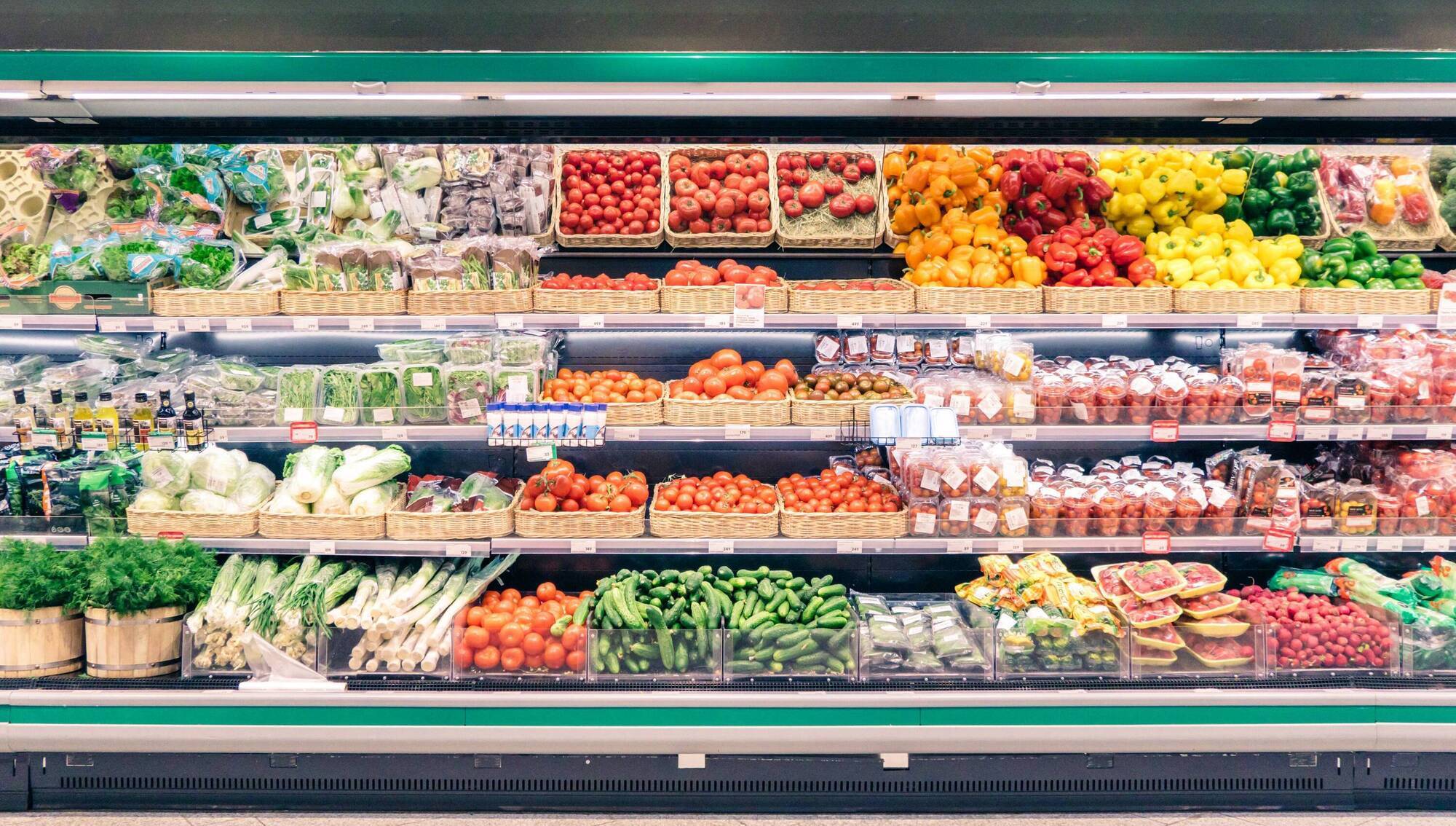
Pressures from costs of materials, competitiveness and constrictions due to Government policies are all playing a role in the challenges for Irish food and drink
Cost and competitiveness the main challenges for Irish food and drink sector

The FDI says cost pressures and market competitiveness weigh down the Irish food and drink sector.

Cost and competitiveness are the main challenges for Irish food and drink, says Food Drink Ireland (FDI), following its Budget 2026 submission.

The FDI, an Ibec group representing the food and drink sector, published a budget submission to help the sector build resilience against increased costs, ongoing trade and supply disruptions and wider competitiveness pressures.

FDI director Paul Kelly, said: “Cost pressures weigh heavily on the sector. The most widely expected cost increases are in the areas of wage growth, investment in sustainability, cost of raw materials, investment in digitalisation and cost of transport. 

"Our members see the largest business challenge as the cost of labour, followed by the cost of raw materials and the cost of transport.

“Many of these pressures are heavily influenced by Government policy in Ireland and it is critical that budget policy can support the sector in addressing its competitiveness challenges and harness opportunities for further growth, particularly within the context volatile trading environment.” 

There are seven main aims of FDI’s recommendations included as part of its budget submission. The FDI recommend introducing State aid support to transition operations to lower-carbon technologies or investing to grow their markets. 

The FDI wants the Government to minimise the impact of utility costs by subventing the fixed cost component on energy bills, and absorbing the non-domestic water tariff increase for 2025/26, and to use the PRSI system to help offset the growing labour costs.

The organisation also proposes support for upskilling of people within food businesses by introducing a National Training Fund voucher scheme and providing an additional €15m to Skillnet Ireland to help meet current demand and expand the reach of existing networks. 

In addition, it proposes maximising the impact of the research and development tax credit and expanding the scheme to include incremental innovation in the food sector, process innovation, AI (Artificial Intelligence), and green technologies.

The last main aim is to introduce a State-supported export credit insurance scheme.

FDI said the budget submission also made several recommendations to support the continuing sustainability journey of the sector.

More in this section

Farming

Newsletter

Stay ahead of the season. Sign up for insights, expert advice and stories shaping Irish agriculture.

Cookie Policy Privacy Policy Brand Safety FAQ Help Contact Us Terms and Conditions

© Examiner Echo Group Limited