Thirty eight large-scale illegal peat operations currently in operation across Ireland
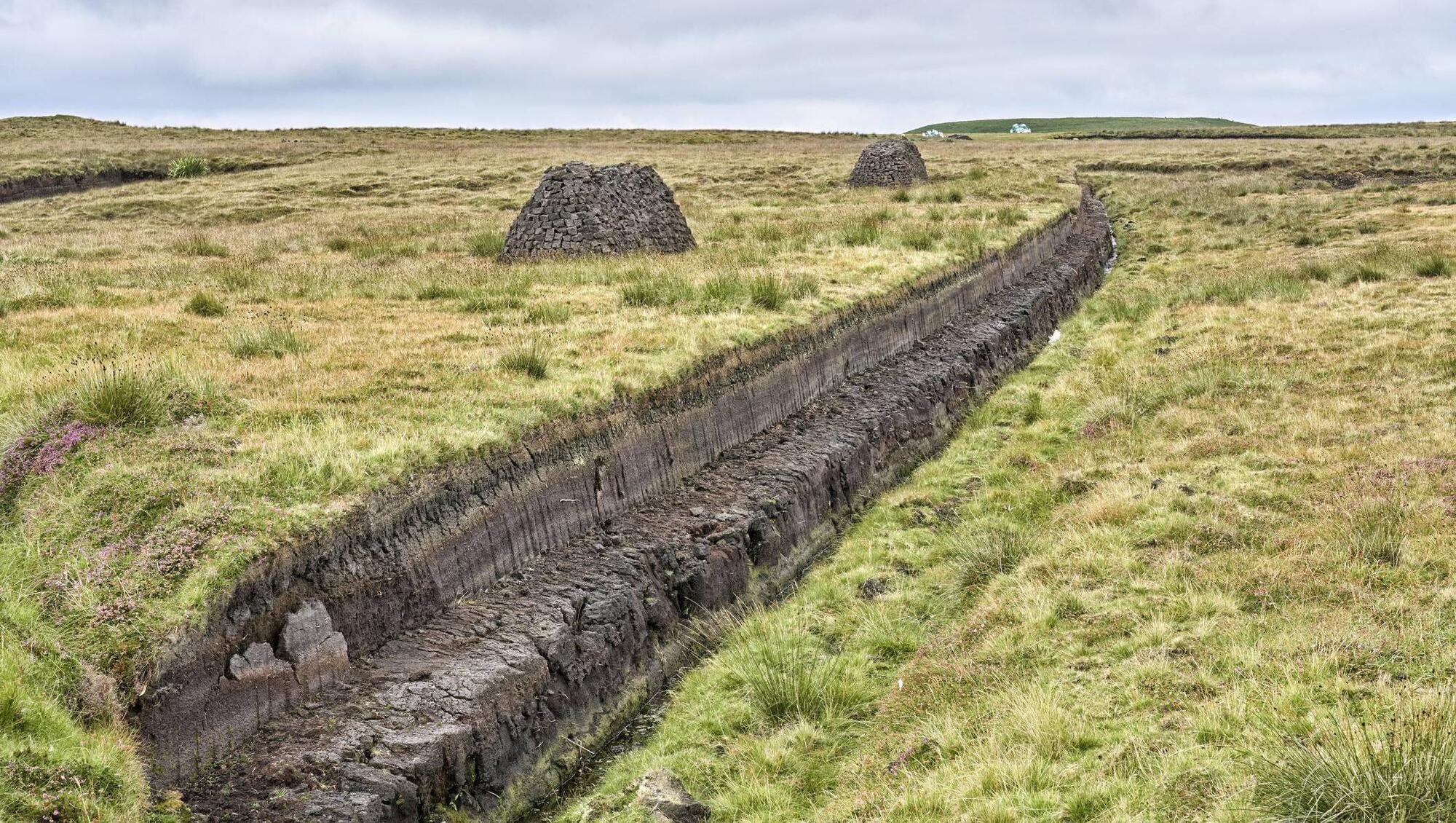
Report notes appropriate regulation of peat harvesting can provide important protections for the environment.
There are 38 large-scale peat extraction sites illegally in operation, according to a new report published by the Environmental Protection Agency (EPA).
The investigation identified 38 sites across seven counties — Offaly, Kildare, Tipperary, Westmeath, Roscommon, Longford and Sligo — where it was discovered peat extractions were being carried out without the necessary authorisations from the local authorities.
From the investigated counties, Offaly had the most illegal sites, with nine, second came Westmeath with eight, tied in third were Tipperary and Roscommon, with six illegal sites apiece, fourth was also tied between Longford and Kildare, with four sites each, and the remaining county, Sligo, only had one.
The EPA has deployed significant resources to carry out 170 enforcement inspections between 2021 and 2024. The agency has also taken legal actions at district and High Court levels against operations on areas greater than 50ha.
These legal actions have resulted in the termination of illegal peat extractions on several peatlands in recent years, and more remain live before the courts.
Local authorities have primary responsibility for regulating all commercial peat extractions, particularly regarding compliance with environmental legislation, including the performance of Environmental Impact Assessments (EIA), Appropriate Assessments (AA) associated with protected habitats and the granting or otherwise of necessary planning permissions for those activities.
For peat extraction from a site greater than 50ha, the extraction needs an Integrated Pollution Control (IPC) licence from the EPA as well as planning permission from the relevant local authority. An EIA and AA are also required if the extraction of peat from the area could have a significant impact on the protected area.
For a peat extraction between 30ha to 50ha or sites less than 30ha, planning permission from the relevant local authority and EIA and AA are also required for approval of a site.
The EPA said the local authorities' enforcement performance in this area was patently inadequate. The EPA is directing local authorities to take appropriate enforcement action against these illegal operations in their jurisdictions.
The agency plans to continue to use its powers to ensure local authorities fully implement and enforce the environmental requirements regarding large-scale commercial peat extraction.
The EPA has the power to take enforcement action on those operating peat extraction activities that exceed this threshold but have not obtained a licence. Additionally, it also has a specific role, under Section 63 of the EPA Act, to supervise the performance by local authorities of their statutory duties to protect the environment.
The report notes appropriate regulation of peat harvesting can provide important protections for the environment. Bord Na Móna has lawfully operated nine different peatland complexes across 11 counties under licence from the EPA until 2020, when these operations ceased.
Now, by their licence conditions and with the support of the Peatlands Climate Action Scheme, Bord na Móna is engaged in the rehabilitation of those peatlands, with almost 19,000 hectares rehabilitated by the end of 2024.
Commenting on the report, Dr Tom Ryan, director of the EPA Office of Environmental Enforcement, said: “Operators engaged in unauthorised peat harvesting activities are in flagrant violation of environmental law. They are destroying our precious natural environments, and this needs to stop.
"It results in the destruction of vital ecosystems for biodiversity, the loss of important carbon sinks for our efforts on climate change and the decimation of an irreplaceable cultural and scientific amenity and resource. Local authorities have been conspicuous in their lack of enforcement of environmental law.
"They need to step up to meet their legal obligations as regulatory authorities, prioritise their resources and use the ample enforcement powers at their disposal to bring these illegal activities to an end and to protect our environment.”