Paula Hynes: Your health is you wealth, and it all starts with nutrition
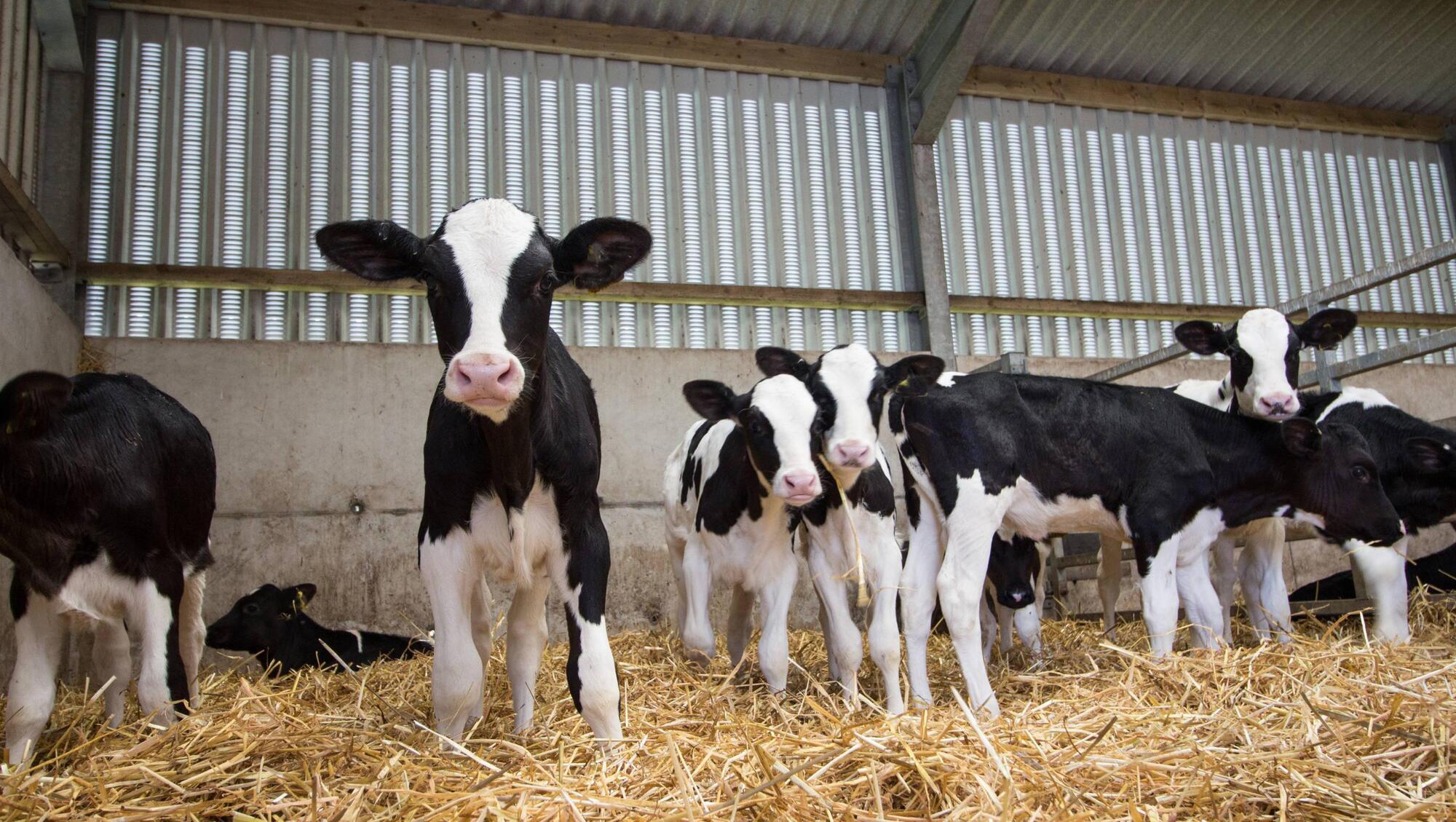
Managing cows to perform well is one thing, managing calves to perform well and fulfil their genetic potential is a whole other challenge. File picture
As the saying goes, your health is your wealth, and when it comes to dairy farming, I have found nutrition plays such a huge part in the health of the dairy herd.
The changing weather patterns over the last number of years and challenging spring weather led us to adjust our system where we still focus on grazing the dairy herd while balancing performance and nutrition.
In simple terms, the plan has been to graze cows once a day, allowing for slightly bigger allocations in order to do less damage to paddocks in wet weather, and then feed a total mixed ration (TMR) diet at nighttime, with the cows housed. The TMR diet consists of straw, grass silage, maize silage and sugar beet.
Freshly calved cows need a good fibre intake to ensure rumen fill and lessen the chance of displaced abdomen, but, more importantly, a cow is in negative energy balance for the first six weeks post-calving — she is simply burning more energy producing milk than the energy she can consume until such time as she can reach maximum feed intake.
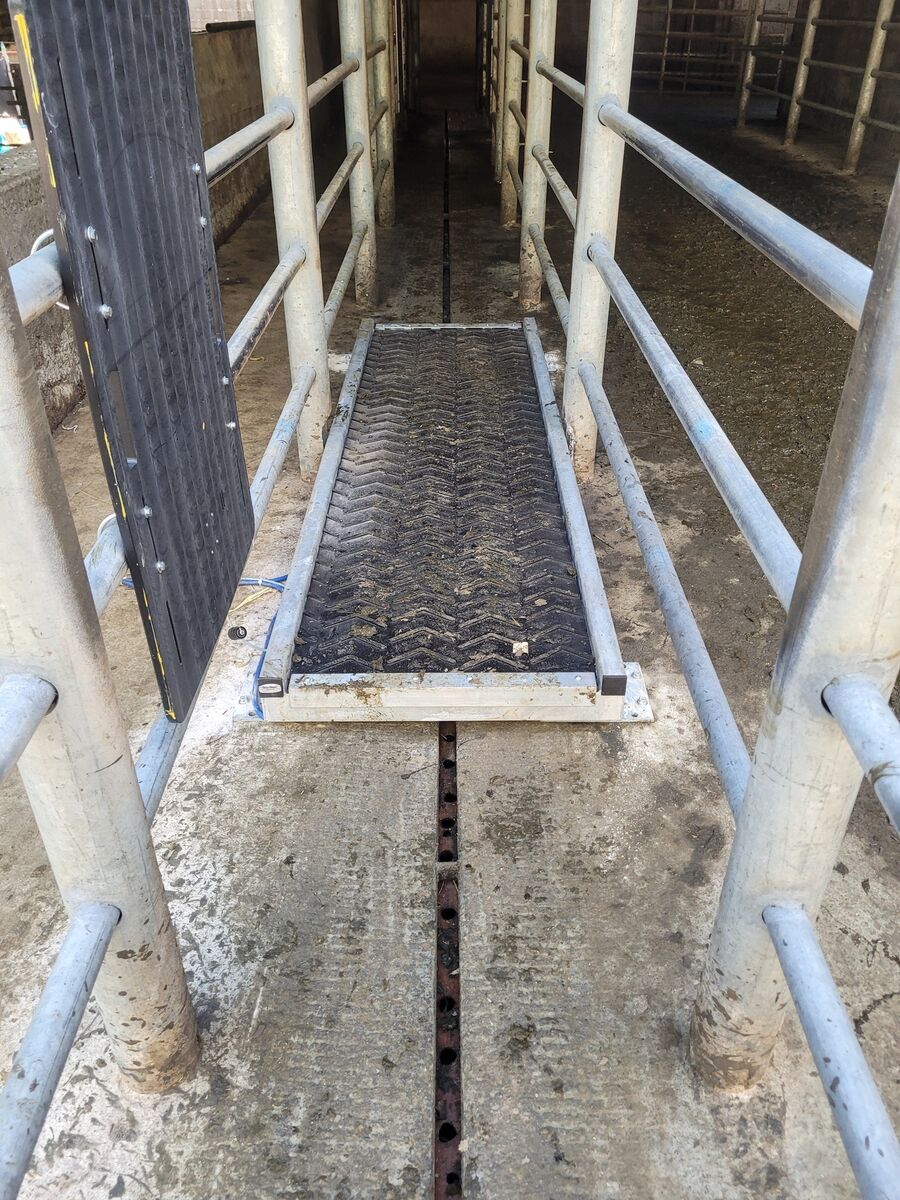
A cow can comfortably lose 200g of weight a day without having an impact on her lactation. We recently got a call from our nutritionist Bill Ryan to say the cows must be really flying on milk as the fresh calvers were only losing 30g of weight on average. Bill has access to the computer software that manages the Datamars walk-over weighing system on our farm. It is a super piece of kit which weighs every cow twice daily after milking.
Bill was bang on the money, as the cows have been milking superbly and are 20% up on milk for the whole month of February.
Of course, feeding comes at a cost, but those costs are easily justified in performance on milk yield, especially when we are milking fewer cows now and have increased yield.
We also use Terra Minerals liquid minerals so dry cow minerals and also post-calving minerals are managed through a dosing system in the cows' drinking water. Terra is able to adjust the levels of minerals remotely and from the cow's perspective, the crucial thing is we haven’t had a single case of a retained afterbirth or milk fever.
Managing cows to perform well is one thing, managing calves to perform well and fulfil their genetic potential is a whole other challenge. I always feel you can make or break a great cow in the first few months of life.
There are so many challenges with rearing young calves — you think placing a huge emphasis on colostrum and clean calf pens ticks all the boxes and yet the calf still gets a dose of scour.
We feed transition milk for five days and then move the calf onto milk replacer. We have been feeding ProMax Gold milk replacer for a few years now: it mimics transition milk, is designed to boost the calves' immune system, it is a 100% dairy protein milk replacer, 24% protein and 20% fat and also contains Proviox 50, which has an antioxidant effect.
We also feed Precision Microbes to every calf at the rate of 30ml per calf per day to manage the calves' gut bacteria — we have found the cost of it is easily covered by needing less veterinary intervention and also improved performance from a healthier calf.
One issue which arose lately was that one shed of calves went off form — some calves stopped drinking and some were showing signs of scour. The only difference between calf sheds was the group of calves we were having trouble with were being fed whole milk, as we simply had too much transition milk at the time and didn’t want to waste it.
We switched that group of calves to milk replacer straightaway and within a couple of days all the calves were back on form and have been thriving since. Calves thrive on nutrition being constant — the fat and protein levels of the transition whole milk were fluctuating daily, where with milk replacer, the levels are constant, likewise with the milk replacer designed to drive the immune system and Precision Microbes designed to keep a healthy gut, I feel the two products are working together.
While a lot of our beef calves have moved onto their new homes now, the workload is reducing but the focus is still on ensuring our replacement heifers are the best they can be. We feed eight litres of milk replacer a day, and calves have constant access to fresh water and calf ration.
We feed top-quality straw to all the heifers but have found offering a little hay to the younger heifers encourages them to start using the hay racks before we switch them to straw.
Previously, we weaned calves of milk when they had doubled their birth weight and were consuming over 1kg of calf ration, but looking back I think we had set our sights too low and we now feed milk replacer of 10 to 12 weeks and easily see calves consuming 3kg of calf ration a day at that stage, and once weaned of milk they are being fed at least 4kg of ration a day and easily be eating 5kg or 6kg of ration by five months of age.
Replacement heifers are a big cost, but poorly grown heifers are an even bigger cost as they simply won’t perform in the parlour. Genetics are the key to life, the key to potentially great cows, however, nutrition is the key to unlocking the genetic potential of those cows.