Brian Reidy: Fresh cows — driving intakes for optimum performance
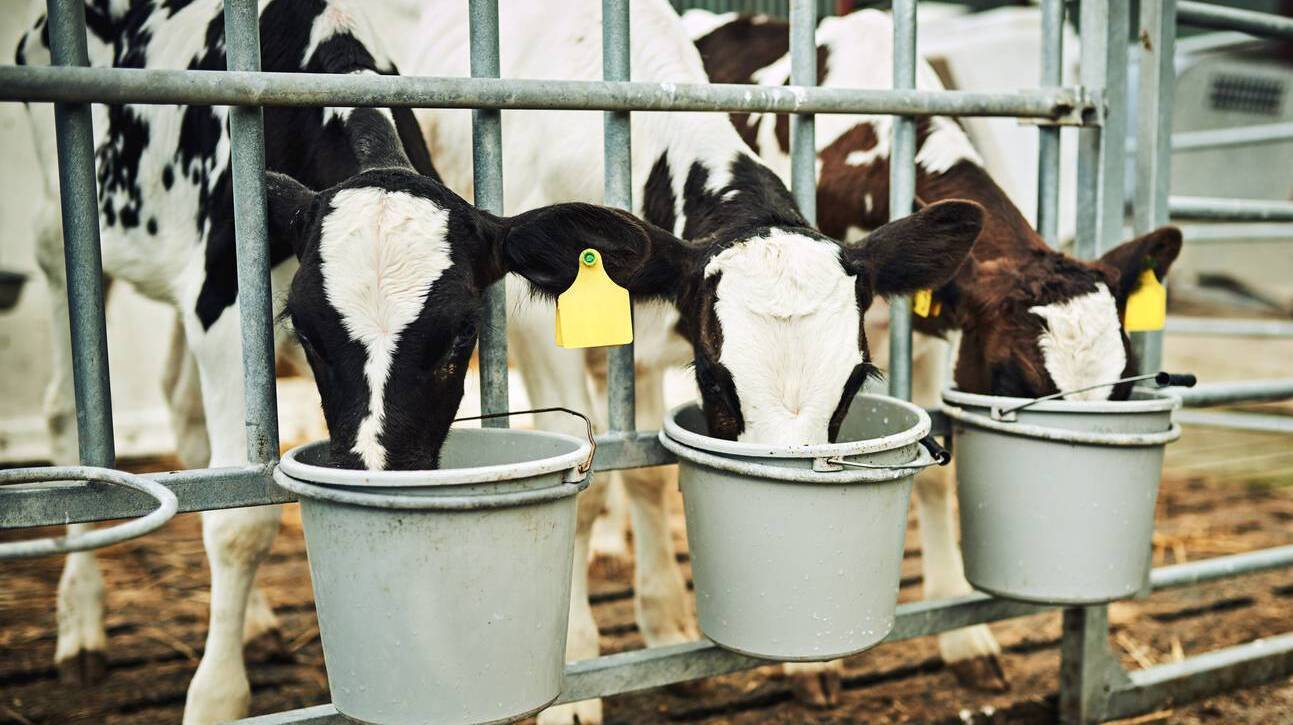
A feeding and management strategy which will help boost intakes immediately post-calving should be a high priority.

Recently, I covered the management of the dry cow and how preparing cows for their lactation will deliver a more profitable result from a healthy animal that transitions into early lactation.
It cannot be emphasised enough: how dry matter intakes need to be driven to deliver sufficient energy for their requirements based on their stage of gestation and preparation for the subsequent lactation. Drive intake pre-calving and reap the benefits for the whole lactation.
Aiming to achieve peak feed intake post-calving starts with proper care during the dry period and continues with accurate and targeted nutrition after the cow has calved.
This peak intake in a spring calver will have to be achieved with predominantly grazed grass and I believe all dairy producers understand driving intakes will drive performance, but nonetheless, achieving this can be easier said than done.
A feeding and management strategy which will help boost intakes immediately post-calving should be a high priority. The days immediately post-calving are critical. Where possible, a maternity group, where fresh cows and heifers move into for a few days after calving will allow you to monitor health and intakes.
The duration of their stay in this group will obviously depend on space available and the health of individuals in the days post-calving. During this time, feeding a high-quality forage-based diet will encourage feed intake in fresh cows.
Maintaining fresh-cow dry matter intake is key to keeping your fresh cows healthy and productive during their entire lactation. Once a cow has calved down, cleaned and got up and running in the milking parlour, then attention turns firstly to getting the yields she is genetically capable of. The aim must be to produce milk with optimum milk quality as cost effectively as possible, while also aiming to get her back in calf again.
Getting the balance right between energy, fibre and protein is extremely important for freshly calved cows. After calving, a cow's energy needs to increase daily with the onset of milk production. Bearing in mind the stress of calving causes her to reduce feed intake — thereby reducing the amount of energy she consumes — and that plunges her system into an inevitable negative-energy balance.
To reduce the level of the negative energy deficit, aim for a high-energy density diet per kilo of dry matter during the first two to three weeks post-calving.
While cows remain indoors, it is important you have established the best quality silage in the yard for them. Some may have maize silage, whole crop or beet in the diet, and these ingredients are ideal in early lactation to boost total dry matter intake and optimise energy intakes.
The more intake you can achieve on a full indoor diet, the more cows can consume when they eventually head to grass when weather and ground conditions allow.
Silage quality in early lactation is a major driver of intake and performance. You can help your cows consume more nutrients by feeding only the highest-quality silage in the yard to your fresh cows. Top-quality silages contain a higher energy content than low-quality ones.
Protein is a very important component of a fresh cow's diet. Don’t lower protein to save money as this will have a negative effect on cow performance and depress intakes. Keeping the protein level low initially so as to not cause cows to milk too hard early in lactation and compromise on body condition is one strategy.
Care needs to be taken with this approach, as protein is critical to encourage fresh-cow intakes and pitching diets too low will depress intakes. Grass silages made in 2024, like many recent years, are low in protein — with many in the 9-11% range — and as a result, a concentrate to balance this forage will need to be 20% to balance it correctly before cows are turned out to grass.
Pay attention to the ingredients included in any concentrate you feed to early lactation cows. It should include top-quality cereals, digestible fibres and quality protein sources. Include a top-quality mineral and vitamin pack which will aid recovery post-calving, boost the immune system and help subsequent fertility performance.
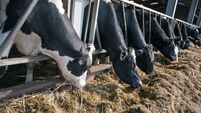
A big influences on fresh-cow intake is your feeding management. How often are you feeding? Is it ad-lib silage plus parlour feeding or is it a diet feeder system? Pit management is very important, as the better you look after the pit face, the fresher the feed you offer to your cows each day.
This applies to feed, water and also to accessing cubicles. Clean water is so important when encouraging feed intake. Cows that drink clean water, drink more water and as a result they will eat more food.
Dairy cows are at their most productive when they are lying down and chewing the cud. With this in mind, a critical part of your feeding management must include a clean dry cubicle for every cow with a few spare spaces ideally.
More cows than cubicles is a recipe for disaster and must be avoided if you are serious about animal performance. A cow must chew the cud for about 30 minutes for every kilo of dry matter consumed, so every minute counts.
Space at the feed barrier is also critical, as is the design and construction of the feed barrier. What type of barriers suits your system? If you diet feed, then you need less barrier space than if you are top dressing with some concentrates.
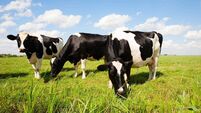
When conditions do allow grazing, aim to introduce cows gradually to their new feed ingredient. Offer grass for a few hours in the middle of the day for a few days before considering grazing between morning and evening milking.
It takes a ruminant 21 days to get used to a new diet so getting the transition to grazing right will have a positive effect on body condition, milk yield, milk solids and subsequent fertility performance.
It is important to look at cow performance in tandem with your grazing plan, as if you push too hard to achieve grazing targets, the cow may suffer.