Hazell Mullins: Pneumonia vaccine planning - timing is everything
The start of September is my reminder that the vaccine course needs to be started.
Please don’t judge me, and I may be the only vet in the last 50-plus years to admit to this, but I have never read James Harriot's books. However, I am hooked on the new series that has launched on Netflix over the past month, to the point where I nearly ordered my very own tweed suit.
I have such fond, vivid memories of watching the original TV series in the mornings when my Granny used to make breakfast, a fry-up and James Harriot. What more could you ask for? Despite me not ever reading the books like the majority of my colleagues, it was the time spent watching 'All Creatures Great and Small' with my granny that perhaps helped steer me towards my now veterinary career.

I visited Thirsk in Yorkshire once, and yes, there is a James Harriot museum; it’s well worth a visit if you're ever in the area. I also saw practice as a student vet in the neighbouring town of Ripon, where I accompanied the vets across the dales and the moors as the vets drove to their clients.
Unlike the Harriot days, the farms were now mostly impressive progressive dairy farms, but the farmers still greeted you with their smooth Yorkshire tones. “Ahey up” was a particular favourite of mine, or “ the cow’s up yard”. I always say to my students in the car that if they get the chance to go experience Vetting in Yorkshire, it's like being in an episode of the show.
It’s fascinating how far veterinary medicine has come in the last almost 100 years. They had minimal antibiotics available to them, one that they mention is Prontosil a type of sulphasomidine which was one of the first antibiotics discovered in 1935.
In one episode, a shorthorn cow called 'Strawberry' was treated for a pharyngeal abscess, and you could sense James' concern about her prognosis. Today's luxury of the choice of antibiotics just did not exist. It reminds me how lucky we are to have access to this choice of antibiotics and also how we have to safeguard their function into the future for the next generation of vets to use in another 100 years.
Unlike in the 1930s, farms in Yorkshire, like in Ireland, are implementing excellent vaccination programs to prevent the need for the use of antibiotics on the farm.
There was no mention of vaccines in the new series; however, I have a feeling that James Harriot would have been an advocator of herd health and disease prevention if they had been available.
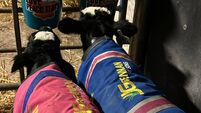
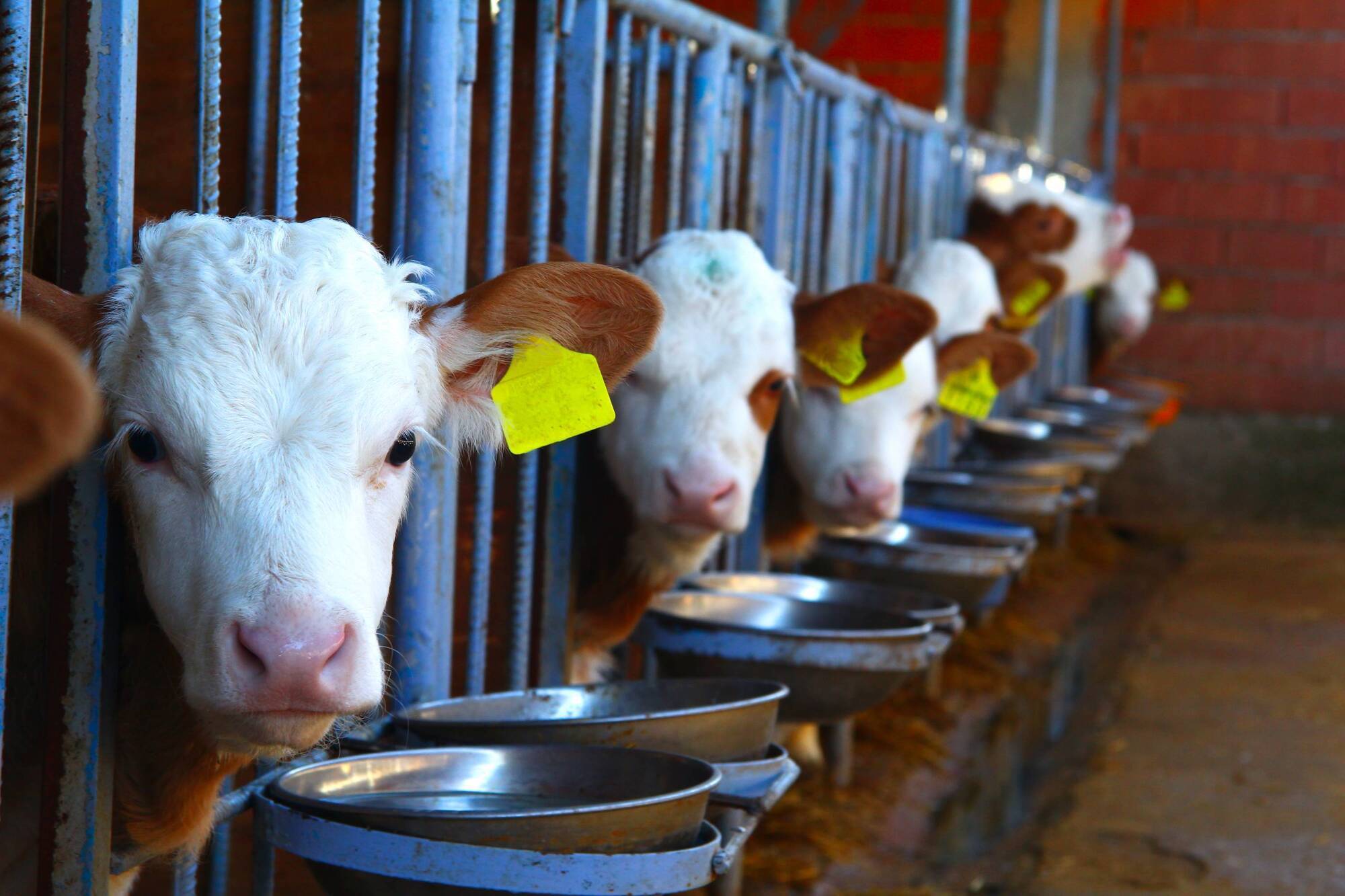
The start of September is my reminder that their vaccine course needs to be started as we vaccinate using a dead vaccine that needs six weeks in total to complete the course. The first dose is followed by a booster injection three to four weeks later, depending on the vaccine.
It will cover both viral and bacterial causes of pneumonia, RSV, PI3 and Mannheimia haemolytica (Previously Pasteurella). We vaccinate all animals on the farm for IBR twice a year, so the weanlings had their first dose at the beginning of July when the cows were in for their booster. Some of the pneumonia vaccines can be given with IBR on the same day under veterinary advice.
There are ways of knowing what pathogens need to be targeted by the vaccine, I know it’s the drum I am always beating, diagnostics, diagnostics, diagnostics. Your vet can take swabs from newly infected animals when they have a clear nasal discharge is the optimal time to test. Blood work can be done on young animals for antibody levels; however, it may need to be repeated to show a pattern of infection.
Bulk milk samples can be a useful screening aid for IBR in particular and can show trends of infection on the farm. Perhaps the most forgotten type of diagnostic tool we have at our disposal is the service the Regional Veterinary Labs (RVL) provide with post-mortem diagnostics. It is always a bad day on the farm when an animal dies but it is so important to get answers from these animals in the RVL to prevent the situation from escalating.
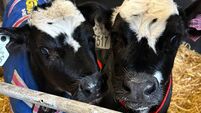
It's important to discuss with your vet the risks on your farm for pneumonia and which vaccine protocol suits you best. A vaccine plan for my dairy beef weanlings may look very different to the farmer who is buying weanlings in the next few months.
Housing may seem a distant reality, but I am still haunted by the early onset of winter last year in mid-October. It’s important to talk about a pneumonia vaccination plan with your vet; timing is everything.
I highly recommend taking the time to find 'All Creatures, great and Small' on Netflix this weekend and be transformed back to a simpler time. I have a busy week of pregnancy scanning ahead, it’s that time of year again.
- Hazell Mullins BVM BVS, is a large animal vet based in Carrignavar, Co Cork.