Hazell Mullins: Equine parasite resistance — it's not just confined to cattle and sheep
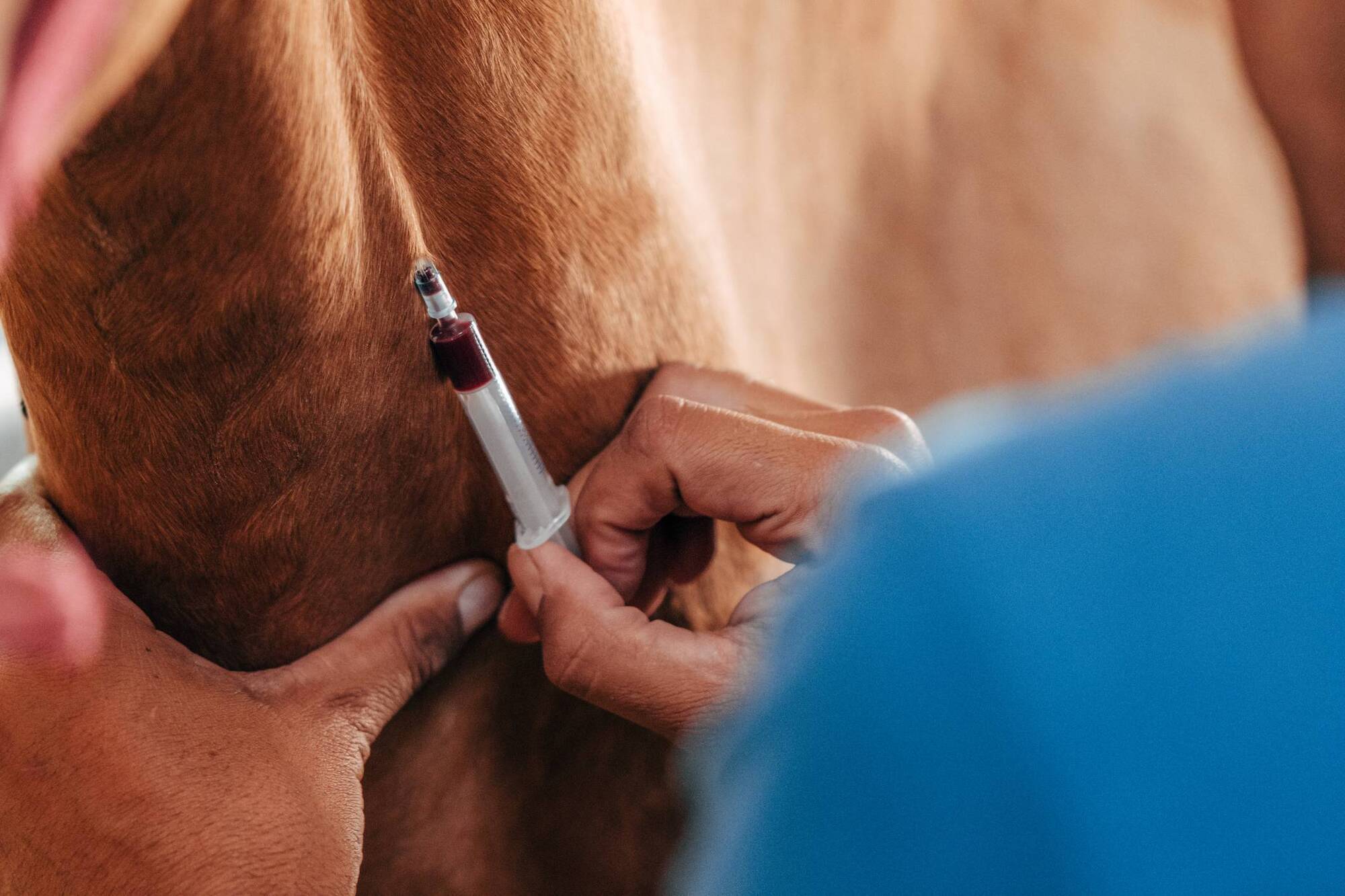
There were 110 thoroughbred yearlings in total tested using a faecal egg count reduction test 14 days post-treatment, resulting in the 59 Irish yearlings in the group having a level of resistance to ivermectin. Pic: iStock
Another year, another Dublin Horse Show sadly over and out. It’s an annual tradition of mine at this stage to go with my friend Orla Myers. I begin to count strides to jumps and comment on horses having “ lots of scope” as they cruise over 1.5m jumps.
Watching the Nations Cup was a show highlight for me where Team Ireland were narrowly runners up to an impressive Team USA. Every year I leave the show looking up DoneDeal ads and wondering, “Why don’t I have a horse”? The reality hits when I come home but perhaps someday in the future, the farm will have a horse on it again.

Every year, I am amazed at the number of farmers I meet at the Dublin Horse Show, but I shouldn’t be surprised as it’s part of our heritage to have horses on the farm long before the John Deeres and Massey Fergusons made an appearance.
We still find horse huge shire horseshoes around the farm from time to time and love to hang them on the doorways on the farm as a sign of appreciation for all they did for us. Those iron pieces of history were once the equivalent of tractor tyres in modern-day farming. Perhaps without the past generation of farmers knowing it or not, horses were beneficial to co-graze with other livestock regarding parasite control.
Cattle, sheep and horses all have specific worms that cause issues, and when you co-graze, these species' worm burdens are diluted. For example, a horse will still consume cattle ostertagia eggs on pasture but these worms will not establish and reproduce to cause disease in the horse. Due to the lack of cattle worm reproduction in the horse's intestines, the lifecycle is now halted.
Follow-on grazing is an alternative to co-grazing, where one species follows another that 'Hoovers' up the eggs or larvae of the first species on the pasture.
Other ways to reduce egg burdens are to clean paddocks regularly, composting dung and rotational grazing can help all help but due to our parasite-friendly climate, these have its limitations.
A French study in 2019 showed horses grazed with cows had reduced egg counts by up to 50% due to the dilution effects of the ruminants eating the equine worm eggs. Horses also graze differently from cattle and sheep due to the simple fact they have upper incisors which will help with reducing the habitat for worm eggs.
When it comes to ascarid (roundworms), especially in foals and younger horses, co-grazing with sheep is particularly useful for lowering burdens. It is the larval stage of the parasite that can cause issues in young horses, including weight loss, lethargy and potentially intestinal obstruction. In this case, false negative facial egg samples can be a result of the larval involvement without adult reproducing eggs.
Speaking of faecal egg sampling, it is vital to approach worming horses like you would any other livestock species on a farm. Faecal egg samples are key to developing a diagnostic picture for the horses on your farm. Faecal worm egg counts are best interpreted by your veterinarian it is not as easy as “treat or don’t treat” based on worm egg counts alone
Research into anti-parasitic resistance in the horse population in Ireland is ongoing and globally the evidence is vast for multi-drug resistance across species of parasites. Crucially, a 2020 case report by Neilsen et al, demonstrated both ivermectin resistance in thoroughbred yearlings on a stud in the USA that was imported from Ireland.
There were 110 thoroughbred yearlings in total tested using a faecal egg count reduction test 14 days post-treatment, resulting in the 59 Irish yearlings in the group having a level of resistance to ivermectin. This report is extremely worrying as it highlights the ability of resistant genes to move across oceans that originated in Ireland.
Similar to cattle and sheep, there are minimal classes of equine anti-parasitic drugs available, therefore prudent prescribing is vital to protect their efficacy for the future. For this reason, consulting with your vet before dosing is crucial as they will know the worm risk factors for your farm such as age, land quality, stocking density, and also any underlying illness that may make a horse more susceptible to parasites.
If the doses we have for horses become less effective, it will mean conditions like cyathostomins (encysted red worms) will not be as treatable, leading to increased use of antibiotics and deaths, a move in the wrong direction for public health and animal welfare. The science is there to warn us that dosing practices need to change to have horses as part of our future in Ireland
Tommy Heffernan (Tommy the Vet) was at the show and it is fantastic to see "precision microbes" making waves in the equine world. Gut health in veterinary medicine is an ever-evolving research area and like humans, it is linked to numerous other body systems.
The testimonials from friends of mine with horses are so positive about the overall improvement in their horse's health using precision. I met a couple of equine vets from the Irish Equine Veterinary Association on the stand also on Friday and had some insightful conversations about their concerns about equine parasitic resistance in Ireland and the importance of clinical vets' knowledge of the horse before prescribing.
Until the horse fever hits me again next August, I will be dreaming of having my own little horse-shaped parasite hoover someday. I am back in Mitchelstown next week when scanning season begins and my shoulder muscles will be put to the test.