Are worms winning the 'Parasite Olympics' — The science behind the race to resistance
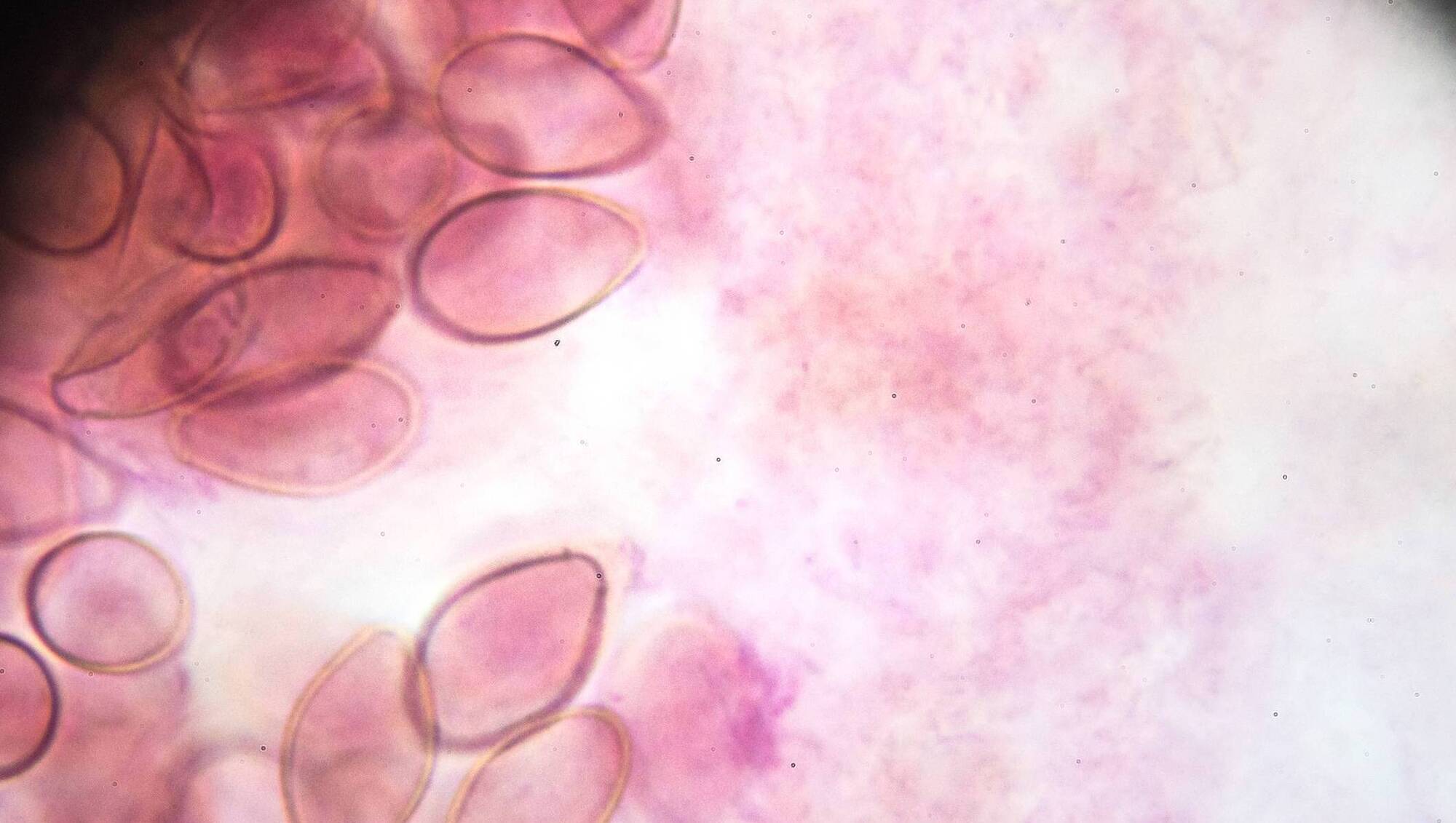
Liver fluke is living its best life this summer, trying to outsmart the drugs we use to treat it by creating resistant genes. Picture: iStock.
There is a reason behind my madness with my parasite-themed articles of late, and that is that Ireland is a parasite's version of the Maldives — a tropical paradise for multiplication.
While we may complain about the wet, mild summers, the parasites are living their best lives trying to outsmart the drugs we use to treat them by creating resistant genes that spread like a virus through a creche in September.

As I mentioned last week, Ireland got a derogation from previous EU medicines laws due to lack of evidence that resistance was present in Ireland. Sadly, this is no longer a reality.
A paper published in 2014 to establish levels of resistance on Irish sheep farms showed 49% of over 1,300 treatments were considered ineffective.
In a 2020 paper, anthelmintic resistance was widespread on 23 sampled dairy calf-to-beef farms in Ireland — with resistance to benzimidazole, levamisole, ivermectin, and moxidectin detected.
I attended a webinar called “The worms are winning”, a very timely title considering the coverage of Paris 2024 and the evidence that Ireland is out in front in the race for anti-parasitic resistance to take over our worm population.
The webinar was held by Micron-Agri, an innovative Irish company that created an in-house faecal egg testing equipment to use in practice and is in use across Ireland.
Inventions like this have made in-house faecal egg sampling in order to diagnosis disease and create a tailored parasite plan.
Advancements in technology have made proper diagnosing very accessible. For the relatively small initial cost of a faecal test, it may result in hundreds of euro saved on unnecessary dosing products.
When submitting samples to your vet for analysis, it is important to take them correctly and from the correct cohort of animals. Fresh samples are key to all tests as the eggs can hatch, giving a false negative reading — as those eggs are now larvae that are not counted.
In very watery scour samples, the number of eggs can be diluted due to water volume again giving a false negative result.
Why not think of doing a “drench test” to check the level of resistance on your farm if you are taking the first sample anyway pre-dosing and see if it results in a dose required.
It would only require one more sample from the same animals post-dosing 14 days later or seven days in the case of levamisole dose.
If there is not a reduction of over 95% of the eggs in the second test, it means there is resistance on your farm to that drug. In the 2014 study, 70% of the sheep farms tested in Ireland had resistance to white drenches — a frightening statistic.
Bulk milk testing is another tool we use to determine the need for dosing for parasites such as liver fluke and ostertagia — a common stomach worm.
We have our milk tested four times a year, and it is a super way of screening for disease in our cows on the farm. When it comes to parasites, we need to be careful not to over-diagnose stomach worm infections in adult animals.
Bulk milk samples are based on antibody levels present in the milk, they tell us about the exposure an animal has to a particular pathogen.
The cows that have acquired natural immunity to ostertagia are able to kill the parasite without the need to dose. If concerned with an ostertagia reading on bulk milk sampling, contact your vet before dosing.
One possible action would be to take faecal samples from the first-calvers before dosing, as the younger cows in herd may not have the same level of immunity as the older cows depending on previous exposure.

The complication with dairy cows with worming comes in the form of the infamous lungworm, which throws us a few curve balls when it comes to lack of immunity and clinical disease.
Diagnosis of parasitic infections are far from straightforward, speak to your vet if you are concerned about ostertagia levels in bulk milk samples or coughing cows at this time of year.
In another Irish study in 2019, researchers confirmed ostertagia resistance in calves on a farm in Kilkenny that were treated with a clear dose of Avermectin.
With dairy cows mid-lactation, Eprinomectin — which is part of the Avermectin family — is our only non-milk withdrawal dose available, and it is vital we protect its efficiency by using it sparingly.
The route of prescribing of these anti-parasitics is crucial, we need to safeguard their functionality to deal with Irelands growing resistance issues.
The worms seem to be in the lead currently in this race against resistance, but let us leave the medals to real athletes competing in Paris 2024 and stop the worms in their tracks with prudent prescribing.
This week, I am looking forward to the joys of a bank holiday on call. Let's hope the animals of Mitchelstown are too busy enjoying watching the Irish do us proud in Paris.
- Hazell Mullins BVM BVS is a large animal vet based in Carrignavar, Cork.