'Significant regulatory hurdles' ahead for beef sector as EU deforestation rules loom
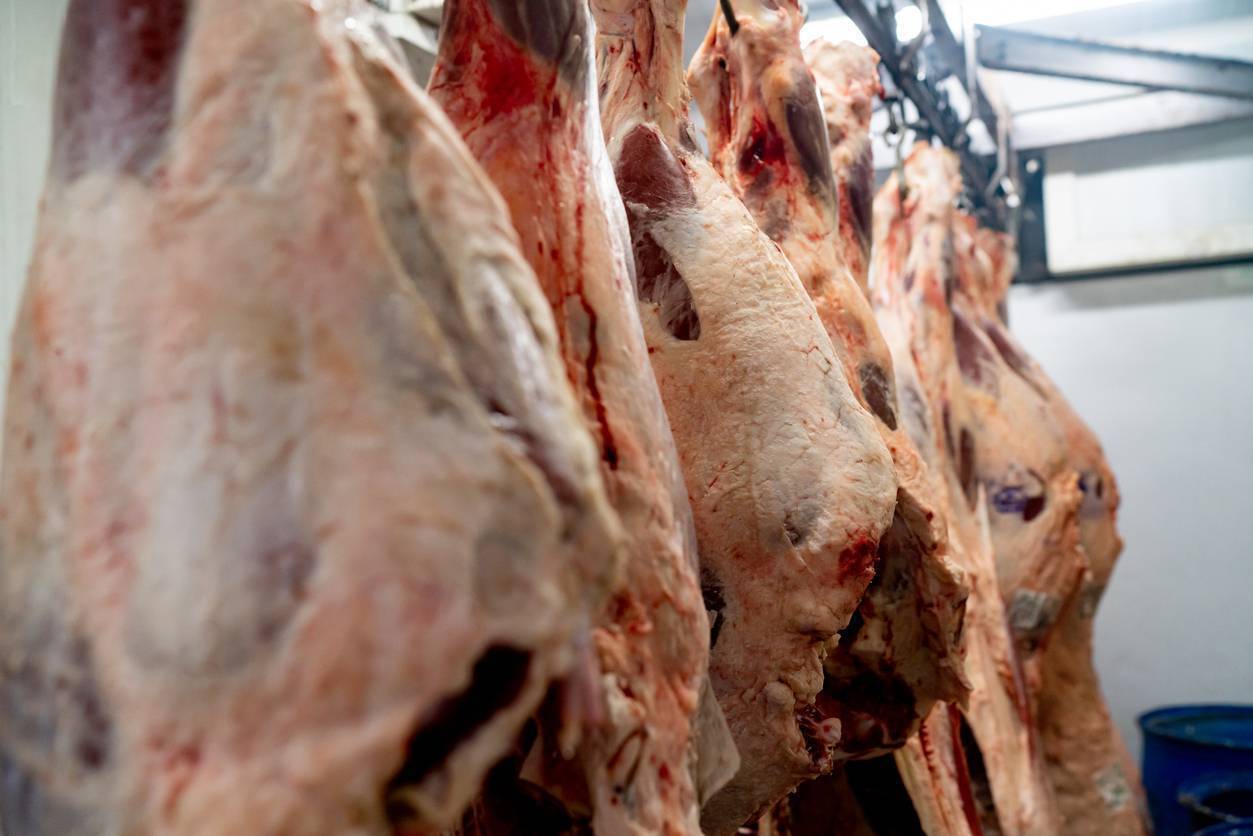
Items such as steaks, minced beef, liver, and canned luncheon meat must now be proven to come from sources that are not contributing to deforestation.
Irish businesses, particularly those in the beef and forestry sectors, are set to encounter significant regulatory hurdles due to the new EU deforestation regulations.
With the potential for severe penalties, the stakes have never been higher for Irish exporters, advisory firm Baker Tilly has warned.
Chief operating officer of Baker Tilly Ireland Vivian Nathan explained that the EU Deforestation Regulation (EUDR), which will take effect on December 30, 2024, is "designed to combat forest degradation by imposing strict compliance obligations on businesses trading in specific goods with the EU".
"For Ireland, this means that companies exporting beef products, wood, and other related commodities will need to demonstrate that their products are ‘deforestation-free.’
"This regulation imposes stringent requirements for Irish businesses, particularly those in the beef and forestry sectors.
"Products like beef and processed beef items and wood products must be certified as 'deforestation-free'.
"This certification means they must not have been produced on land deforested after December 31, 2020. Failure to comply could result in severe penalties, including fines, confiscation of goods, and exclusion from public procurement opportunities."
Mr Nathan said that the impact on Ireland is "significant", due to its strong agricultural and forestry sectors.
"Farmers and businesses involved in beef production, wood processing, and other related industries will need to undertake rigorous due diligence to meet these new standards," he continued.
"This includes gathering geolocation data and other documentation to prove compliance.
“The new regulations represent a significant shift for Irish exporters, especially those in the beef and forestry industries."
Items such as steaks, minced beef, liver, and canned luncheon meat must now be proven to come from sources that are not contributing to deforestation.
Given Ireland’s significant beef export market, this regulation could place additional pressure on farmers and processors to ensure compliance, Baker Tilly said.
Products such as building materials (sheets of wood, laminated wood, wood flooring), wooden packaging (crates, pallets), and wooden household items (tableware, ornaments) must also meet the stringent ‘deforestation-free’ criteria.
Chocolate products, coffee, printed materials (books, brochures, newspapers), and wooden furniture will also fall under the scope of the EUDR. For businesses exporting these goods, the compliance burden will be significant, the firm warned.
The EUDR outlines a range of penalties for non-compliance, including:
- Fines proportional to the environmental damage and value of the commodities, with escalating penalties for repeated offences;
- Confiscation of non-compliant products and revenues from their sale;
- Temporary exclusion from public procurement processes and access to public funding for up to 12 months;
- Prohibition from placing products on the market or exporting them in the event of serious or repeated infringements.
"Businesses, especially those in the beef and forestry sectors, must start preparing now," Vivian Nathan said.
"The first step is understanding the EUDR’s impact on your operations and gathering the necessary data for the due diligence system.
“The EUDR is more than just a regulatory hurdle; it’s a transformative challenge for Irish exporters.
"By taking proactive steps, maintaining clear communication within supply chains, and ensuring all products meet the ‘deforestation-free’ criteria, businesses can safeguard their operations and continue to thrive in the European market.”