The River Seine — a timely reminder for Irish farmers to check water quality
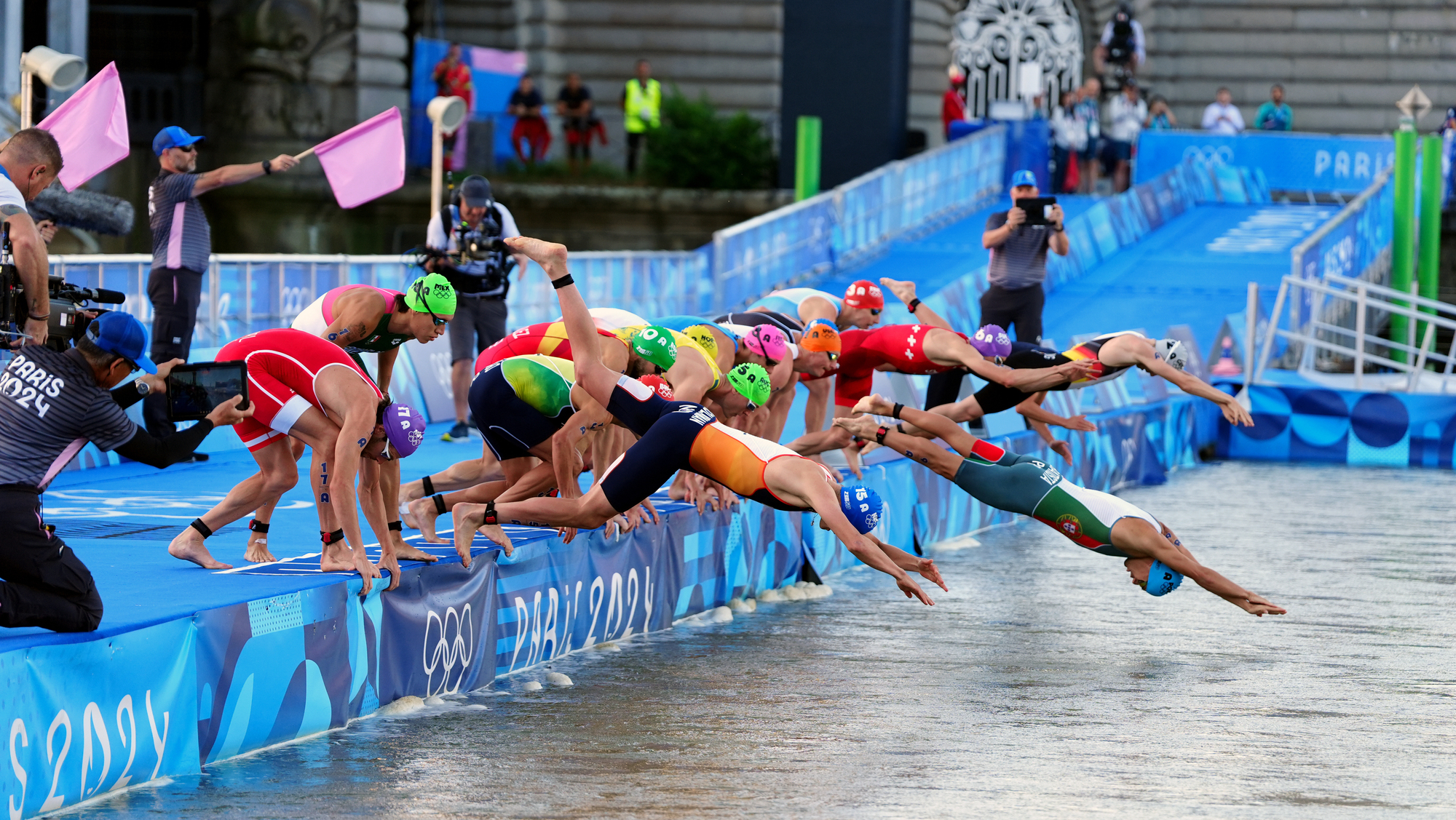
Athletes enter the River Seine at the start of the mixed relay triathlon during the Paris Olympics. I for one won't be going for a swim any time soon there.

This week has been an adjustment back to the days that preceded Paris 2024 — I became heavily invested in this year’s games as I watched everything from diving to breakdancing and loved it all. It helped that Team Ireland was so inspiring and a dream to watch.
I remember visiting Phil Healy’s dad’s farm as a young vet in Bandon and he told me proudly about his talented daughter who was training for the Olympics. Little did I know that eight years later I would be screaming her name at the TV in the final of the women’s 4 x 400m relay, such a proud moment for Irish athletics and such an inspiration for young female athletes.
You never know who you will meet on the farm as a vet and this is why I always advise new graduate vets to find the stories behind each farm if they can, you never know when an Olympian may appear at the side of the crush to help at a TB test.
An interesting saga from Paris 2024 was the controversy over the water quality in the River Seine and the alleged illness it was causing to the athletes. Water can be the forgotten element of livestock nutrition that can have detrimental effects on animal health if not prioritised on the farm.
A substantial amount of money was spent to make the River Seine safe to hold events, could more effort be put into ensuring drinking water on farms is up to standard for livestock also?
Last week, dad decided to replace an old concrete water trough and whilst transferring it back to the farm yard and tipped it onto the roadway outside our gate. The next day I was wondering what all the mess was and was horrified that it had come from the trough that the cows were drinking from.
This trough was situated under trees in the corner of a field and debris was building up over time. It was a wake-up call to examine the rest of the troughs on the farm to make sure they were clean and functioning correctly, especially with the higher temperatures this week.
The amount of water that a cow drinks per day is astonishing; it is governed by the milk yield, stage of pregnancy and dry matter intake. A rough figure would be four litres of water per kg of dry matter consumed which could mean up to 75 litres for a high-producing dairy cow during peak lactation and even more on those rare summer days.
They can also drink up to 20 litres a minute which means the flow of water into the trough is very important. With these high volumes of intakes, it is no wonder that more emphasis is currently on the quality of water cows are drinking.
Bacteria that love to inhabit water troughs include E.coli and campylobacter which love to inhabit the biofilm that coats the inside of drinker lines. Parasites like cryptosporidium are happy to live in pre-existing biofilms and provide a constant source of infection. This is why you hear of cryptosporidium boiled water warnings in parts of Ireland from time to time.
Of course, it is a huge risk to baby calves in sheds as one calf can produce millions of eggs that can enter water troughs and infect the whole group. Cleaning water troughs in sheds is a vital step during those long days of power hosing to make sure the biofilms are removed before the new batch of calves arrive.
A fun fact is that cryptosporidium remains infective for up to six months in water with E.coli surviving for up to a year. For any autumn calving herds, make sure to put water trough hygiene near the top of the list for scour prevention. If crytpo is a historical problem on the farm, talk to your vet about the addition of the newly launched crypto vaccine to your vaccine protocol pre-calving.
Whilst on call over the bank holiday weekend I had a dairy cow with a case of bad scour. She was off her feed with a milk drop and the farmer was concerned it was salmonella. Salmonella is also an infection that could originate from a contaminated water source and has been reported to survive for up to 50 days in water.
The farmer was not vaccinated for salmonella so he was naturally worried that this cow was his first case. She had no temperature, no signs of abortions, she was still bright and her eye was not sunken despite the diarrhoea, so she was staying hydrated. Salmonella was down my list of differentials at this time, however, I took a sample to submit to the lab and it was confirmed not to be salmonella.
A dietary upset was suspected, and the rest of the herd will be monitored for any further signs of scour and more diagnostic tests will be carried out if required. Vaccination programs for salmonella are farm-specific, contact your vet for more information if concerned about your farm's risk.
Recently we got the well water from our new house analysed for peace of mind; we had a feeling iron may be high because we noticed that signature orange staining in the sinks. Our hunch was right, we have high iron levels which in cows means that the excess iron can bind copper leading to a secondary deficiency, especially during pregnancy.
Sulphate levels in water can lead to diarrhoea in cattle, hard water can affect fertility and high chlorine has been linked to poor protein levels in milk. It is well worth getting regular testing performed on the farm's water supply as it could hold the answer to underlying issues on the farm.
We plan on fitting a filter now to our well to try and tackle the high iron levels, I won’t miss that lovely shade of orange. It is a fascinating area of research that is ongoing into the impact that the mineral content of the water could have on our livestock.
I for one won't be going for a swim any time soon in the River Seine, the headlines have brought the topic of water quality to the forefront and is a timely reminder of the importance of clean fresh water for our livestock on farms. There is still the matter of what will we all do without the daily excitement of the Games and the joy the medal winners brought us over the past two weeks.
You won our hearts Team Ireland.