Equine breeders warned to be vigilant for disease after surge in cases
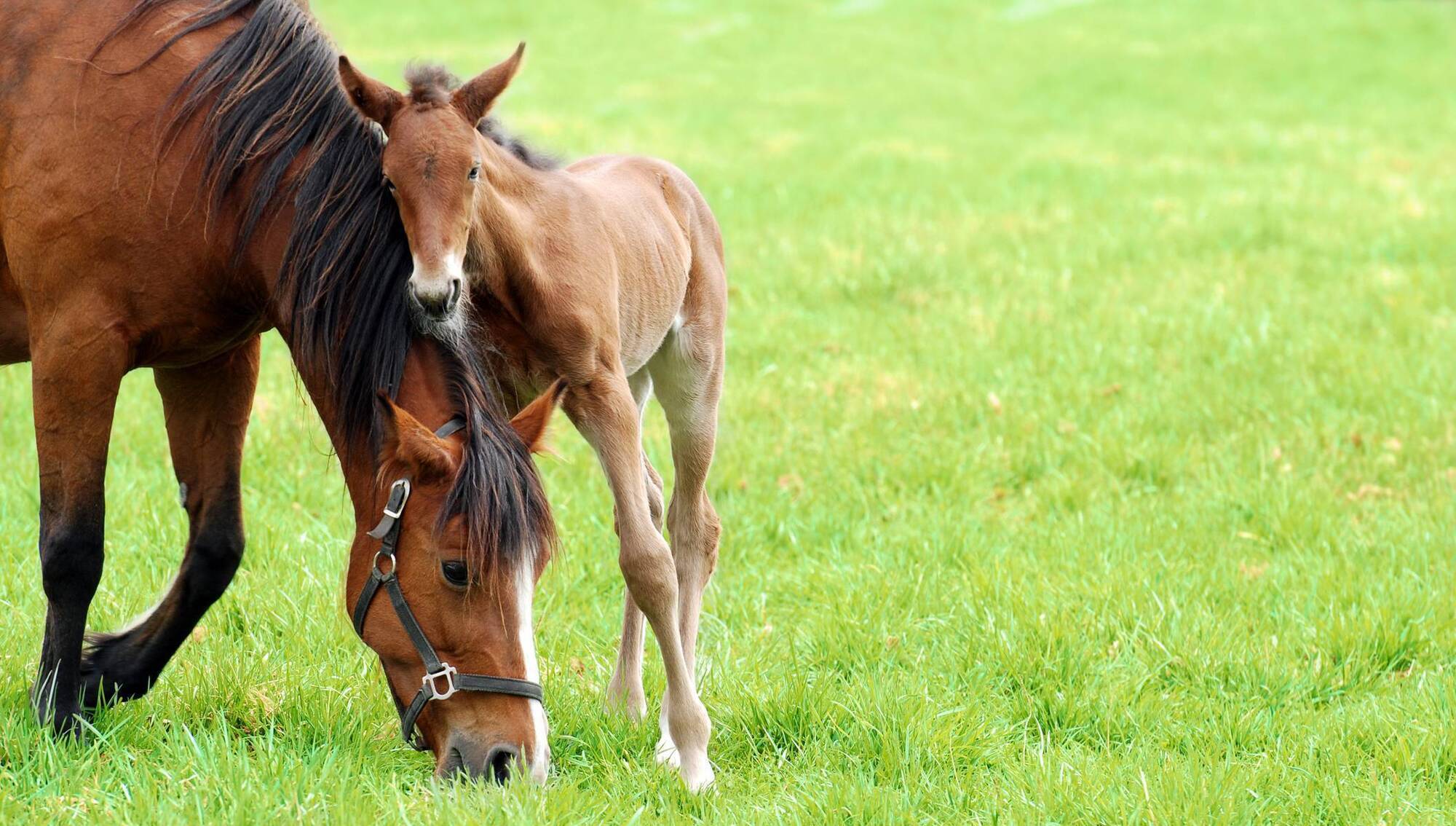
The emergence of this foal pneumonia problem follows a breeding season made difficult in Ireland by the lack of a vaccine against equine viral arteritis.
The Irish Equine Centre has urged horse breeders to be vigilant for symptoms of Rhodococcus equi infection, after seeing a marked increase in the number of cases in recent weeks.
The IEC said the total number of cases seen this year was well in excess of the same period 12 months ago.
The Department of Agriculture has also issued a notice to all horse breeders to be vigilant for signs of Rhodococcus equi infection, which often presents as pneumonia with cough, fever and lethargy, and to contact their private veterinary surgeon about sick foals in good time.
The cases seen by the IEC to date included abdominal and joint infection, as well as acute respiratory infection, therefore vets were reminded to consider Rhodococcus equi as a differential diagnosis in sick foals with or without respiratory symptoms.
The Department of Agriculture welcomed the Equine Centre finding that, to date, none of the diagnostic or post-mortem samples in which Rhodococcus equi was detected contained the gene which makes Rhodococcus equi resistant to commonly used antibiotics.
"To try and ensure this situation continues, it is vital that all instructions regarding use of antibiotics given by your veterinary practitioner are followed in full," advised the department in its notice to breeders.
The Rhodococcus equi bacterium is one of the most common causes of pneumonia in foals, with abscessation of the lungs. Infection may also be seen in other body sites such as the intestines, bones and joints.
Rhodococcus equi is a soil-based organism and is commonly found on many horse farms. The main route of infection is through inhalation of dust particles containing the bacterium.
Some farms have problems with Rhodococcus in foals every year, but there is marked variation in disease prevalence.
Treatment requires a combination of two drugs for some weeks. Recently, strains of the bacterium resistant to these antibiotics emerged.
The insidious nature of the infection can make early diagnosis challenging, therefore, screening of foals is common practice on farms with endemic infection. A consequence of this has been overtreatment of foals with subclinical infection, which has contributed to the development of antimicrobial resistance.
The emergence of this foal pneumonia problem follows a breeding season made difficult in Ireland by the lack of a vaccine against equine viral arteritis (EVA). However, there was no flare-up in the disease, with the Irish Equine Centre saying rigorous surveillance, testing and biosecurity measures ensured a disease-free breeding season.
The centre thanked breeders and equine vets for "pulling together". It said a marked improvement in adherence to codes of practice resulted in a 30% increase in all breeding tests, and a 53% increase in EVA tests.
"However, we could caution that this increase in protection seen still only extends to a percentage of the entire horse population in Ireland, so whilst this is a big improvement, it is still not enough", said the IEC in a press statement.
"There is much to do against a background of waning immunity in our elite stallion herd in Ireland and across the whole of Europe. There is an education gap amongst some breeders, particularly those not breeding thoroughbreds, and it is the IEC's aim to help and support all equine breeders. We must all remain vigilant and be well-prepared ahead of the 2025 breeding season".
A continuing shortage of the EVA vaccine is expected until the autumn or later.
The European Federation of Thoroughbred Breeders' Associations said recently the shortage of the killed EVA vaccine known as Artervac, due to manufacturing failure, has resulted in increased EVA vulnerability of the elite stallion herd throughout Europe.
The federation said it lobbied the EU to seek an emergency import licence for the live US vaccine Arvac as a substitute for the absent Artervac, and France, Germany, and Ireland lobbied their own national governments.
"These efforts were not successful, with the sole exception of an Irish licence for Arvac usage in horses destined to export to countries that require EVA vaccination prior to import.
"Failure of access to EVA vaccine for a second consecutive year would result in significant waning of immunity in the elite stallion herd in the 2025 breeding season," the federation warned.
At its recent 2024 AGM in France, the federation also alerted horse breeders to a newly identified rotavirus strain that has caused severe enteric disease and foal deaths in the US.
This new disease is likely to spread to Europe in the near future. The Gluck Centre in Kentucky is spearheading efforts to develop improved diagnostics to identify cases, and efforts are being made to develop a vaccine.