Hotelier fighting against going to arbitration in bitter row with sons
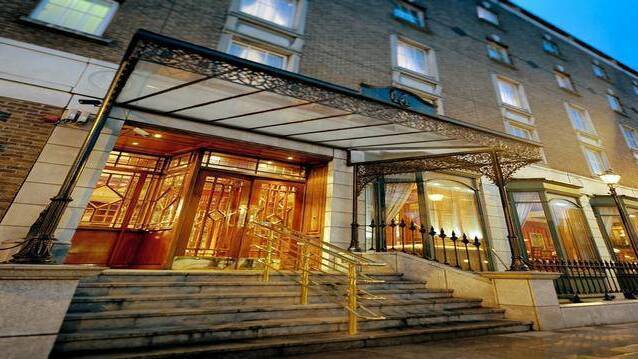
Multi-millionaire Noel O’Callaghan, aged 75, stepped back in 2016 from the hospitality business he built over 40 years — the first hotel his group acquired was the Mont Clare in Dublin in 1984. File picture
The High Court is hearing a motion on whether the case of businessman and hotelier Noel O’Callaghan, who claims that two of his sons excluded him and blocked him trying to retake control of his business, should go to arbitration.
Multi-millionaire Noel O’Callaghan, aged 75, stepped back in 2016 from the hospitality business he built over 40 years — the first hotel his group acquired was the Mont Clare in Dublin in 1984.
In addition to the five hotels it operates, the company, Saira, owns Mount-armstrong stud farm in Co Tipperary, along with around 100 rental apartments, owned by Só Living.
In his proceedings, it is claimed he stepped down from the day-to-day running of the group to focus on Mountarmstrong and his bloodstock business, leaving the day to day running to his sons.
Mr O’Callaghan has taken the case against sons Paul and Charles O’Callaghan, Saira Company Dublin, and subsidiary company Sherborough Development Company, who deny the claims.
As part of the 2016 agreement, Noel O’Callaghan was to be paid an annual salary of €500,000 for the rest of his life, have credit card expenses discharged, and receive the benefit and control of Mountarmstrong, he claims.
It is alleged that, since 2024, Paul and Charles have attempted to exercise control over the bloodstock business with instructions for valuations and sales, some allegedly done without their father’s consent.
In 2024, he sold his interest in the Archers Building on Fenian St, Dublin, to Saira. It is claimed that there was a failure to disclose to him that KBC was negotiating the surrender of its lease on the building, which was sold for €16.6m, constituting an alleged material non disclosure and secret profit.
When the plaintiff challenged these decisions, his sons allegedly began to “freeze” him out by removing clerical support and cancelling payments to him from Saira, which included health insurance, he submits.
When the case was admitted to the Commercial Court last year, Martin Hayden, counsel for Noel O’Callaghan, told the court that mediation efforts had been unsuccessful. Unlike mediation, the decision of an arbiter is legally binding.
In his affidavit, Mr O’Callaghan says he is opposing the defendants’ application to stay the High Court proceedings and refer the matter to arbitration.
The arbitration motion was brought by the defendants, which, they say, is facilitated by a clause in the 2024 agreement that saw him step away from Saira but remain with proxy shares that allowed him to vote on their behalf at Saira.
Mr O’Callaghan claims the 2024 arbitration clause is not operative and of no legal effect as he was never told of its existence and had been misled by his sons.
He further claims that even if the arbitration clause is found to be valid, the parties dispute is much wider than the scope of the agreement, which he claims was solely to regulate the future conduct of the business of the company.
Mr O’Callaghan claims that the 2024 document he was asked to sign, agreeing share transfers to his sons, was represented to him as containing a dispute resolution provision. He claims he understood this to relate solely to his sons and that the agreement would have no impact on his rights and entitlements arising from the existing 2016 agreement.
He claims subsequent business events amounted to the document being misrepresented and that the arbitration clause is therefore invalid.
Paul Gallagher, for the defendants, said Mr O’Callaghan was trying to present himself as a victim in what was an unfortunate dispute.
The hearing continues on Thursday in front of Mr Justice Rory Mulcahy.
CONNECT WITH US TODAY



Be the first to know the latest news and updates