Talk to us first - the key message for those working in or near rivers
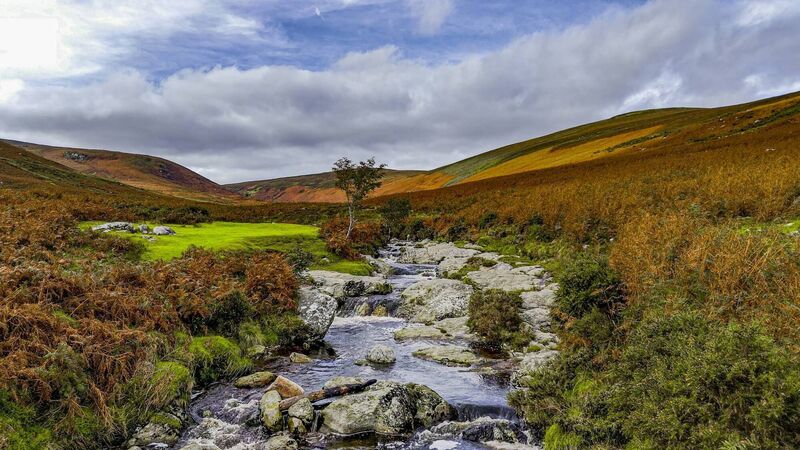
The vegetation on either side of the river or stream also plays a significant role for fish.
Farmers got an insight into how fish life can be damaged this week.
Inland Fisheries Ireland Inspector Cormac Goulding joined sustainability advisors Cathal Somers and Deirdre Glynn on a recent edition of Teagasc’s The Environmental Edge podcast.
“There are a number of things that fish need”, Cormac said. "Number one is obviously clean water, unpolluted water, that there are no suspended soils going in, that there aren’t excessive nutrients going in, and it’s also very important to have a good physical habitat”.
“We have deeper pools, you have moderately shallow glides, and then you have the very shallow riffles where you get the gravels, where you get that bubbling water, so to speak. For juvenile fish in particular, the riffles are the most important. This is where the spawning takes place, this is where the fish lays its eggs, and this is where the juvenile fish will spend most of the early stages of their lifecycle. So those gravels and cobbles are particularly important”, Cormac explained.
Free movement of fish is important, and badly sited or designed culverts or bridge aprons can impede fish passage. “Pipe culverts we’re very much against, because they have a big impact on the flow”, Cormac said. Box culverts and clear span crossings are preferable.
The vegetation on either side of the river or stream also plays a significant role. It provides shelter and shade especially on warm sunny days, helping to maintain a lower water temperature. “The lower the water temperature, the higher the potential oxygen saturation”, said Cormac.
If oxygen levels fall too low, the fish will suffocate and die. Salmon and trout are particularly sensitive. “We know if we start getting dead salmon, particularly juvenile salmon who need the highest level of oxygen, we have a problem. But if we start getting dead eels or dead coarse fish, it’s obviously been a catastrophic event”, Cormac said.
"We have had prosecutions in the past two years, where we’ve taken people to court, where there was considerable in-stream damage, particularly where there were spawning grounds, where there were gravels removed, or where there were extensive sections of streams dug out, where they were widened or deepened, where the riparian vegetation was removed”, he said.
From October 1 to June 30, no works may be undertaken which could interfere with the habitats of salmon, trout and some other species, and there are legal consequences for those not respecting this.
“Our number one message to landowners or anyone considering such works would be ‘talk to us first’”, Cormac said. Inland Fisheries may be contacted 24/7 at 0818347424.
There’s no charge for advice from Inland Fisheries. “We try not to over-complicate it. We give simple, straightforward advice, simple measures that can protect”, Cormac said. “You’ll get a far more sympathetic hearing from us if you talk to us at the beginning rather than ploughing ahead and doing the damage.