Hazell Mullins: Don't take your eye off calves at grass
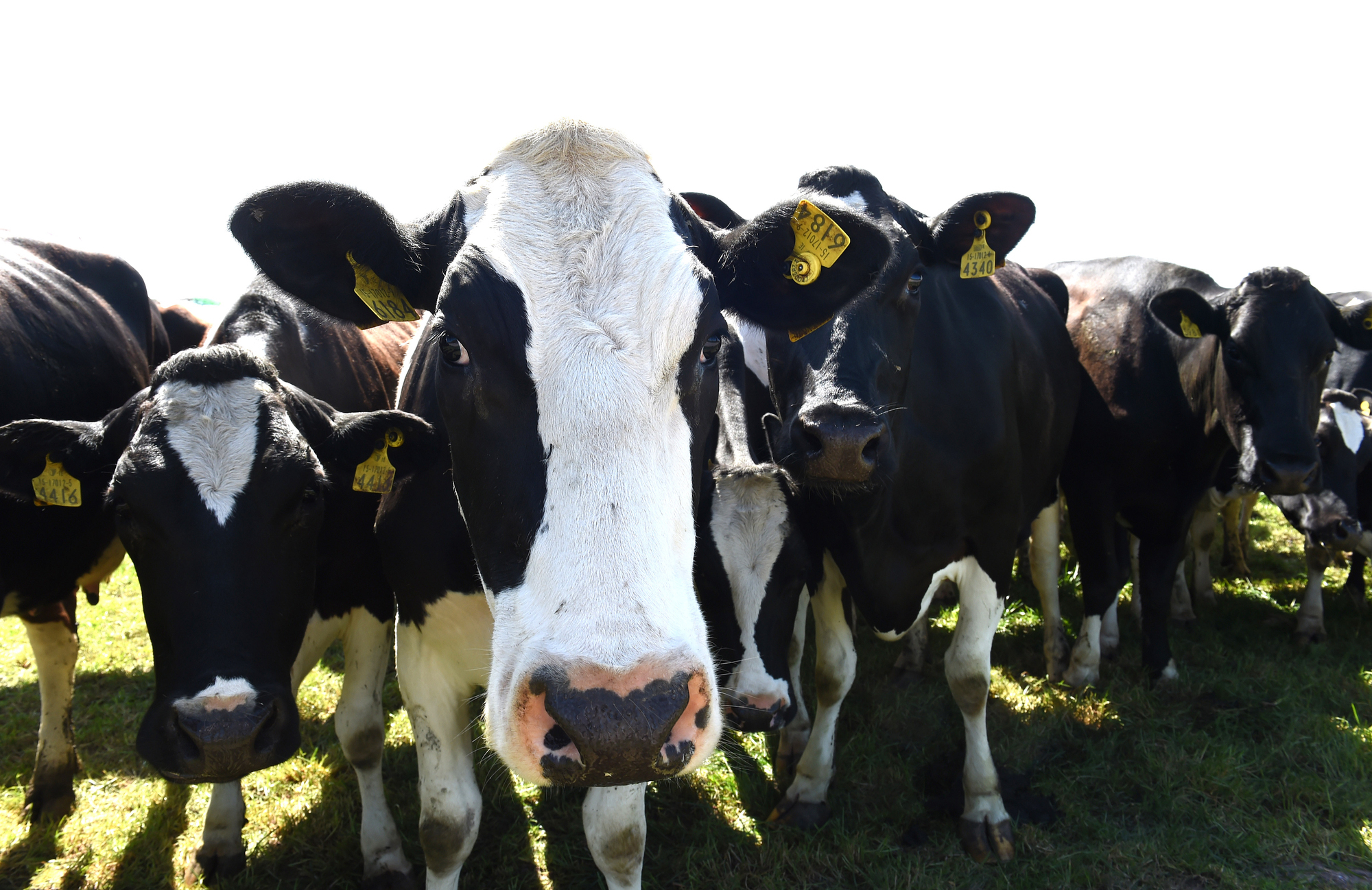
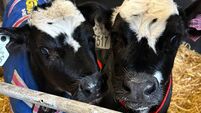
Coccidiosis was labelled as the “silent killer” in vet school and that term of phrase has always stayed with me. Pic: Larry Cummins
Just like that June is upon us, it’s a month of long summer nights and we hope that the sun may make an appearance at some point over the next three months.
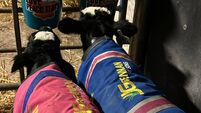
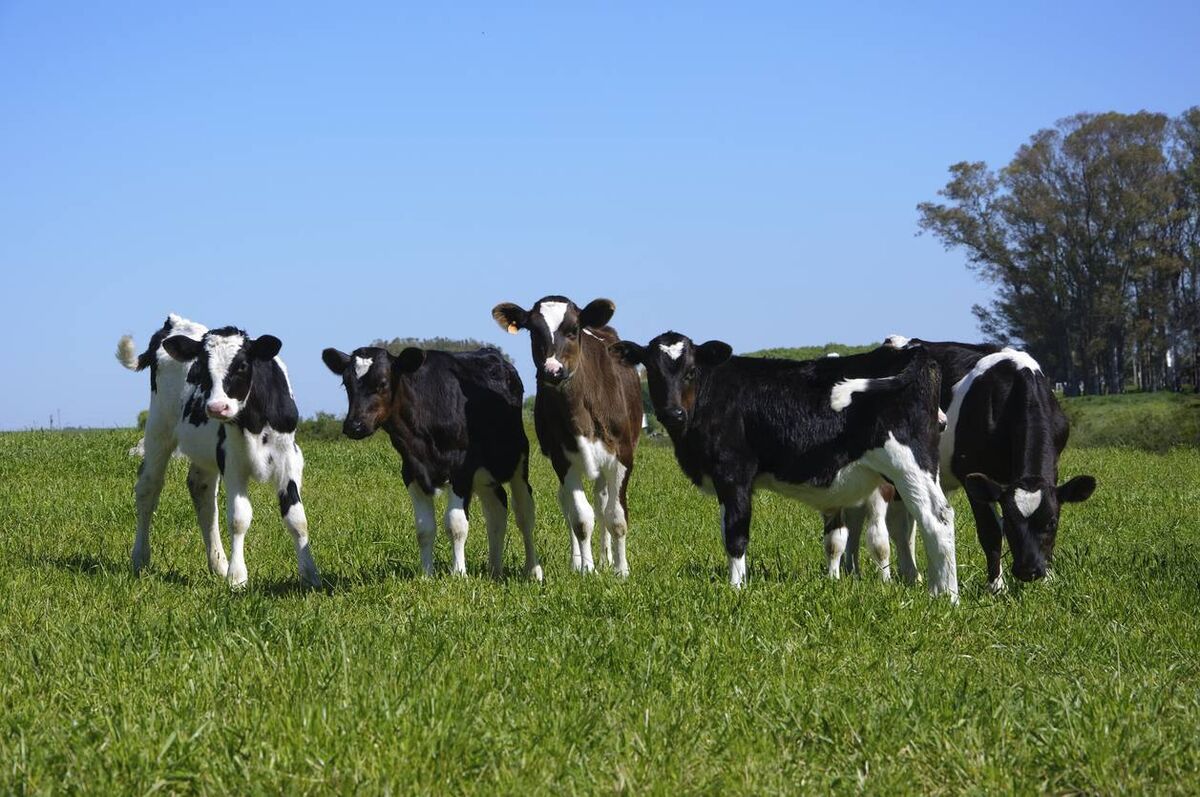
With a new month brings new issues with calves at grass, from coccidiosis, Vit B1 deficiency (CCN), parasites and the dreaded summer scour syndrome. I was worried the other evening when I went to feed the calves after a few days of not seeing them while celebrating my anniversary.
Some calves were after losing weight, scouring and not thriving, I was extremely worried it could be a repeat of last year’s Summer Scour Syndrome episode. My instinct was to think the worst, diagnostics needed to happen fast as my negativity was taking over. I took a faecal sample and brought it to the Mitchelstown clinic where they can complete an in-house analysis of the sample within minutes. Lots of practices offer this facility and it has revolutionised parasitology in practice.
The results were that a medium level of coccidiosis eggs were found and no worm eggs. This was the main issue which was a relief but also a failure on my part not to have prevented this infection. The weather in May has played havoc with stress levels which can predispose calves to parasites such as coccidiosis as the calf's defence mechanisms are weakened.
Coccidiosis was labelled as the “silent killer” in vet school and that term of phrase has always stayed with me. Clinical signs don’t appear until a lot of damage has already occurred to the gut lining. The parasite burrows into the gut wall lining and then it reproduces the cell explodes leaving the gut without villi that are essential for nutrient absorption. By the time scour, inappetence and ill thrift are seen in the calve a lot of damage has already occurred. This delayed healing can lead to poor daily weight gain figures for the weeks following the infection.
Everyone associates blood in the scour as a typical coccidiosis sign and yes when you see this it is more than likely to be a coccidiosis infection. Bacterial scours such as salmonella can also cause a blood-tinged scour so always seek veterinary advice. Just because you don’t see blood in the scour coccidiosis is very much still a possibility. Any calf over three weeks of age with scour has the potential to have a coccidiosis burden as it takes three weeks for their life cycle to complete
Next year I will be paying more attention to the preventative treatment timeline for the calves. The treatment can be used as a preventative is to be given 14 days after exposure to the risk area. For us, the risk area is the fields but for other farms, it may be the calf sheds themselves. The idea behind the delay of 14 days is that the parasite has enough time to enter the cells and launch an immune response in the calf but not enough time to cause serious damage to the gut wall. When coccidiostat drench such as toltrazuril or diclazuril is given at this stage it kills the parasite and the immune system is primed for the next time the parasite is ingested. A discussion with your vet will give you more information on a protocol for prevention on your farm.
I am determined to try and keep summer scour syndrome at bay this year. In the field we have a round rack with a bale of hay, we strip graze the calf fields as much as possible and feed concentrates at a rate of 1kg a day, all to reduce excess lush grass consumption. We are very careful with fertiliser spread on the calf fields and try to avoid it if at all possible. It was shown in early research from UCD that excess nitrogen has a part to play in this relatively new syndrome. We have lick buckets that contain high levels of Vit B1 to aid prevention of CCN which is the classic blind neurological calf that you see away from the main group. We make sure to badger-proof these buckets as a step to prevent TB on the farm.
It is clear that calf rearing does not stop at the weaning stage, it is a whole year of effort that will reap rewards in the end with lovely healthy dairy heifers and beef weanlings. This time of year is busy on the farm with silage season in full swing, it is easy to get distracted from calf care. Don’t let all the hard work in spring go to waste, speak with your vet today about keeping your calves healthy on grass.