Fodder support scheme ruled out for this year
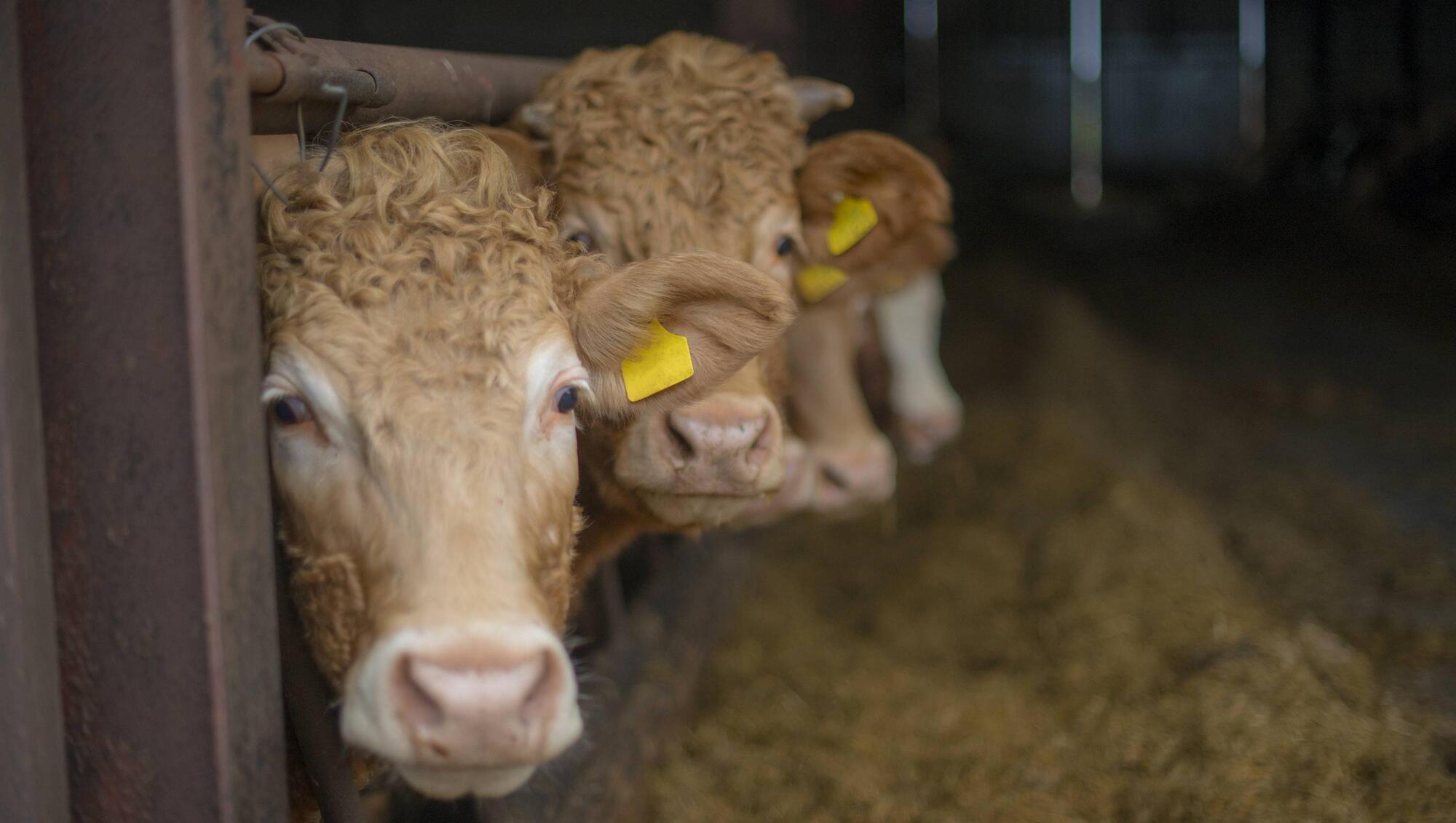
The scheme has been dropped from plans for this year, because there has been a significant drop in fertiliser prices.
The minister said the €100m plus paid in the last two years to help farmers make and conserve fodder achieved its aim of building up stocks on farms, and thus avoided a 2024 repeat of the national shortages seen in 2018 and 2013.

The minister said the €100m plus paid in the last two years to help farmers make and conserve fodder achieved its aim of building up stocks on farms, and thus avoided a 2024 repeat of the national shortages seen in 2018 and 2013.

No repeat is planned by the Government of the schemes that paid €1,000 per farm in 2022 and 2023, to help farmers make extra fodder.

The scheme has been dropped from plans for this year, because there has been a significant drop in fertiliser prices.

Agriculture minister Charlie McConalogue said he announced the €56m Fodder Support Scheme after the invasion of Ukraine by Russia in February 2022, because he was concerned that farmers might cut fodder production too far, because of the historically high prices of fertilisers following the invasion.

The 2023 Fodder Support Scheme was a continuance of the 2022 Scheme. Only successful applicants for the 2022 Fodder Support Scheme were eligible to apply for the 2023 Scheme, which closed for applications on December 5, 2022.

A re-opening of the scheme in July 2023 facilitated applicants to amend downwards the area they had entered for the support, if this was required in order to reflect the land the participant has claimed on their 2023 BISS application.

The 2023 fodder scheme payments totalled almost €53m.

The minister said the €100m plus paid in the last two years to help farmers make and conserve fodder achieved its aim of building up stocks on farms, and thus avoided a 2024 repeat of the national shortages seen in 2018 and 2013.

The fodder scheme was controversial because dairy farmers were excluded.

Under pressure

But minister McConalogue believes it has been crucial in ensuring sufficient fodder to deal with the unprecedentedly long 2023-24 winter housing period, of up to seven months in many cases.

He said he stepped in after the Russian invasion of Ukraine and the subsequent increase in fertiliser costs, to relieve some of the costs for farmers, to ensure the maximum amount of fodder would be grown.

The funding continued last year because prices, particularly of fertiliser, remained exceptionally high.

"Thankfully, we have seen fertiliser prices drop significantly, although they are still higher than what the long-term average would have been, but I believe much of the pressure has been relieved," the minister said.

"We will work and provide the advisory support and co-ordination capacity to make sure that all in the sector now respond to make sure that fodder supplies are fully replenished for next year and indeed that stocks are strong to be able to withstand the type of long winter that we have seen over the past winter.

"I am applying those supports this year to the sectors that need them the most, in particular the tillage sector, which is under particular pressure."

More in this section

Farming

Newsletter

Stay ahead of the season. Sign up for insights, expert advice and stories shaping Irish agriculture.

Cookie Policy Privacy Policy Brand Safety FAQ Help Contact Us Terms and Conditions

© Examiner Echo Group Limited