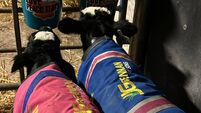
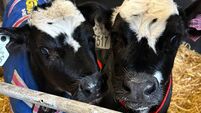
Disbudding and the clear benefits of added pain relief
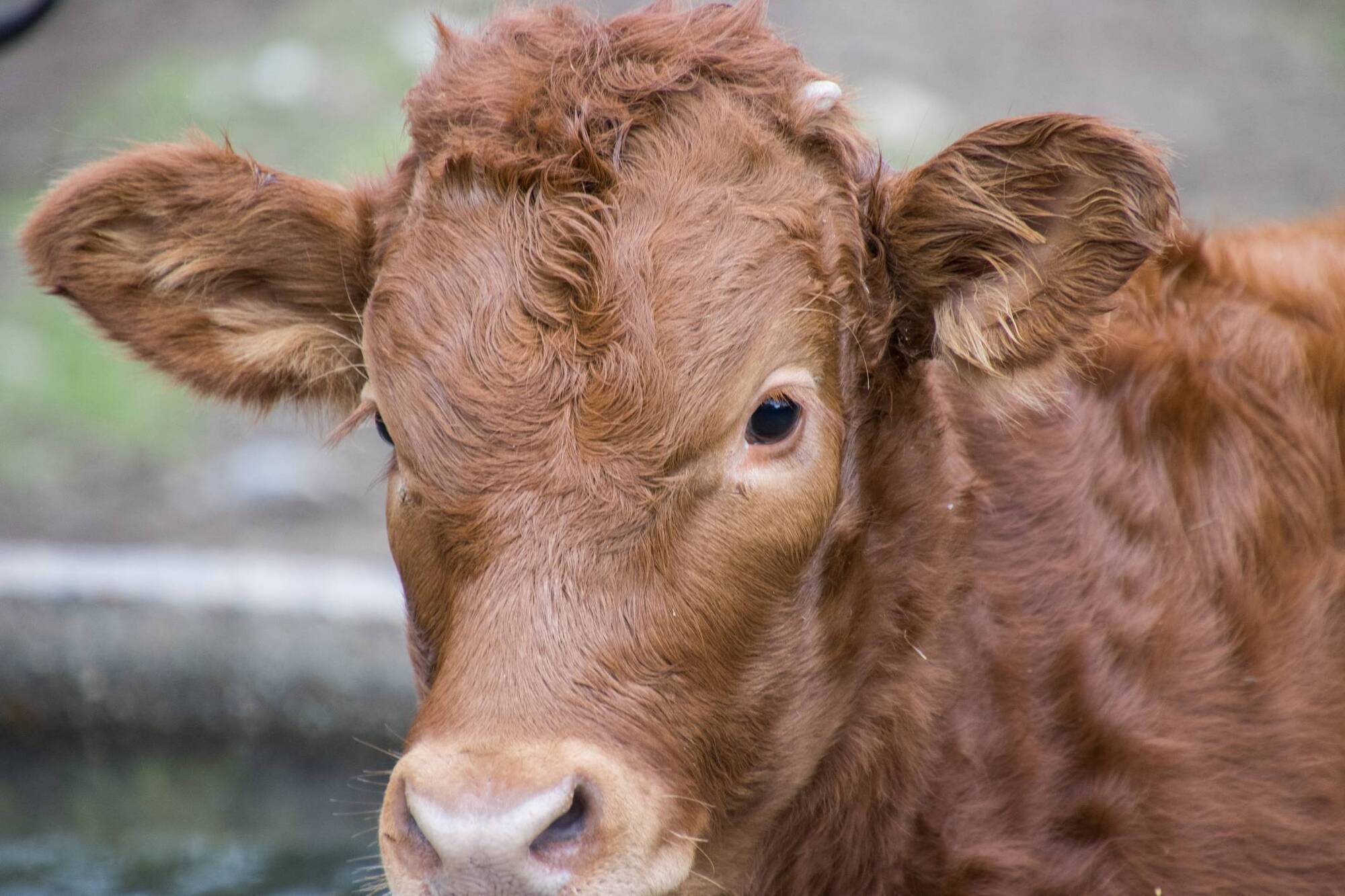
Calves over four weeks old require veterinary supervision for the local anaesthetic application.
I never saw myself as a researcher, but last week I conducted a clinical trial of sorts on my farm. It may have been unintended, but the results spoke for themselves.
It’s that time of year when the dehorning iron is brought out of storage, and the annual task of disbudding is upon us again. Disbudding involves removing the unattached horn bud whereas dehorning is when the horn bud has attached to the skull.
By law in Ireland, local anaesthetic can be given by a farmer from two to four weeks of age for hot iron cauterisation, and calves over four weeks old require veterinary supervision for the local anaesthetic application.
Local anaesthetic administration involves injecting 2-3ml under their zygomatic arch on each side of the head. It feels like a “bony ridge”, as I like to describe it to farmers; always draw back on the syringe to check for blood, and if this happens, re-direct the needle.
I have been asked to demonstrate where to administer the local in practice on numerous occasions; and would encourage anyone unsure about what they are doing to make sure they ask your vet for a demo if there is any uncertainty. Injecting here will numb the corneal nerve that runs to the horn bud and block any sensation from the cauterising iron.
I must admit it is a job that I do not traditionally enjoy. It can be quite physical to catch each calf twice; first to administer the local anaesthetic and then for the disbudding. This year, we had some strong calves that I did not fancy trying to catch, which meant a “knock-down” disbudding was on the cards.
This vet-only procedure includes a sedative that is given to each calf, which causes them to lie down to allow the local anaesthetic to be administered and the disbudding to take place.
This type of disbudding was first brought to my attention when I visited Denmark on a veterinary exchange a few years ago.
Pain relief in the form of a non-steroidal is a non-negotiable when disbudding/dehorning, in my opinion, and my accidental mini-clinical trial certainly confirmed that for me.
I disbudded a batch of ten calves using the dehorning crate with Dad, and I got a little distracted while chatting with him. It was obvious later that evening that I missed injecting one of the calves with their NSAID (non-steroidal anti-inflammatory drugs).
All the other calves in the batch ran up to the feeder when I appeared with the bucket. This one particular calf was lying at the back of the pen; he got up eventually but was shaking his head profusely and was bringing his foot up to his head with discomfort.
These are all clinical signs of pain post-disbudding; they are well documented in the research papers when examining the behaviour of calves with and without pain relief. He had no interest in drinking and was very wary of putting his head near the other calves.
I knew straight away that I must have missed him when injecting and gave him an injection of meloxicam straight away. Meloxicam is licensed for pain relief post disbudding/dehorning and is my go-to pain relief due to its long duration of action of up to 72 hours. The next morning he was just like the rest of the calves and bounced over to the feeder.
The scientific need for the NSAID, in addition to the local anaesthetic, is that the local only provides pain relief for approximately 90 minutes. It is then the job of the NSAID to take over for the next 72 hours. Sedation also has a mild pain relief action; however, this is short-lived.
There are certainly benefits to the knock-down routine for disbudding; it is less physically demanding, and calves wake up slowly to the procedure being over. It is a vet-only procedure due to the inclusion of the sedative; whilst on the farm, any calf health issues can be discussed with your vet and can be investigated.
I see more and more vets offering knock-down disbudding as a service which is fantastic, I would recommend discussing the procedure with your vet to find out more.
Aftercare for disbudding is very important; in the first hour, it is vital to watch out for any bleeding from uncauterised vessels to prevent unnecessary blood loss. If bleeding is not stopping after re-cauterisation, your vet should be called as blood loss in a young calf is dangerous.
On-going monitoring for signs of infection should continue until healing is complete. Signs, such as excessive swelling, a smell or discharge seen at the horn base, mean veterinary advice should be sought. I personally spray the horn bud with sliver spray for two to three days post-disbudding when they are at the feeder to reduce the infection risk.
I am a huge advocator of pain relief in farm practice, and I have seen first-hand how controlling pain can benefit the prognosis of a condition. Next time you are questioning giving an NSAID or not, ask yourself, “If it was me, would I want pain relief?" And more than likely, your answer would be “yes”.
This weekend, all roads lead to Kildare, where we are celebrating my vet friend Lucy Jerrum’s hen party in style with afternoon tea. The end of calving is near, and the social life is slowly getting back on track.