Hazell Mullins: How Danish farmers are making dehorning a 'dream'
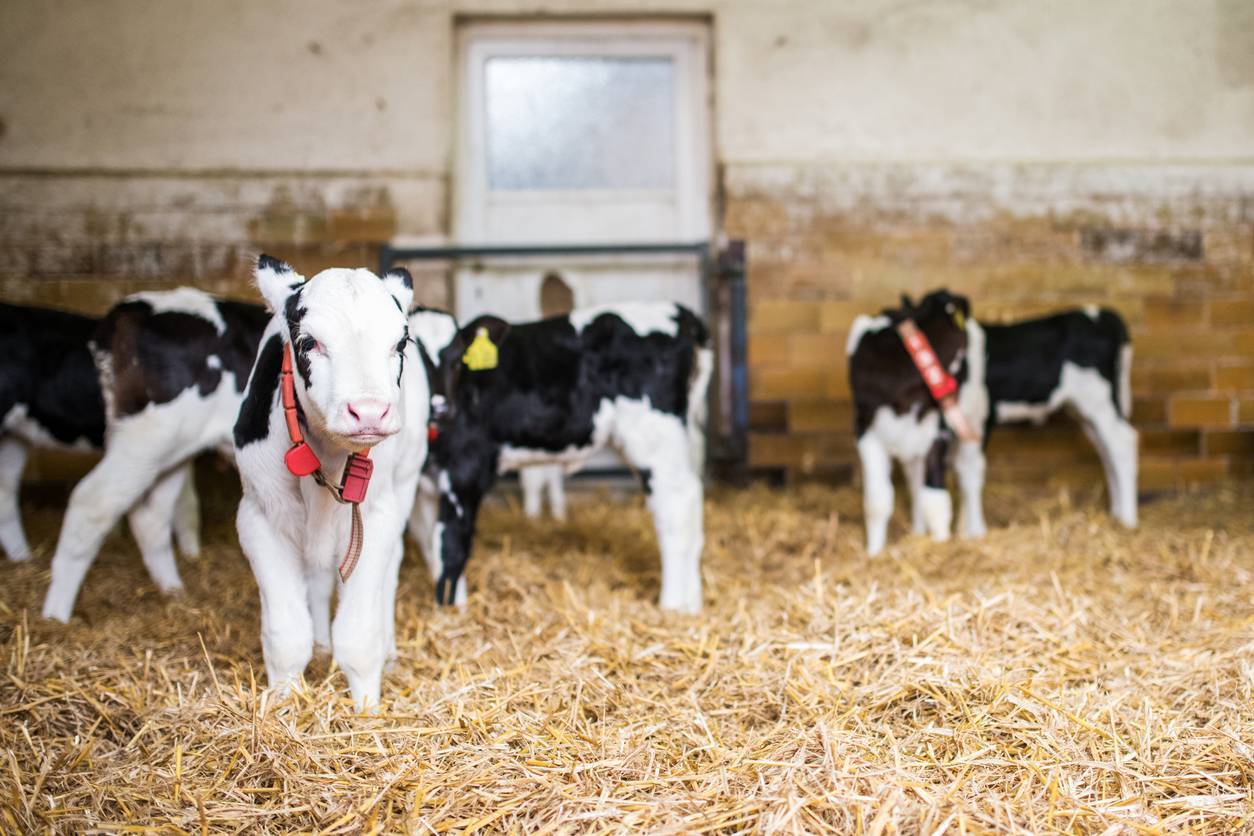
“Knock down” dehorning is where a sedative is added to the protocol alongside the local and non-steroidal.
It's been a busy couple of week on the farm, with preparing for weaning meaning it's disbudding time for the calves on the farm.
I have to admit it is one of those essential job that I dread and will happily find any excuse to delay. I think this stems from my childhood when the big bottle of gas had to be rolled across the yard, and the ordeal of catching calves that were running rings around us.
Thankfully times have changed; we now have a neat hand-held “express” branded cauterising iron and a lovely dedicated crate to place the calves safely into.
Disbudding involves removing the horn bud from which the germinal cells produce the horn as the calf grows. It is a legal requirement in Ireland that once a calf is over two weeks of age, local anaesthetic has to be used. This can be obtained from your vet as it is a prescription-only medicine.
Once the horn bud produces horn, it is then referred to as dehorning and would need veterinary intervention to remove.
I, personally, inject 3ml of local anaesthetic to each side of the head to numb the corneal nerve that supplies sensation to the horn base. The textbook amount is 2ml. However, I think the extra millilitre allows for a margin of error in the placement of the local to ensure it is still effective.
For the placement of the needle, I find the midway point between the base of the ear and the outer corner of the eye, there I feel a prominent ridge.
The corneal nerve runs under this ridge, and I insert the needle here, always drawing back to make sure I am not in a blood vessel. As I inject I try to reposition the needle without removing it from the skin which allows dispersal of the local. Your vet can always help with advice on local anaesthetic placement, I was asked many times during a TB Test to show exactly where to inject.
Always allow each calf a minimum of five minutes before applying the disbudding iron to allow the local to take effect. This allows ample time to give a non-steroidal pain relief which will ensure pain relief is on
board once the local aesthetic wanes after approximately 30 minutes.
I prefer to give a meloxicam as it has the longest duration of action and is also licensed for pain relief associated with disbudding/dehorning. A study from 2010 found that pain can persist after disbudding for up to 44 hours, and one subcutaneous injection of meloxicam will provide pain relief for longer than that duration.
The same study concluded that calves that received meloxicam pain relief showed fewer signs of pain, such as head shaking, ear flicking and restlessness, compared to those with no pain relief.
The evening feed after the disbudding was like any other apart from their sliver spray-tinged foreheads. They all came running over to the feeder like nothing had occurred, unlike the years when they didn’t receive a non-steroidal, where they were very reluctant to drink and lethargic.
The timing of disbudding (dehorning) is also crucial; it should not take place when other stressors are present in the shed. You want your calves to be at their happiest before disbudding, not at times like weaning, when they're ill or on a “bad” weather day. Treating for coccidiosis also prior to disbudding to prevent a stress-induced outbreak is advised however, this depends on the age of the calf and farm history.
In 2019, I travelled to Denmark to see practice with a vet that I knew in a town called Ribe in the dairy-dominated south of the country.
This was where I was first introduced to “knock-down” dehorning, where a sedative is added to the protocol alongside the local and non-steroidal.
My eyes were opened to how stress-free the procedure was to both the farmer and the calves. It is a legal requirement in Denmark to disbud all calves in this fashion, which meant the vet was always involved, as sedation is great to monitor calves' health status too.
I wondered if this would ever catch on at home in Ireland, and to my delight it has done just that. Dad even received a text from our local vets a few weeks ago offering the service to their clients, which is wonderful to see.
I actually performed this “knockdown” method on my own calves last year and it worked a treat.
I will be doing the next bunch of calves in a week’s time when I remember to stock up on sedation - even my uncle was wondering why they weren’t sleeping beauties this year, and we were back to the reliable crate.
Watch this space for more and more “knock down” disbudding/dehorning on farms in the future, and don't be afraid to ask your vet about the procedure.