Ireland's racehorse breeding industry under threat from vaccine shortage
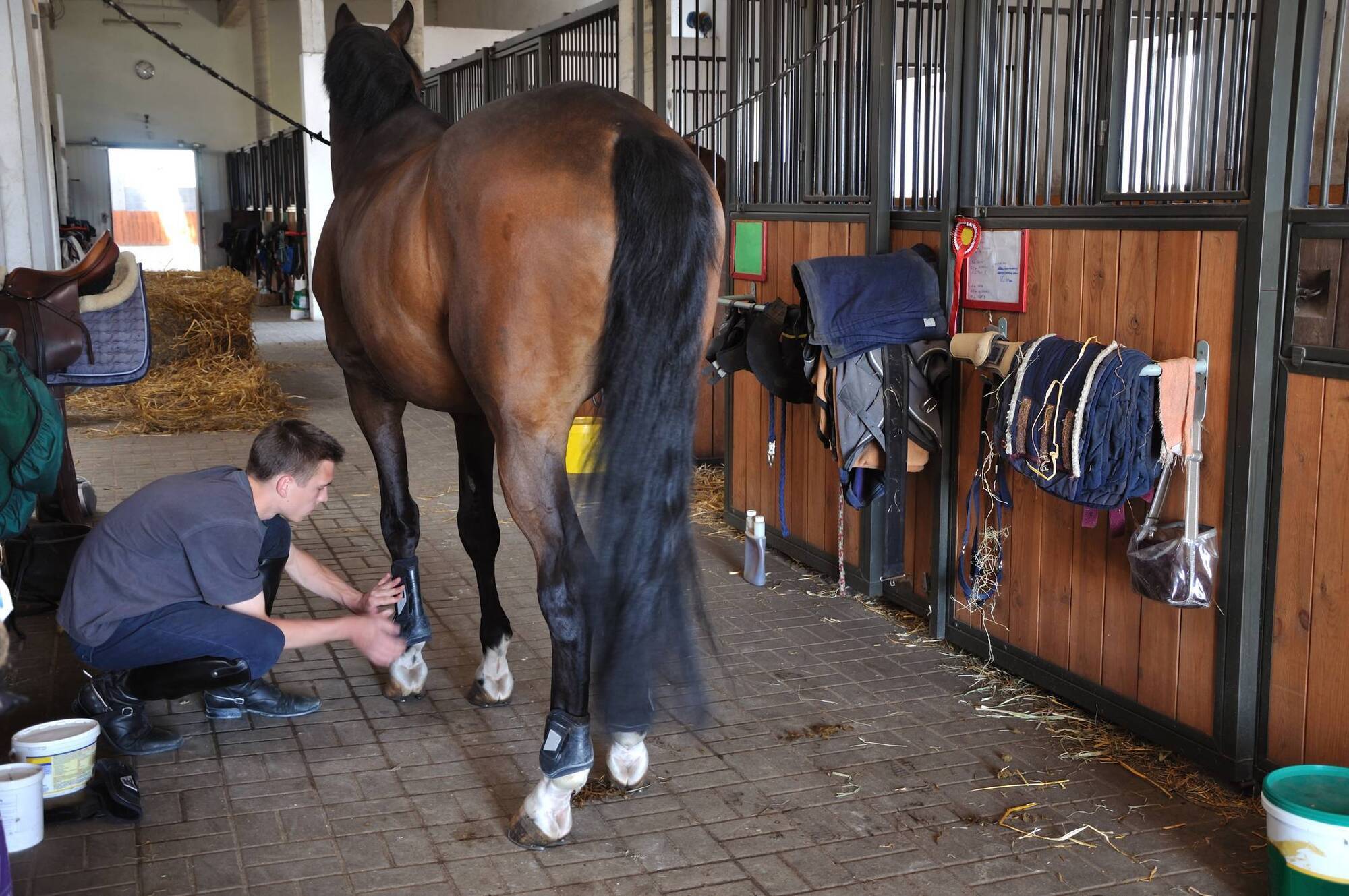
An outbreak of EVA 'would have catastrophic consequences', the industry has warned. Picture: iStock
The Department of Agriculture has confirmed a vaccine vital for the health of horses will be in short supply until the autumn or later.
Without Artervac, the only inactivated vaccine against equine viral arteritis (EVA) used in Europe, the racehorse breeding industry is left with a significantly increased risk of a serious EVA outbreak.
Such an outbreak "would have catastrophic consequences", warned Joe Hernon, chairman of the European Federation of Thoroughbred Breeders' Associations, in a statement issued in November, when it called for an emergency import licence to make Arvac, an alternative vaccine, available prior to the 2024 thoroughbred breeding season.
However, some leading stud farms in the UK and Ireland have said use of Arvac was being explored, but it would not be available for the 2024 breeding season. They advised mare owners that stallion immunity to EVA would be reduced, without Artervac.
An additional EVA blood test from mares would be needed no more than 30 days before they are covered.
EVA is a notifiable disease, all suspicions of EVA should be reported in Ireland directly to the Department of Agriculture without delay. EVA outbreaks can lead to a country losing its horse export status.
The main way of preventing EVA is six-monthly vaccination, particularly for stallions and teasers.
Establishing freedom from infection involves checking the disease status of breeding stock before the breeding season, by blood testing.
The safest option is to blood test all mares, whether intended for natural mating or artificial insemination (AI), after January 1, and within 28 days before breeding. Mares should not be bred until the results are available.
The virus occurs worldwide. In pregnant mares, abortion may occur. EVA may occasionally be fatal. Clinical signs vary widely, with no signs at all in some stallions which might nevertheless still excrete the virus, posing a significant risk of disease transmission if undetected. The fertility of these "virus shedder" stallions is not affected. Infected mares may transmit EVA via the respiratory route.
The EVA virus can survive in chilled and frozen horse semen used for AI.
The Department of Agriculture said precautionary measures must continue, to help prevent virus introduction and spread, because any outbreak of the disease would have significant negative consequences for the equine industry.
That means blood samples from all previously vaccinated stallions (including those used in AI) and teasers must be submitted for antibody monitoring to the department's Central Veterinary Research Laboratory at Backweston, Co Kildare, at six monthly intervals.
Blood samples must also be submitted for any new stallions commencing breeding in 2024, to confirm their EVA-negative status. And all breeders are strongly encouraged to review and optimise biosecurity and mare testing protocols for the 2024 breeding season.
The department also said an EVA test should be requested of imported mares and stallions before departing the country of origin, in order to protect the Irish horse population.
The disease scare has arisen because the Zoetis pharma company announced the shortage of the hitherto widely used Equip Artervac vaccine will continue until autumn 2024 at the earliest.
EFTBA chairman Joe Hernon had called for an emergency import licence for an alternative vaccine called Arvac.
“We are doing this on behalf of our European industry, which represents 23,000 thoroughbred breeders in Europe and creates direct and indirect employment for 150,000 people and represents 2.4% of all agricultural output in its multi-billion-euro value to the EU economies," said Mr Hernon, of the Castletown Stud, Castletownroche, Co Cork. He is a former chairman of the Irish Thoroughbred Breeders Association.
However, veterinary authorities have expressed major reservations about the two alternative vaccines. One is an inactivated vaccination from Japan for which there is insufficient required safety information.
And multiple concerns around the Arvac live vaccination from Zoetis include potential to bring in extraneous agents, and that it has never been used in a disease-free population.
Furthermore, experts say personal protective equipment would be needed during administration of the Arvac vaccination, followed by horse quarantine for four weeks.
Hence the preference of many European vets for a biosecurity approach to the arteritis threat.
The Irish Thoroughbred Breeders’ Association has welcomed the Irish Equine Centre initiative to reduce the cost of repeat EVA testing to €15 plus Vat on all EVA testing after their initial €66 plus Vat bundle package of CEM, EVA, and EIA testing.
The association said enhanced EVA testing of mares was advised. Based on information from stud farms, it said the minimum requirement was a negative EVA test 30 days before covering. Some stud farms require extra testing.
The Irish Thoroughbred Breeders’ Association said the European Breeders’ Fund in Ireland would also fund extra EVA testing set up on each Saturday during the covering season.
The Irish Equine Centre called on all thoroughbred and non-thoroughbred horse breeders to review and optimise biosecurity in preparation for the increased EVA disease risk in Ireland.