The five animal health topics vets are talking about this spring

Try to ensure the surface of roadways is free of sharp stones to reduce the incidence of lameness.
Where has February gone? One minute, we are sending valentines, and now we are gearing up for St Patrick's Day; the start of spring is always a blur for me.
Most farms are 50% calved or more not at this stage, and vets have been busy around the country attending calls. I regularly check in with my vet friends around the country, and it's interesting to see what issues they are encountering at the midway point in spring.
Hypocalcemia (Milk fever) is rising its head again this spring in a big way and I hear anecdotal reports that bottles of calcium are like gold dust. Bottles of calcium should be reserved for the clinical down cows; boluses are an overall better option for at-risk cows due to better absorption from the GI tract and their longer duration of action.
In discussion with my colleagues, we put this rise in cases possibly down to the longer housing period and the longer dry period leading to more over-conditioned cows, which are at an increased risk of milk fever.
At this stage in spring, adding extra magnesium to the diet post veterinary advice and administering calcium at the point of calving in the form of a bolus could prevent clinical cases of milk fever. Remember, for every case of clinical milk fever, there are approximately another five cases of subclinical milk fever. The risk cows are those that are scanned in twin, over-conditioned cows >3.5 BCS and older ladies, especially if they have Jersey genetics.
On our farm, we give all cows a fresh cow drink with >40g of calcium to make sure they get a boost after calving, along with rehydration and energy supplementation. We have had one case of milk fever so far this year and it was before calving, she got up pretty quickly but she took longer than usual to recover.
With an increase in milk fever cases, this means subclinical milk fever is going to be an underlying issue on farms. This can bring a multitude of secondary issues, which are now also seen on farms by my colleagues, of which retained placentas are a common call-out for vets currently.
They can be caused by poor mineral supplementation, but they can also be caused by a lack of calcium, which influences smooth muscle contractions needed to expel the cleanings post-calving. This delay in clearing the placenta is causing an increase in metritis cases on farms, which will then, in turn, have a knock-on effect on the cow's breeding season due to poor uterine health.
If any cows do hold their cleaning, make sure to note them to present for a pre-breeding scan in April, as they are high-risk cows for infertility.
I wrote about my experiences with E.Coli mastitis cases last week during my on-call in Mitchelstown. The wet weather hasn’t helped with the prevention of cases alongside the increased risk due to subclinical milk fever.
Low calcium impairs the smooth muscle in the teat canal to close and allows the bacteria to enter the udder and cause serious illness. Improved hygiene around calving and calcium supplementation can aid in its prevention.
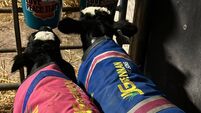
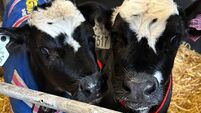
On my farm, we are blessed with bouncy Friesian bull calves; however, they are little monsters that “are ready for the mart”. The cows are calving them perfectly fine, perhaps with a little help occasionally.
Our UK neighbours are seeing more and more Schmallenberg cases in calves this spring. Be alert for the classic deformities seen, such as contracted/ fixed limbs and a large dome head.
They can also appear normal; however, they display neurological signs such as a wide stance, inability to balance and suspected blindness. With any aborted or deformed calf, a submission via your local vet to your nearest regional vet lab is advised.
Unfortunately, the dreaded cryptosporidium has been diagnosed on farms by colleagues which is early in the season. Making sure colostrum management is optimal and hygiene is paramount in the calf shed.
Foot dips with an anti-crypto agent can help to keep it out of the calf shed. We started using Precision Microbes at a rate of 30ml per day per calf in order for the calves to have optimal gut health this spring.
If you are seeing early cases of scour, act fast; rehydration is key, and get a diagnosis to know what you are treating, which will help cut down on unnecessary antibiotic treatments on the farm.
The cows were out last week for a few days, and I noticed on their arrival back to the parlour an increase in lameness. Turn-out injuries can be common from the excitement of their long-awaited freedom and also white line disease due to using roadways again.
Try to ensure the surface of roadways is free of sharp stones to reduce the incidence and also prompt treatment can make a huge difference when it comes to sole lesions. Locomotion scoring the cows daily at this time of year can ensure a good start to the grazing season ahead and early treatment of cases.
Hopefully, next week, things will get more consistent on the farm when it comes to grazing if you’re like me, and the novelty of cleaning cubicles is starting to wear thin. I have a busy week of exciting Veterinary Ireland meetings next week between the calves, but I am really enjoying the role and starting to find my feet in the role.
- Hazell Mullins BVM BVS, is a large animal vet based in Carrignavar, Co Cork.