New year - Time to think about scour prevention
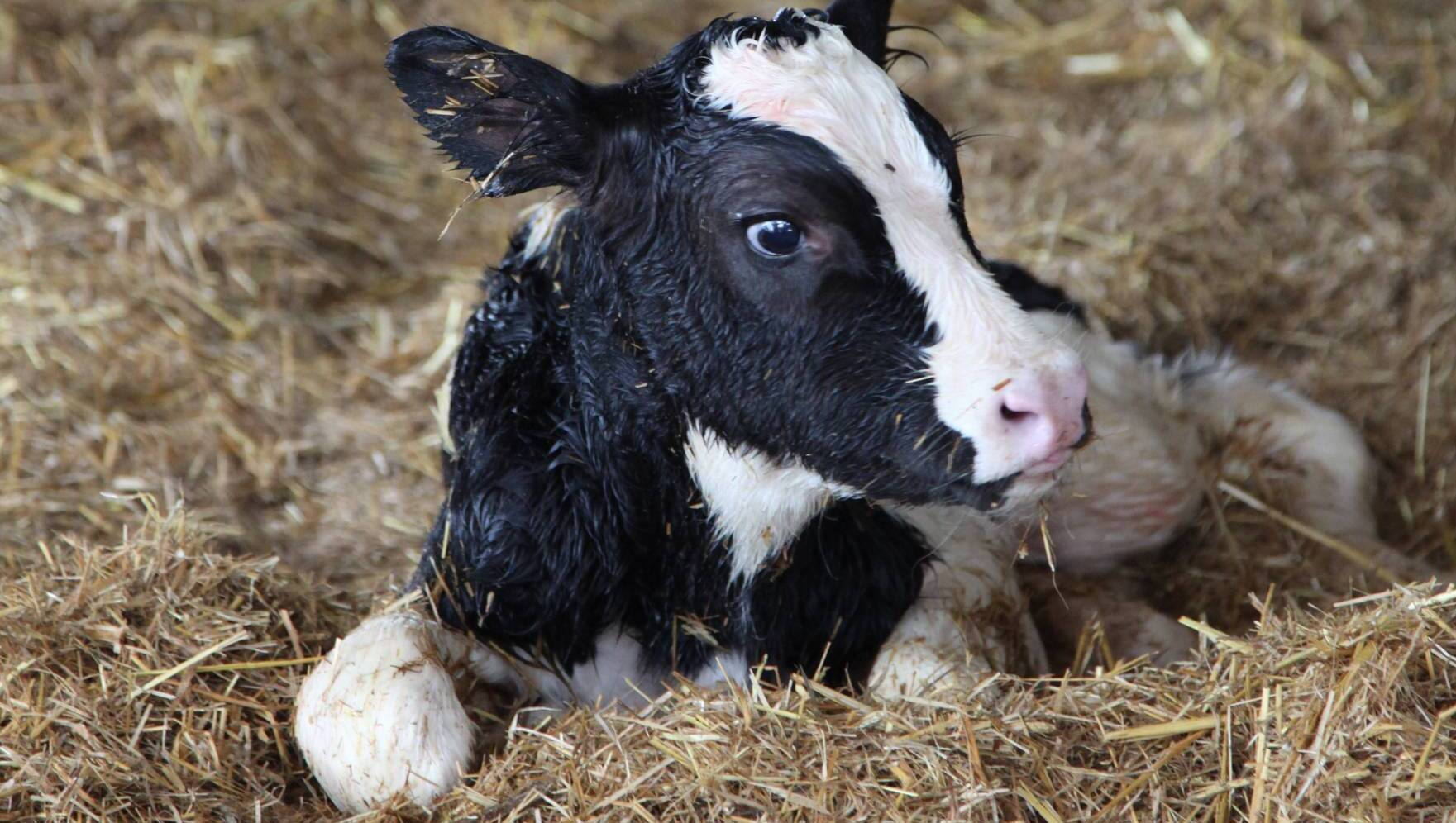
Correctly timing vaccinations mean calves can be protected before they are even born.
New year goals rather than new year resolutions are the way I like to launch into a new year. I always write down a few on January 1 because when they're on paper, they act like list items to tick off.
One goal is to improve little by little the infrastructure of the farm, the calf house is nearly ready to go for spring 2024 which will make things easier for feeding and cleaning.
I am currently trying to find jobs on the farm that can keep me away from the remaining chocolates dotted around the house. One of the main jobs I think about in the first week of January is to focus on spring scour prevention in the calves, with the use of scour vaccines in the cows.
Unlike other vaccines that you give directly to an animal to prevent disease, scour vaccines are given to the mother to pass antibodies via colostrum to their calf. The traditional scour vaccine that has been used on farms for many years covers Rotavirus, Coronavirus, and E. coli.
This year, there is also a new similar maternal colostrum-type vaccine for Crytopsporidum that has been long awaited and will hopefully revolutionise its prevention on farms.
The timing of scour vaccines is essential for their success as they need time to elicit a response in the cow and then transfer those antibodies to the colostrum.
The Rotavirus vaccine needs to be administered at least three weeks from calving and no longer than 12 weeks from calving. If your calving pattern is longer than nine weeks, it is advisable to batch vaccinate the later calving cows and delay vaccination for them to fit the protocol.
I have witnessed breakthrough Rota outbreaks on farms that didn’t batch vaccinate and the later cows fell out of the protocol window. This meant that the later calves didn’t receive colostrum with sufficient or even any Rota virus antibodies.
The new cryptosporidium vaccine is a two-dose vaccine that must be given at six weeks and three weeks before calving, meaning that it must be started three weeks earlier than the rotavirus vaccine to complete its protocol.
Once the vaccine is administered, the work doesn’t stop there. Colostrum management is a key factor in ensuring the vaccine will work to its full potential.
The 'Four Qs' are essential to remember when thinking about colostrum:
- - it is important to check the quality of the colostrum given to each calf and hopefully, everyone got their refractometer from Santa. The magic number is always 22% Brix as the threshold for suitable quality colostrum.
- - This very much depends on the weight of the calf, 10% of body weight in kg is the aim for the first feed, this would equate to 4L for a 40kg calf.
- - The first feed should be within two hours of birth and always use the first milking of colostrum from the cow.
- – Colostrum must be fresh and clean when fed, bacteria overgrowth or contamination can render the colostrum less absorbable due to competition between the bacteria and antibodies in the gut. Always try to feed fresh colostrum from clean utensils and keep it for no longer than 48 hours in the fridge. I have come across a few questionable fridges on farms; but it is so important that the farm fridge is working as well as your kitchen fridge for both colostrum freshness and vaccine storage.
Transition milk is recommended for up to a week post-birth to allow local action of the vaccine-induced antibodies in the gut. It is advisable to discuss transition milk management with your vet taking into account the Johnes status on the farm.
Pasteurisation of transition milk could be an option for farms where Johnes is an issue and would allow the anti-body rich transition milk to be fed; however, pasteurisation can reduce the amount of anti-body content of the transition milk.
As we all know from the pandemic, even despite vaccination breaks though disease can occur, it’s the fine balance between infection pressure versus antibody protection that can cause disease. Hygiene as always is key to reducing infection pressure, this week on the farm we did our final pre-calving disinfection routine so we are as ready as possible for the incoming calves. We removed all organic matter first, then power hosed and then disinfected with Cylex which is active against Cryptosporium and Coccidosis.
Choosing what vaccines to use for scour in the future will come down to previous history on the farm and diagnostics. The pen-side scour tests are convenient for vets to diagnose scour cases in real-time. If negative, I always suggest sending a scour sample to the lab for a second opinion.
Discuss with your vet this January the best protocol for scour vaccines on your farm and for more information on the new cryptosporidium vaccine.
Happy New Year to all the readers; let’s make 2024 a year of positive farming and continue to strive for improved herd/flock health.
- Hazell Mullins BVM BVS, is a large animal vet based in Carrignavar, Co Cork.