Why you should channel your inner scout on the farm this week
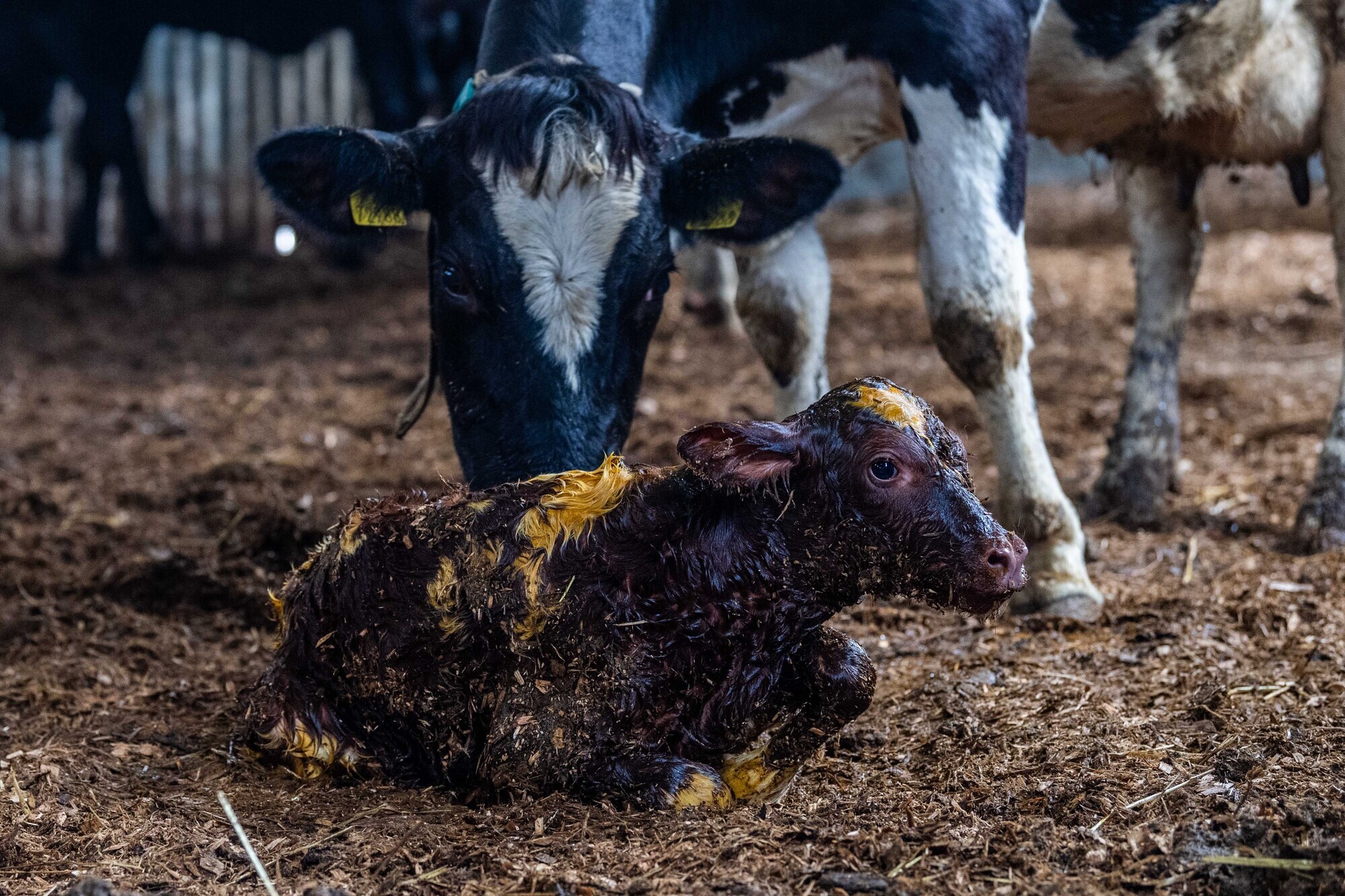
Keeping stress to a minimum is key in the calving shed, it helps with the smooth progression of calving and helps with maintaining calcium levels reducing the risk of milk fever. File picture: Andy Gibson.

I might still be easing myself into my new role as the president of Veterinary Ireland, but life on the farm is continuing as normal and spring is coming closer every day.
And the famous scout phrase “Be prepared” always comes to mind when I think about the spring. Last week, I launched 'Operation Springtime' on the farm with a re-organisation and improvement of existing sheds on the farm.
We are planning a whole different approach to calving cows and housing calves this year, time will tell if it’s a success or not. I always think change is nothing to fear and making sure to get lots of advice before change can ensure success.
The first area of focus is the group calving shed, we usually have about six cows in this shed at a time and have individual pens about 50m away that we move the cows to when calving.
Last year, I noticed that the cows, especially the younger cows, were very unsettled when we moved them out of the large shed to these individual pens. We even had cows try to jump gates to get back to the group which is far from ideal when on the verge of calving.
In the end, it was safer for us to have them in this shed as there was a calving gate present and two calving cameras that covered both pens.
The plan is now to make three individual pens in the larger group shed with a calving gate present between two of the pens with a section gate, just in case.
The hope is to make the cows more comfortable and not disrupt any progress with labour that moving can cause.
This late first stage of labour appears with signs of mucus, a raised tail head and the beginning of abdominal contractions. There are two options suggested from this study to minimise prolonged labour, option one is to move in very early first-stage labour at the point you see “the pins" beginning to soften indicating the pelvic ligaments are relaxing.
Option two would be “just in time” where the cow is moved to a pen when active stage 2 labour is occurring when the calves’ legs are showing and active abdominal contractions are in full swing. This “just in time” strategy will now work well in our new shed as we will be able to move the cows that are in active stage 2 labour easily to the individual pen if required.
As a general rule of thumb, intervention should only be initiated in cows if no progress is seen from the beginning of active stage 2 labour within 30-45 mins and 90 mins in heifers. Sometimes, despite our best efforts, cows get missed and need to be moved at the wrong time.
To minimise stress, move these cows in pairs. In the past, we would have moved cows at the incorrect time which resulted in more interventions than were truly necessary. Discuss with your vet the best protocol for managing calving movement, taking your farm set-up into account.
Keeping stress to a minimum is key in the calving shed, it helps with the smooth progression of calving and helps with maintaining calcium levels, reducing the risk of milk fever. Cows that may have needed extra intervention may need a calcium bolus at birth if they have not gotten one as per your standard procedure on the farm.
We always give a fresh cow drink post-calving for both calcium replenishment and rehydration post-calving. I think there is also a part of me that just loves to give the cow some TLC after calving, the “tea and toast” as I call it.
Improving the infostructure of the calving shed also has a knock-on effect for safety. Having a proper working head gate is so important for restraint for both farmers and visiting vets. I have had too many hairy moments on farms with faulty head gates opening, one was mid-section and I can tell you my stress levels were through the roof that night.
Before the chaos of spring begins make sure to check all the head gates and handling equipment on the farm, you never know the impact it might make. Space is as important in the calving area as it is in any housing; the more space available, the more comfort and less infection pressure.
I can imagine a cow close to giving birth would like some space to herself and it is recommended to have approximately 10m per cow and to have a shed large enough to hold 10% of your herd to cope with tight calving patterns.
This is where scanning results will help to plan how much you will need to accommodate your calving pattern. Keeping feed intake up during this pre-calving time is key for a smooth transition period, supplying extra feed space of 85cm per heavily pregnant cow alongside fresh daily forage can all help with intakes.
Before any cows go into this area in January we plan on doing a deep clean, always a lovely job. It was cleaned fully in May with the majority of the organic material removed, however, we will do a pre-spring disinfection with Cylex, a disinfectant that kills both crypto and coccidiosis, both are diseases that affected our calves last year. Unfortunately, these pathogens are spread by healthy cows that carry them without any clinical signs, making them commensals.
I am excited about the improvements to the calving house and we are very grateful to our neighbour Pat O'Donavan from McDonald’s Brothers who has given us great ideas. In part two next week I will update you all on the plan for the upgraded calf shed. Out of all the aspects of large animal veterinary, calf health is my ultimate passion.
As I sit here with my posh coffee in Blackrock Village in Dublin, about to go speak to first-year vet students in UCD as president of Veterinary Ireland, it’s a real pinch myself moment.
I hope I can inspire the next generation t o follow their passions and take the opportunities that present to them during their veterinary career. Soon I will be home in Cork again on the farm, my happy place.