Herd Tasks: Your weekly farming checklist
Your weekly reminder of the things that should be at the top of your farm to-do list. Published every Monday on the Irish Examiner digital Farming hub.
Herd Tasks: Your weekly farming checklist

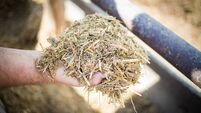
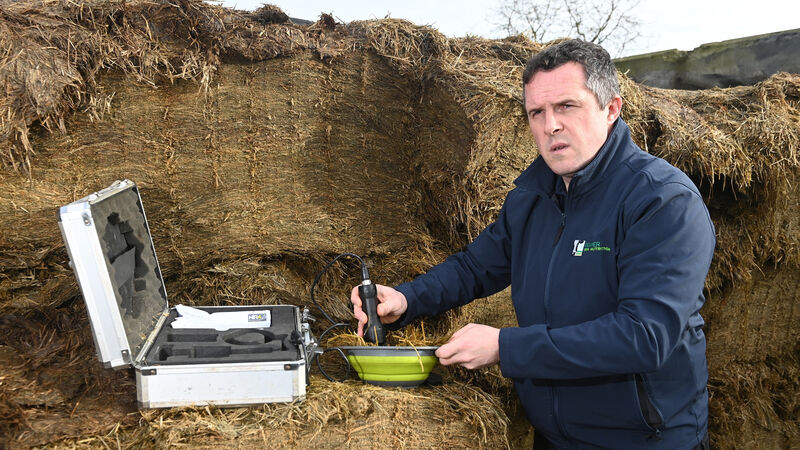
As most silage is now saved, doing silage tests to establish quality, will help you to begin planning specific diets for the winter, writes ruminant nutritionist Brian Reidy. Picture: Eddie O'Hare


Monday, August 28 - Sunday, September 3

All Stock

  • Continue to apply fertiliser right up to the date allowed, as growth is excellent and the ground is in great condition for further good autumn growth.
  • Growth in August has been the best that we have experienced all year in terms of quality and quantity, apart from the fact that dry matters continue to be low as we head into the autumn.
  • As most silage is now saved, doing silage tests to establish quality, will help you to begin planning specific diets for the winter.
  • This will also allow you to plan for what other feeds you will purchase to complement your homegrown feed.

Dairy

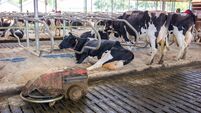
  • Cows that were buffered earlier in their lactation with sufficient feeding continue to milk very well. As grass is low in dry matter, it is still necessary to supplement with concentrates, but more importantly, cows will now benefit from some supplementary forage as a fibre source to help improve rumen function. Many herds now have very loose dungs as the grass lacks fibre. It is amazing the response given by cows with even just 1kg of dry matter supplied from a quality forage such as silage bales from paddocks or some maize silage at this time of year.
  • Autumn calvers are better off in by night once calved as it is the best way to be sure that you are optimising their Dry Matter intake.

Sucklers

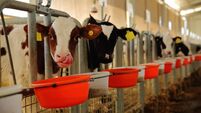
  • Autumn calving is now in full swing-insure newborn calves get sufficient colostrum within the first 6 hours of life.
  • If you are creep-feeding spring calves - make sure that the concentrate being fed contains good-quality ingredients to encourage intake.
  • Get calves to be weaned, castrated, vaccinated and dosed well in advance.
  • Continue to supplement suckler cows with Magnesium licks as nights are a bit cooler and that increases the Tetany risk.
  • Keep a close eye on freshly calved cows to ensure that they have passed all of their cleaning. Cows can get very sick if they have retained any of the foetal membrane. It will have a major effect on her future reproductive efficiency and early intervention is crucial. The more times a cow cycles before you commence breeding, the better chance you have of getting her back in calf.

Growing weanlings and calves

  • Keep dosing up to date - I have seen a lot of stock lately who are long overdue a dose and are showing all the signs of it. They are coughing, and when I enquire, it has been far too long since the last treatment.
  • Coccidiosis is also worth monitoring in spring-born calves. It is easier than ever to get dung sampling done; ask your vet for help. Some vets now have in-house testing equipment.

Compiled by Brian Reidy, an independent ruminant nutritionist at Premier Farm Nutrition.

More in this section

Farming

Newsletter

Keep up-to-date with all the latest developments in Farming with our weekly newsletter.

Cookie Policy Privacy Policy Brand Safety FAQ Help Contact Us Terms and Conditions

© Examiner Echo Group Limited