Signpost: I find it critical to pick out poor-performing ewes at weaning time
I am targeting around 10 grazing days ahead since early June, as I don’t want to let the grass get ahead of me.
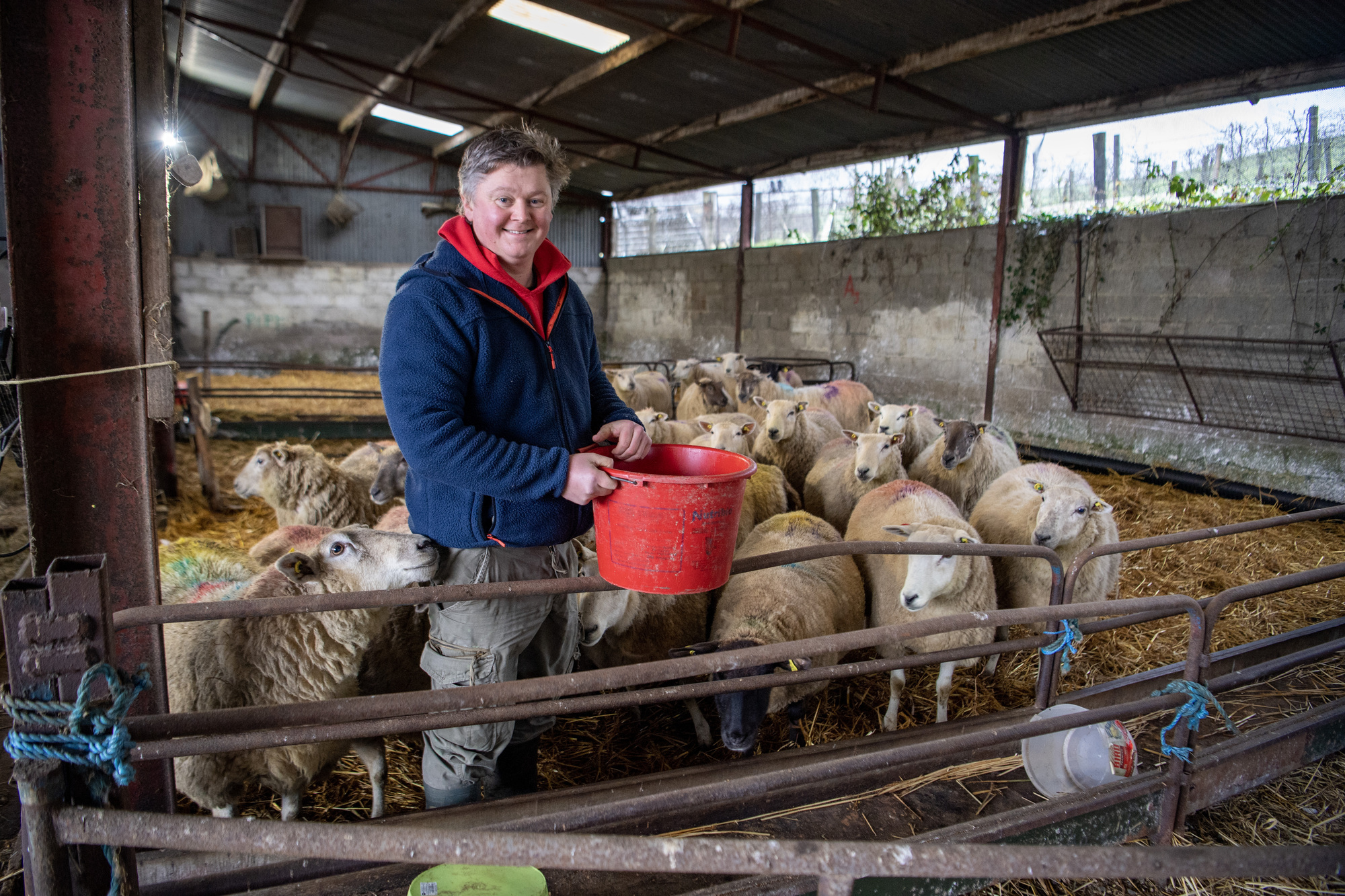
 Des Powell at his farm in Tipperary feeding some suffolk and beclare sheep. Picture: Dan Linehan

Des Powell at his farm in Tipperary feeding some suffolk and beclare sheep. Picture: Dan Linehan

It’s been a busy few weeks on the farm. In the nick of time, we got all the shearing done. I think another few days and we would have had some major issues when the blowfly struck.

Likewise, we got the main silage saved just before the weather broke here. It was cut on the 28th of May, it often slips into early June on me, which is not good for quality. It was a relatively light crop as it was grazed quite late, but I am hoping that should result in good-quality silage. I pitted it all, I had intended to bale some, but it's much handier for me in the pit. I’ll be doing a fodder budget shortly to see how I am fixed for next winter.

I am targeting around 10 grazing days ahead since early June, as I don’t want to let the grass get ahead of me. I find that if I let grass quality decline, lamb performance will be negatively impacted. 

I also hope to get a light dust of 18-6-12 back out on this silage ground in the next few days to help drive on the good fresh grass growth we are currently getting with this broken weather.

We weighed the lambs on the 2nd of May when they were at approximately seven weeks of age. Lamb growth rates were approximately 245g/day. Growth rates are back on previous years with the bad weather in March being one of the reasons. Hopefully, they’ve done well since then—they certainly look like they’re thriving. 

I did a faecal egg count (FEC) test this week and the egg burden is low in the three mobs and they look clean, which hopefully will help keep them healthy and maximise growth. I will also re-weigh the entire lamb flock at weaning, which I hope to do next week. This should give me enough time to get the ewes back in order before the next breeding season. 

Last year I didn’t focus enough on the ewes after weaning to give the thin ewes time to recover condition. So there’s a lot of sheep handling work in the next few weeks, even beyond weaning itself, checking for internal/external parasites, applying anti-blowfly strike treatments, managing for lameness, etc. to reduce the risk of setbacks as the flock transitions to the different groups post-weaning.

After weaning, I will be giving lambs access to the best available grass on the farm, preferably after grass. I will increase the post-grazing height for lambs post-weaning to 5.5- 6cm, using the now dry ewes or the cattle to get good paddock cleanouts.

I find it critical to select out poor-performing ewes at weaning time. I will be checking all ewes for their suitability as breeding ewes to reduce problems and improve weanling rates next year. Luckily, I have a lot of data recorded that helps me make this decision. I look back over my records so that I know the ewes that had issues around lambing e.g. mothering ability, prolapse issue, etc, if so, I will not keep her. 

I’ll also check the mouth to age of the ewe, and identify if she’s undershot/overshot and check the udders for pendulous udder, lumps or lesions and ewes that have had blind teat or mastitis. Any such issues and she should be culled. Lame ewes will be separated from the main flock and treated, if that doesn’t work after repeated treatments they will also be culled.

I hope to have my first batch of lambs ready to be drafted this week for the mart. I will probably skip a week then for weanling and after that draft them to the factory. 

It is important that I maximise the value of every lamb produced. I will be aiming for a weight above 42 kg LW or above 19 kg carcass. I will be weighing all lambs before they leave the farm. I’ll be very careful to observe the withdrawal period after dosing, if I need to dose any lambs and adhere to the clean livestock policy.

But with good grass growth expected and if I can maintain a healthy mob of lambs, I’m looking forward to a good summer of drafting lambs from grass.

More in this section

Farming

Newsletter

Stay ahead of the season. Sign up for insights, expert advice and stories shaping Irish agriculture.

Cookie Policy Privacy Policy Brand Safety FAQ Help Contact Us Terms and Conditions

© Examiner Echo Group Limited