Oats: A crop with more value than the market realises
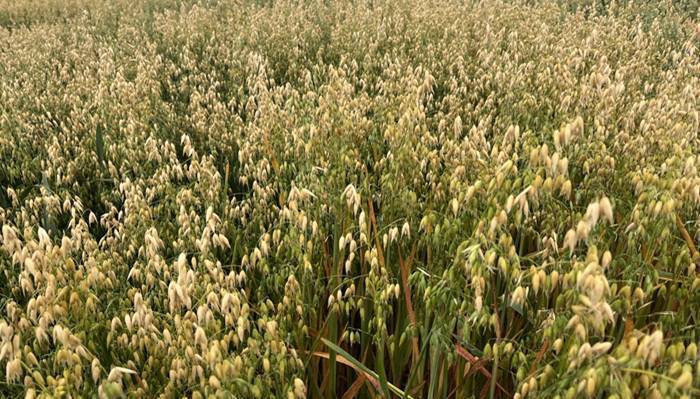
One of the biggest misconceptions in the livestock sector is that oats are inferior to barley or maize as a finishing feed.
Oats are one of the great success stories of Irish tillage. It delivers high nutritional value for both humans and livestock, it suits our climate perfectly, and it consistently produces reliable yields.
Yet this season, many tillage farmers are understandably asking why demand has dropped so sharply. Grain merchants are even considering exporting oats again — not due to a boom in international demand, but rather insufficient demand to use the oats already in the system.


Read

Listen

Watch

Play





Farming
Newsletter

Stay ahead of the season. Sign up for insights, expert advice and stories shaping Irish agriculture.
Farming
Newsletter
Stay ahead of the season. Sign up for insights, expert advice and stories shaping Irish agriculture.


Revoiced
Newsletter
Had a busy week? Sign up for some of the best reads from the week gone by. Selected just for you.
Lunchtime News
Newsletter
Get a lunch briefing straight to your inbox at noon daily. Also be the first to know with our occasional Breaking News emails.
Most Read
Thursday, October 8, 2026 - 8:00 PM
Thursday, October 8, 2026 - 9:00 PM
Thursday, October 8, 2026 - 9:00 PM