Stretching the grazing season: How Tomás is cutting winter costs
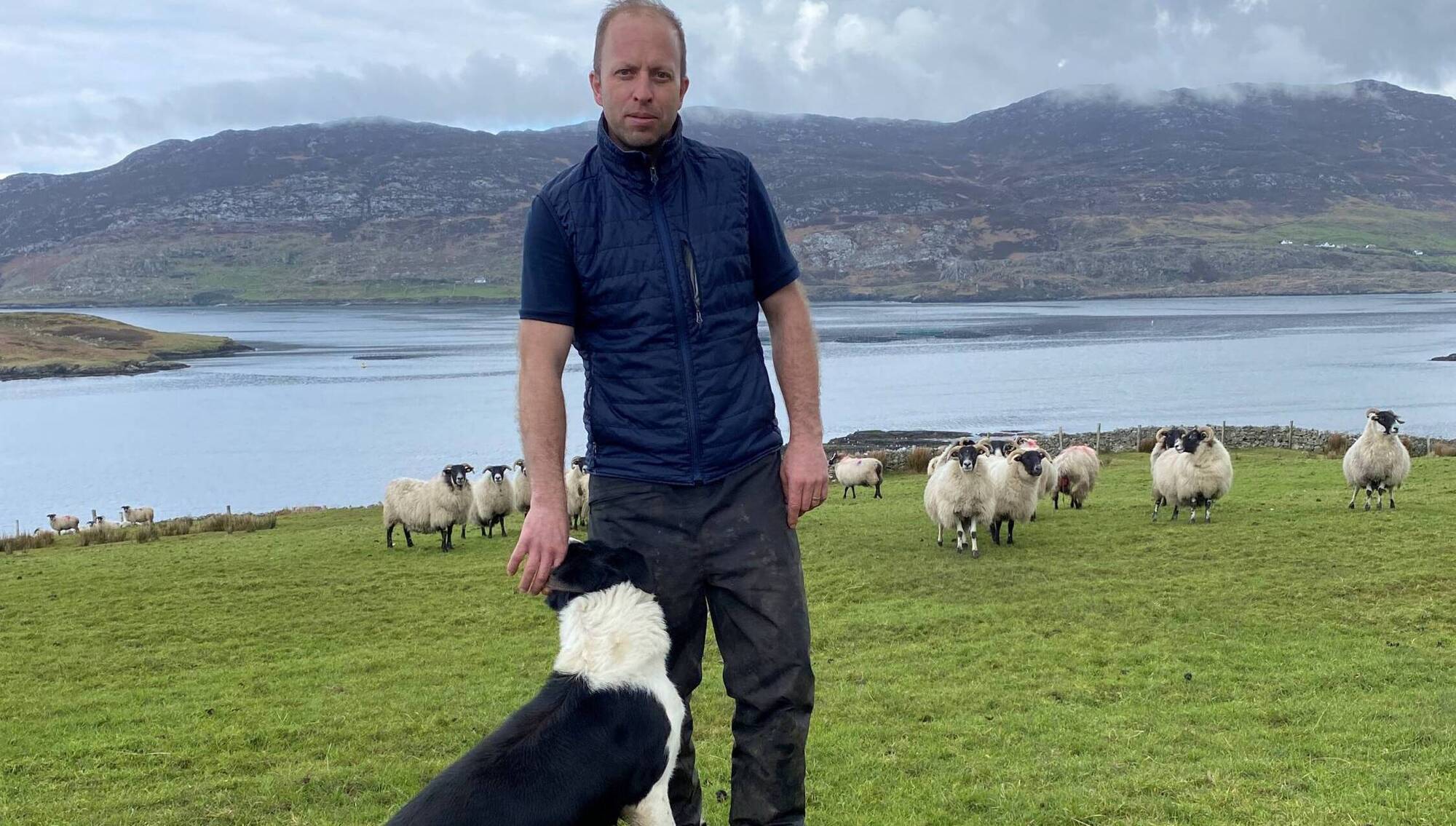
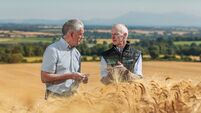
Tomás O'Toole: 'Overall, the farming year has been mostly positive, with good prices for sheep and record prices reached for weanlings this year, along with generally good weather during the key times of the year, namely spring and summer.'
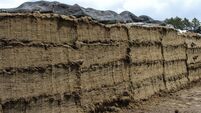
This week, my farm adviser and I took silage samples for analysis. Silage makes up the main component of the winter diet — the quality of silage can be affected by factors such as the cutting date, sward quality and weather at the time of ensiling.
It is important to find out what the nutritional value of the silage you are feeding is. One of the key areas I would look at when analysing silage would be the dry matter digestibility percentage (DMD); this estimates the energy of the silage, as well as expected liveweight gains/milk yields, and aids in planning supplementation rates. The target would be to have >72 DMD%. Last year’s DMD% was roughly around 70% DMD.
In total, I made 200 bales. The poorer-quality silage will be fed to the cows (cows in good body condition score of >3), and I will feed the higher-quality forage to the ewes in the months prior to lambing. Good-quality, high-DMD silage is essential for pregnant ewes, and the amount of concentrates I feed will be based on this information and litter size.
This year, I am also going to graze the lowland ewes out for longer. Normally, I would house them in early December — this will save on straw use, reduce labour, lower machinery costs and cut back on lighting costs.
I will be supplementing them with silage fed via a haybell feeder, which protects forage in all weather conditions and minimises wastage due to trampling and fouling.
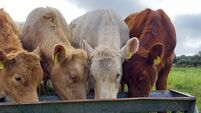
I will also be feeding the cattle out for longer this year — they will be grazing on some of the rougher ground and will be fed 2kg/day of high-quality beef nuts. Ground conditions are holding up well, and I will keep monitoring this to minimise poaching.
I am paying €340/tonne for meal, so keeping the cattle fed on meal and grass will cost me about €1.48/day, taking into account the meal cost and grass fertiliser cost – (2kg × 34c/kg = 68c) (grass -10kg × 8c/kg = 80c).
If they were to be housed and fed only silage, the cost per day would be €2.10, which takes into account the dry matter — (12kgdm × 17.5c/kg/dm). As this is costing me €31/bale to make including fertiliser, and at 180kgDM/bale, this costs me 17.5c/kg dry matter.
The rams are still out with the lowland and hill flocks. The lowland flock started breeding on October 15, with the hill flock starting on November 1. I am using a harness on the rams, which is changed every 13 days — starting with the colours yellow, then green, blue and red.
This helps me keep track of ewes that are mated and monitor repeats or any issues with the rams. Prior to putting the flock out for breeding, they received a fluke dose, mineral drench and mineral bolus. They will also be given another fluke dose (by alternating the fluke product to prevent anthelmintic resistance) and mineral drench prior to housing.
Fluke is an issue on the farm, therefore it is something that I have to monitor regularly. The liver fluke forecast was published on November 17, which advises farmers about the predicted risk of disease caused by liver fluke infection for the following winter.
The prediction is that infection will be most prevalent in the midlands, west and northern half of the country, which is similar to other years. It is something that I will be monitoring.
Overall, the farming year has been mostly positive, with good prices for sheep and record prices reached for weanlings this year, along with generally good weather during the key times of the year, namely spring and summer. I hope this positivity continues into the new year and beyond for Irish sheep and beef farmers.
- Tomás O Toole, of Moyard, Clifden, Co Galway, runs suckler cows in combination with lowland and hill ewe flocks.