Making red clover silage at Gurteen College
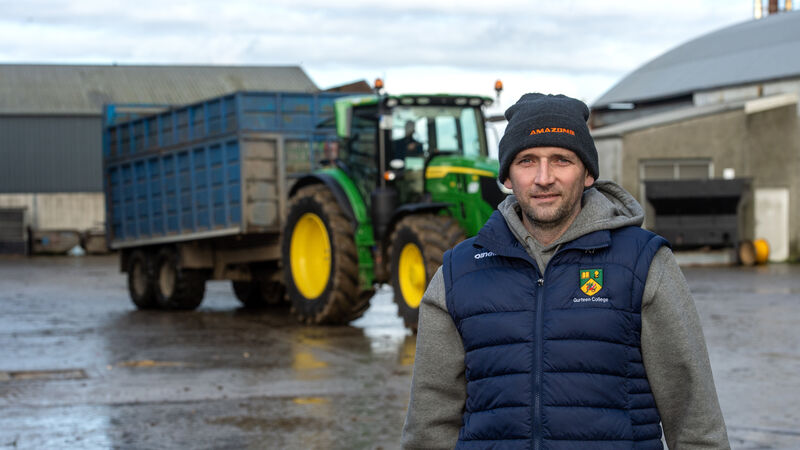
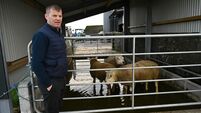
Ken Flynn, farm manager and lecturer at Gurteen College, Agricultural College in Co Tipperary. Picture: Dan Linehan
Traditionally, we reseeded fields with just one kg of white clover in the grass seed mix, but since 2022 we have started including two kg of white clover seed into the mix, and when you think of the number of seeds in one kilo of clover seed, that’s a lot of extra seeds.
After establishment, we cut the nitrogen applications by 50% in the fields with the clover to try to stop the grass from overpowering the clover as it establishes itself.Â
Once established, the reduced nitrogen is continued as the clover should be putting its own nitrogen into the soil. In some of our fields, we have had great establishment of clover. In others where the clover is visibly thinner, I struggle to give any particular reason for this.Â
This stops the cows moving through the paddock picking out the clover first and forces them to eat the grass too in that first strip which helps dilute the clover in her stomach and reduce the risk of clover. So far, we have been lucky and have not experienced any serious cases of bloat due to clover, but we are always mindful of it in the clover-rich swards.
In September 2022, we tried sowing red clover for the first time. We sowed the field with a grass seed mixture, including 2kg of red clover. By the time we sowed it, the fertiliser spreading season was closed, so it had to wait for the spring when we gave it two bags of 10-10-20. This got the growth going.Â
Then, on March 27, we spread another 2.5 bags of 18-6-12 and closed it for silage. That was 65 units of N in total, compared to the normal 100 units we would spread for first-cut silage. It also got 2,500 gallons of slurry, the same as the rest of the silage ground.
Walking the field before mowing silage, there was a lot of clover visible. It certainly felt like there was a good establishment with the red clover growing tall enough that it wasn’t smothered out by the grass, it was clearly visible. We tested the grass in all the silage fields for sugars and nitrogen two days before we mowed.Â
The field with the red clover was fine for sugars, but the nitrogen level was very slightly high, so we gave this field a little extra wilting time. We also use an additive on the silage, and we increased the dose rate slightly for this field to counteract the nitrogen. I am expecting to get some good quality, high protein silage from this field.