Land features which deliver biodiversity benefits
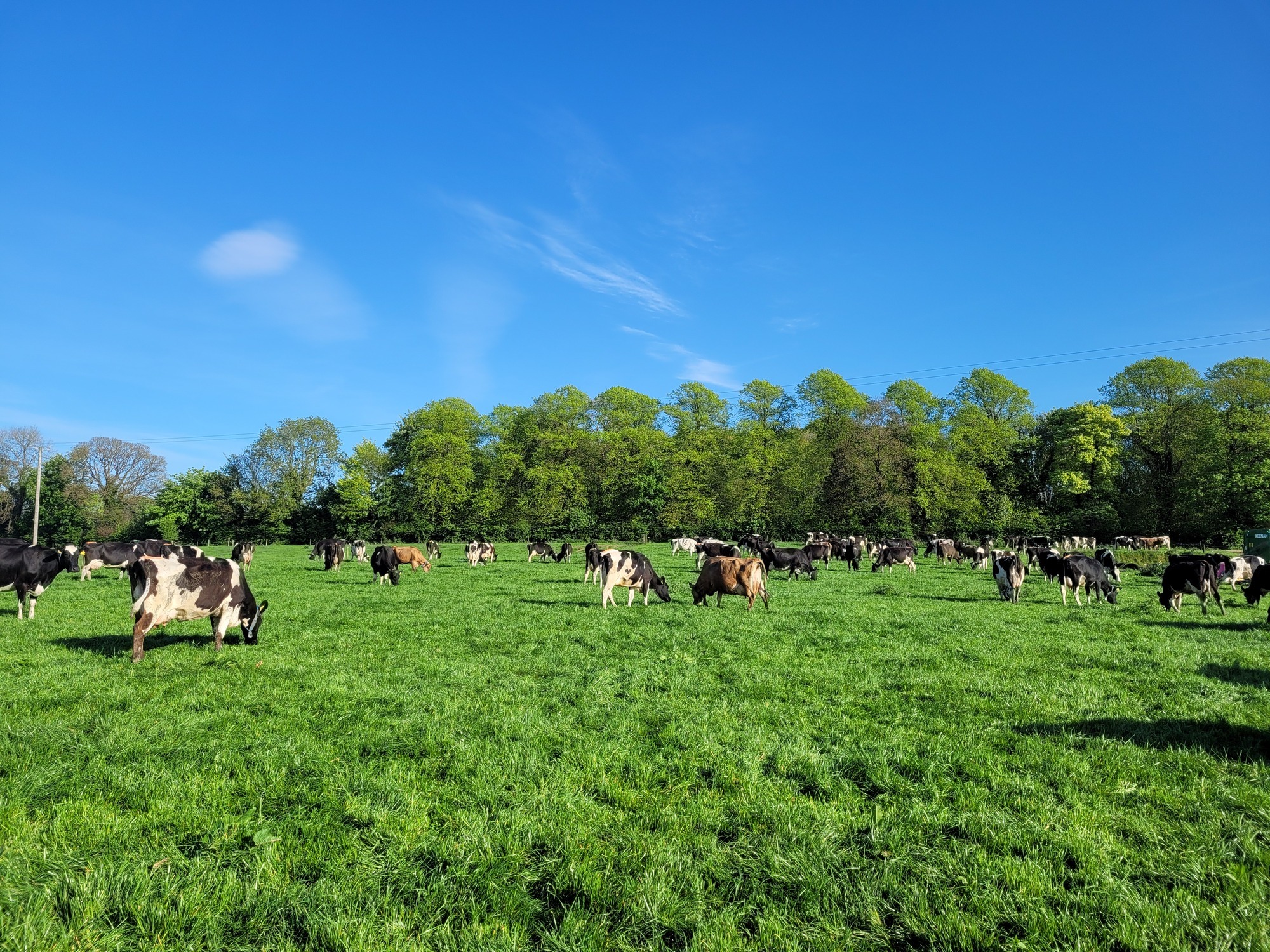
In the new CAP, hedgerows remain a designated landscape feature and are eligible for payment.
Everything you ever wanted to know about eligible areas for EU payments has been published by the Department of Agriculture.
Unfortunately, the date of publication was Monday, May 29, the last day for all farmers to apply without penalty for the new Basic Income Support for Sustainable (Biss) and other area-based schemes.
A farmer must have one eligible hectare to support each payment entitlement in the Biss, the new direct-income support to underpin farmers' continued sustainability and viability. Biss replaces the Basic Payment Scheme.
Any farmer who finds important new information in the new 56-page Guide to Land Eligibility, and who thinks they should make an amendment to their Biss application can do so online at agfood.ie until midnight on Tuesday, June 14, without any penalty.
There have been numerous changes in eligibility, in line with the greening of the EU's Common Agricultural Policy.
Perhaps the biggest change is that land features which help deliver benefits in terms of biodiversity, habitat retention, space for nature, or carbon sequestration (including scrub, trees, woodland, rock, and habitat) can occupy up to 50% of a land parcel without affecting eligibility, provided they do not impact on the agricultural activity that must be taking place.
Such features can be scattered throughout the parcel or confined to a particular area in the parcel. They can be unfenced or fenced off.
Landscape features are all eligible for payment and are considered part of the eligible hectare.
All designated landscape features must be retained, because of their ecological and landscape value.
In the new CAP, hedgerows remain a designated landscape feature and are eligible for payment.
However, if hedgerows have not been maintained, and where the average width exceeds 7m, or where individual bulges are more than 12m, then the feature no longer qualifies as a hedgerow landscape feature but is a beneficial feature.
Rock features have various benefits for biodiversity, including hosting plant species, serving as acoustics and feeding/hunting perches etc for birds, and providing unique habitats, hosting species such as lizards.
Therefore agricultural lands, particularly on the Western seaboard but not exclusively so, can contain rock scattered within grassland areas.
Areas with ferns or bracken (inedible for farm animals) are eligible, with grass underneath resulting in the land being grazable. But ferns with no grass underneath can be considered eligible as a habitat, if their area, combined with other beneficial feature areas, is no greater than 50% of the parcel.
In keeping with EU proposals to rewet reclaimed peatlands, land with paludiculture will remain eligible (this is the use of such lands for forestry, or wetland agriculture such as harvesting reeds, willow, peat moss, etc).
Similarly, areas under riparian buffer zones are eligible for payment, with no reduction required. But they must be kept free of invasive species.
Non-agricultural areas are ineligible for payment. They include roads; paths; buildings; farmyards; quarries; sand and gravel pits; waterbodies such as streams, lakes, and ponds greater than 0.2ha; sand (beaches and foreshore); areas predominately used as sports fields, golf courses, pitch and putt courses; solar panel or wind turbine areas; bog parcels; horse lunging or jumping areas or gallops based on sand; and glasshouses or polytunnels with non-earthen solid floors.
However, farm tracks can be partially eligible, where hardcore was placed but the track greened up and is open to the fields.
Bales stored on gravel or hardcore are included in ineligible features, but bales can temporarily be stored on grassland without affecting eligibility. However, if bales are stored in the same area for a number of years, it will be deemed permanent storage and will become ineligible.
Green waste (bushes) can also be stored in a heap within a parcel without affecting eligibility if the waste plus any beneficial features present add up to less than 50% of the parcel.
Stone walls are considered part of the eligible hectare.
Although water bodies and courses greater than 0.2ha are ineligible and must be marked for exclusion, drains are landscape features and are eligible.
Small ponds of up to 0.2ha are designated landscape features. Therefore a parcel with multiple ponds is eligible without reduction.
Wet or marshy lands which are permanently too wet for animals or machinery to enter are now eligible and can be fenced off, provided the area combined with other beneficial feature areas is no greater than 50% of the parcel.
Every land parcel must have an agricultural activity on it. Each parcel can have a different agricultural activity. For example, maintaining landscape features within an agricultural parcel will qualify that parcel as having agricultural activity.
There is important information in the new guide on merging multiple parcels together, which is allowed in certain situations to enable payment on beneficial features.
Go to gov.ie/en/service/99d45-land-eligibility/ for the full new guide to eligibility.