What's the best way to heat and health monitor my suckler herd?
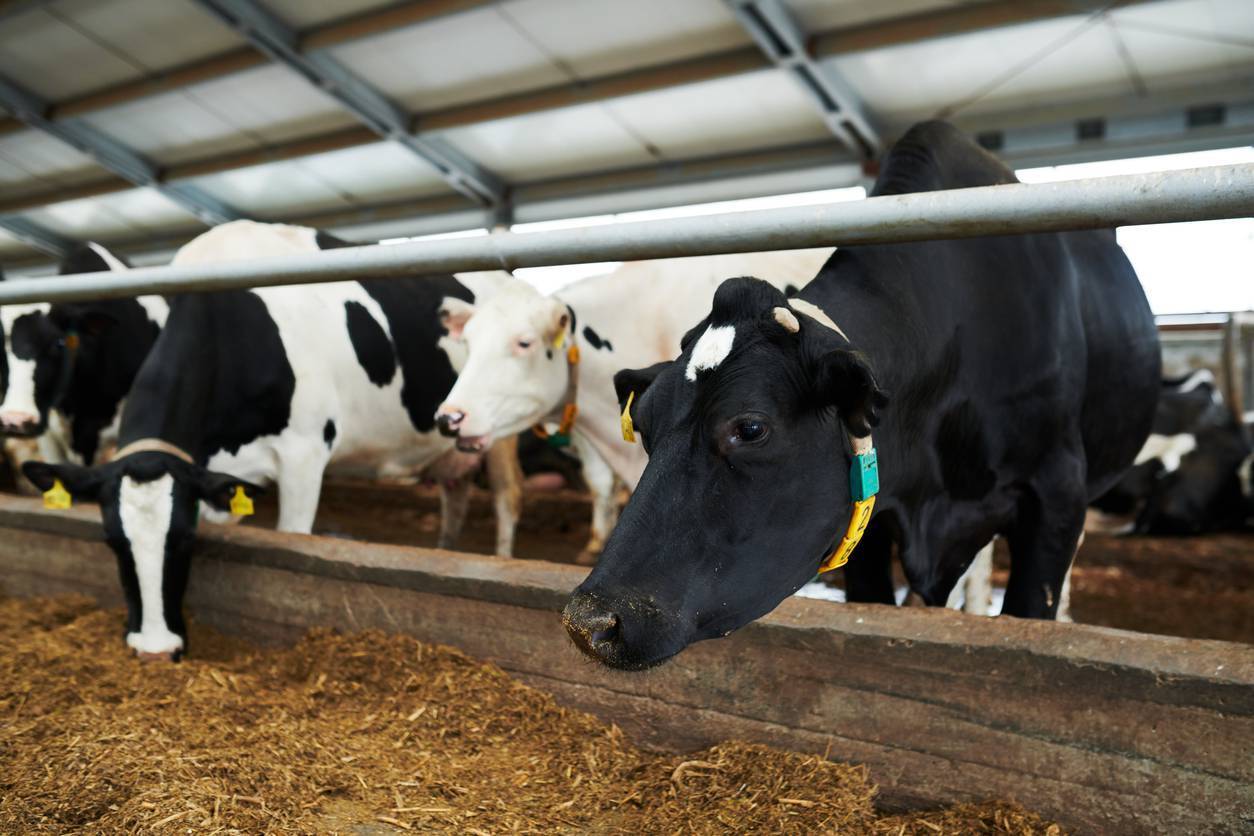
Modern heat detection systems range from collars and ear tags to bolus systems - and all have their merits.
What's the best way to heat and health monitor my suckler herd?

Modern heat detection systems range from collars and ear tags to bolus systems - and all have their merits.

Last week we talked about the breeding season on beef herds and the importance of getting some of the finer details right. Nutrition, reproductive system health, minerals, good feet and heat detection are just some of those important factors that will decide how many calves will hit the ground next season. 

As I mentioned previously, for most suckler herds, the bull is responsible for serving the cows, but AI is becoming more popular for a growing number, and this change is coming around for a variety of reasons. 

Safety is typically a major factor, along with a desire to improve animal quality and produce homebred replacements. AI, as we all know, gives more reliability when it comes to progeny and also the flexibility to use a variety of sires and breeds to match with each cow and heifer. 

The challenge for suckler herds who wish to use AI is very much heat detection and timing of AI. With such a high percentage of suckler farmers having off-farm employment, observation of heat requires help to optimise submission.

Manual systems such as tail paint, scratch pads and teaser bulls will identify a cow/heifer in heat or not cycling but are less accurate if you want to establish the onset of heat for AI timing. They also involve more labour and time observing stock, which may not be possible when working off-farm.

Accurate information for your cows

Presenting a cow or heifer for AI at the best time in their cycle is so important for AI to result in a pregnancy. For a successful breeding season, work must begin well in advance as it is critical to identify non-cycling cows and heifers so that if intervention is required, then it can be done in good time before AI commences. 

For most, pre-breeding heat detection happens during a busy season, when there are still cows calving and stock are heading outside, along with other spring work being done such as slurry and fertiliser. The other issue is the questions of “How long was she bulling?" and "When should I inseminate her?”

Both issues are addressed with heat and health monitoring systems. If the system runs from the time of calving, it will identify cows that are not cycling, allowing you to scan them to establish the problem. Remember that the submission rate is key! 

These systems also identify the onset of heat and give you an appropriate breeding window, with some now identifying a specific window for the use of sexed semen.

Heat detection systems

Technology is being embraced very quickly on Irish farms, and in most cases, we are being helped by TAMS grants to fast-track them into our systems. In recent weeks, this now includes heat and health monitoring systems. 

These have been investments that dairy herds have been using for a number of years. Suckler herds are now looking at heat and health monitoring systems for all of the reasons that I outlined above. But, what is the best approach to take for your herd?

There are plenty of systems to choose from, and all work very well, but some will be more suitable depending on your requirements and infrastructure. You can choose from collars, ear tags and bolus systems and all have their merits.

One factor is that suckler cows do not come back to the yard twice per day for milking, so any antenna for reading data needs to be able to reach the furthest away field and in all directions. 

Some don’t have full 360-degree coverage, and some read longer distances than others. Battery life will vary from system to system too. Most but not all systems will require a good WiFi connection in the yard for the reader. There are now systems available that work with a simple SIM card system on the mobile phone network and access the network with the best signal, meaning it can be installed anywhere there is power, such as outside farms. 

The flexibility of moving systems from animal to animal must also be considered with all systems too. Some collars with buckles are very easy to put on and take off, while tag systems can vary in their difficulty to remove and refit. With the bolus, when the cow leaves the herd, she brings it with her. 

Costs will also determine which system suits you over the lifetime of it on your farm. Payment can be made one-off or on a monthly subscription basis, depending on the system you choose.

Health monitoring

With more part-time suckler herds, the heat detection element is not the only valuable aspect of these systems.

The health monitoring aspects will alert you of cows gone off feed or with poor rumen function so that you can intervene quickly, before they go downhill too far and are harder to achieve a full recovery. A calving alert is also a feature which is available on one system presently. 

They also allow you to assess the efficacy of the diet being fed to the cows as they count the minutes of ingestion and ruminating each day and give you data about each cow versus her daily trends and also versus her herd mates. Alerts are generated if individual cows have dramatic drop-offs in key performance indicators. They can now also assess cow comfort by monitoring the time standing and lying down to better allow you to assess housing and general environment.

Benefits

There is a lot to consider, but the overall benefits of heat and health monitoring systems to the suckler herd are worthwhile and include:

  • Calving alerts in some systems;
  • Post-calving health and reproduction monitoring;
  • Identify dirty, cystic or non-cycling cows;
  • Early warning for lameness and udder health;
  • Accurate heat detection for accurate timing of AI;
  • Diet assessment through ingestion and rumination monitoring;
  • Cow comfort based on time standing and lying.

  • Brian Reidy is an independent ruminant nutritionist at Premier Farm Nutrition.
x

More in this section

Farming

Newsletter

Stay ahead of the season. Sign up for insights, expert advice and stories shaping Irish agriculture.

Cookie Policy Privacy Policy Brand Safety FAQ Help Contact Us Terms and Conditions

© Examiner Echo Group Limited