Reseeding with clover - the learning process never ends, says Ken
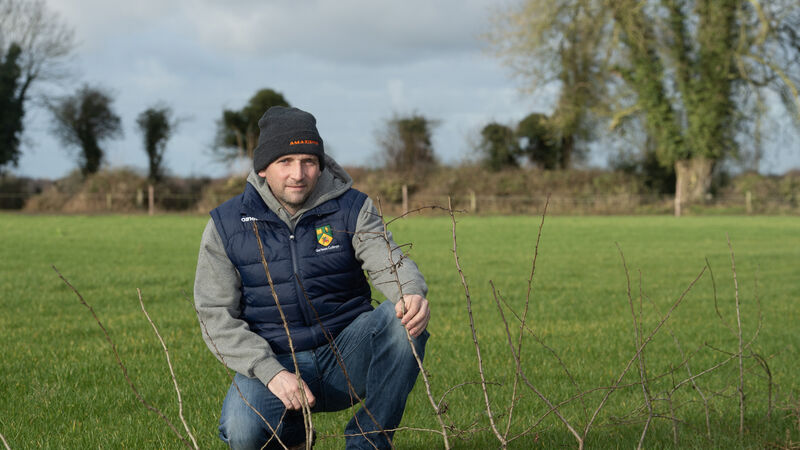
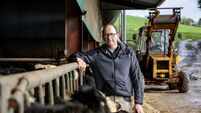
Ken Flynn, farm manager and lecturer has been working to improve the silage and grazing platforms for the dairy herd at Gurteen Agricultural College in Co Tipperary. Picture Dan Linehan
I think reseeding and clover incorporation is an area where the learning process never ends.
In the past, we would have selected our grass seed mix with a kilo of clover in it and honestly, there was little thought given to the clover after that - even though we were well aware of how clover fixes nitrogen.
Probably through a combination of the campaigns to raise awareness of clover and the dramatic price increases in fertiliser much more thought has been given to clover in recent years. In our grazing paddocks that we reseeded in September, we decided to make the move from 1kg of clover to 2kg of clover.
We also reseeded one of our silage fields last September, which had been in cereals for the previous two years. What we tried here was adding 2kg of red clover seed into the grass seed mix.
Red clover is much better able to withstand the silage-making process than white clover, so our hope is that we will manage to sustain the red clover in the silage ground.
As this is our first field with red clover, we still have lots to learn, but our plan is to take an early cut of silage off it and hopefully get a total of three cuts of it; we will then graze it in the back end only, because if grazed too much the red clover will quickly die out.
We have used lots of different methods to reseed over the years, and we have learned they all work. Our two main methods now are plough, power harrow, sow and direct drilling.
Land that needs to be levelled or land that is coming out of the tillage rotation and back into grass will always be ploughed. Ground that doesn’t need to be levelled is sprayed off and direct drilled.
I’ve often heard people debating how one is much better than the other, but I have found the thing that has the biggest effect is the weather around the time of sowing.
We hope our new emphasis on clover content will lead us to reduced nitrogen use and reduced costs, as well as improved sward quality and better soil structure and fertility.
It’s a very short article to be giving advice from, but for anyone who is starting their journey on promoting clover in their swards, I’d say make sure your P and K indexes are right before you start, cut back on your nitrogen fertiliser in those fields to allow the clover to establish, and time would wisely be spent in learning about how to manage the sward to keep the clover in it and how to avoid bloat in livestock grazing clover rich swards.