Irish firm to produce four million 'germ-free' eggs
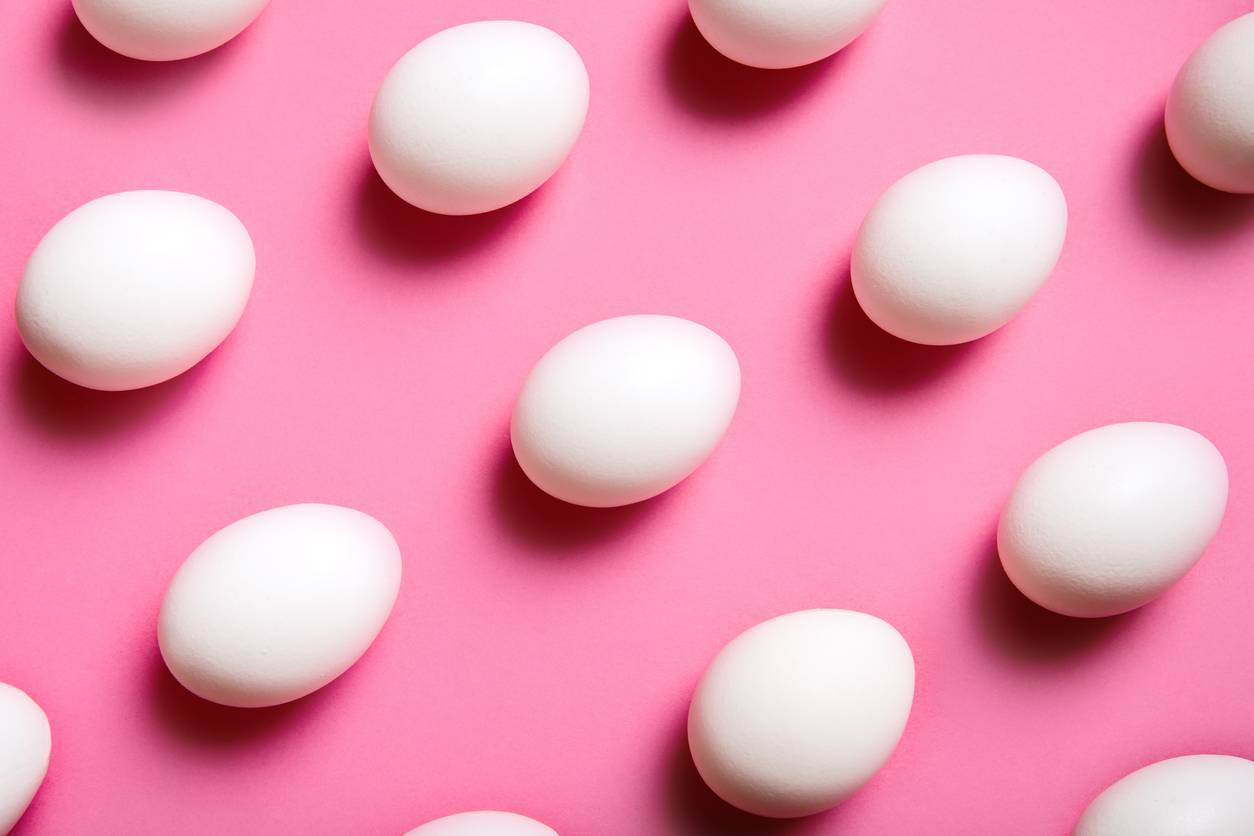
The company has said it expects to produce up to four million eggs a year by 2026-27, taking revenues to €42m. File image.
The most valuable eggs in Ireland could be produced by Ovagen, the Co Mayo biotechnology company that has developed the world’s first 'germ-free' eggs, for use in vaccine manufacture and other pharmaceutical and research applications.
The company has said it expects to produce up to four million eggs a year by 2026-27, taking revenues to €42m.
Ovagen expects to increase its workforce from 12 to 75 by 2026.
As the world comes to grips with covid and future pandemics, enormous demand for vaccines is expected.
Fertilised hens' eggs play a central role in vaccine manufacture, with an estimated more than one billion eggs a year used by vaccine manufacturers, a market predicted to grow by more than 8% per year.
Viruses are injected into the eggs to propagate the virus, which vaccine manufacturers can then use to develop vaccines for diseases including the flu, yellow fever, mumps and measles. However, about one in five eggs become contaminated, leaving the vaccines they create unfit for use.
Ovagen, headquartered in Ballina, has succeeded in producing a world-first product that can significantly boost the global production of vaccines.
Ovagen co-founder and chief executive Dr Catherine Caulfield explained: “Prior to Covid, more than one billion eggs were required for vaccine manufacture, and this figure is set to increase substantially. Ovagen’s superior-quality, germ-free eggs will set a new gold standard in the market and the biology of germ-free eggs may also allow much greater viral yield to produce certain vaccines.”
Helped by multi-million euro EU research support and shareholder-matched funding, plus "business angel" investment, Ovagen has developed the world’s first 100% bacteria-free eggs for use in the production of human and animal health vaccines, biotechnology applications, and cutting-edge scientific research.
Support from Enterprise Ireland also played a critical role. Funding also came from the Western Development Commission.
Up to now, eggs produced from clean or Specified Pathogen-Free laying flocks are free of many bacteria and viruses, but they are not germ-free, and a significant proportion become contaminated with bacteria.
Germ-free eggs provide many advantages over current sources of eggs, including a safe, biosecure, large-scale, flexible and cost-effective bio-manufacturing platform for the production of vaccines and therapeutic proteins.
As the first company in the world to produce commercial quantities of germ-free eggs, Ovagen was awarded €10m of funding by the European Commission. Plans are in place to build two additional germ-free production facilities and a logistics building to scale up production.