Two in five farmers have no formal successor as ageing demographics fuel looming succession crisis
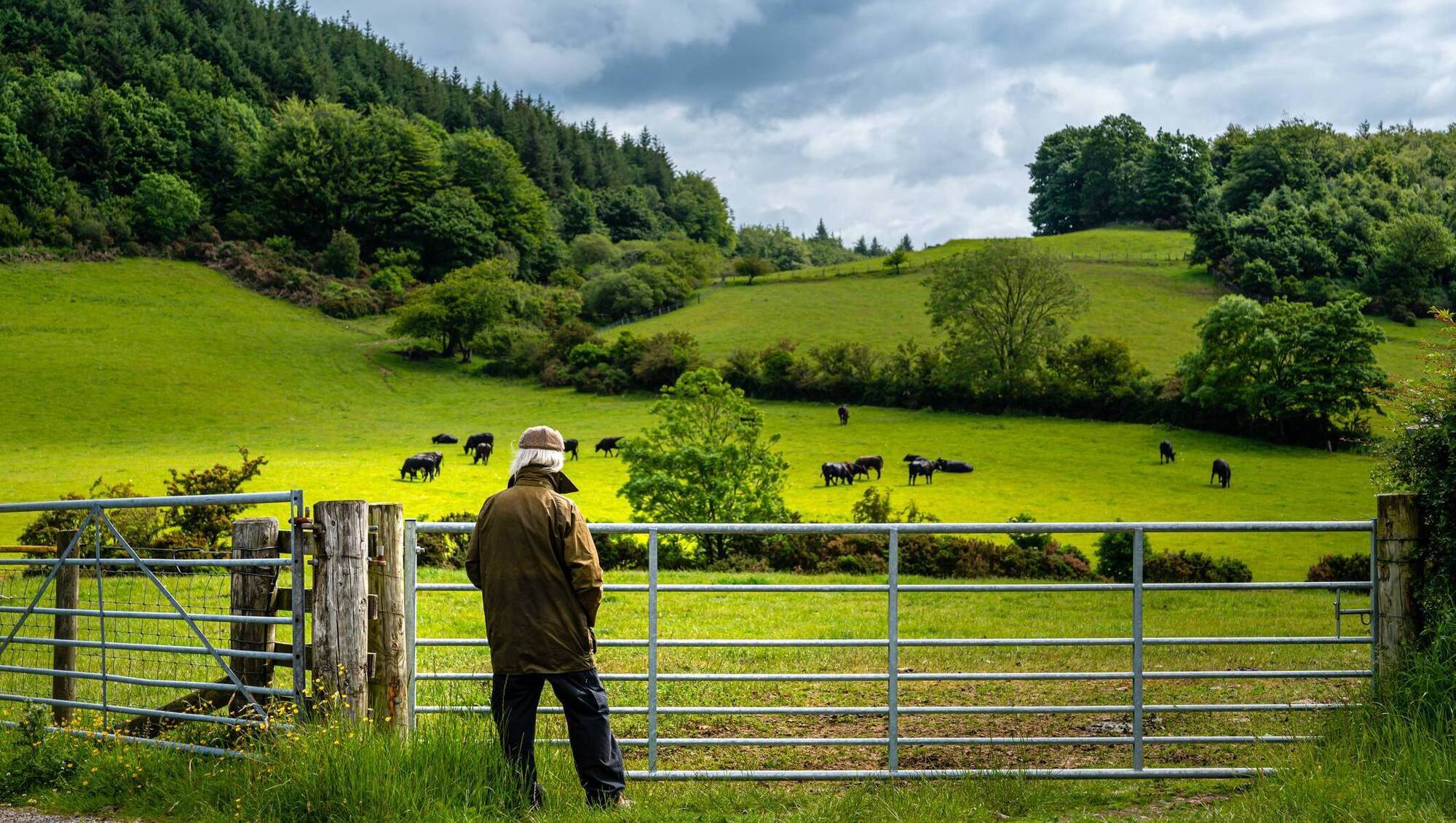
Two in five farmers have no formal successor for their business.
Two in five farmers do not have a formal successor for a farm, according to the latest Irish Farm Report.
According to the Irish Farm Accounts Co-operative Society Limited (ifac) latest Irish Farm Report, two in five farmers have no formal successor, with one in five farmers reporting to have no successor at all, and an additional one in five farmers have no formalised decision.
Ifac published the alarming results, highlighting that the ageing farming population, with only 7% of survey respondents aged under 35, succession planning proves to be a critical ongoing challenge for farming families.
Via the report, 26% of farmers agreed that the top barriers to succession and its planning are the business viability of agriculture and the lifestyle not being appealing to the next generation.
Farmers in a partnership are more likely to have a succession plan in place, with 52% of farmers in a partnership having identified a farming successor. Of those farmers without an identified successor, over a quarter (28%) would consider leasing out land, and a further 25% would scale back their farming operations.
The report also found that two in five farmers have no Will in place, one in four farmers have no private pension, despite three in five farmers reporting that they would feel having a personal pension helps in succession planning, underscoring the urgent need for planning.
Irish farmers who responded to the survey say confidence in the sector is on the rise, with 61% reporting a positive outlook, an increase from previous years and the highest rate in the last five years of the survey.
Ifac CEO, John Donoghue, commented: “Farming in Ireland is increasingly difficult and complex; there are many challenges in producing great food, managing red tape, and staying in good financial shape.
The biggest source of frustration for Irish farmers is the amount of rules, regulations, and bureaucracy involved in farming (48%), a concern that has risen to the top again this year, closely followed by input or output prices (44%), a major issue voiced consistently for the past five years, according to ifac.
One in five farmers also worry about balancing their farm demands with off-farm jobs.
Despite these stressors, 67% of respondents intend to remain in farming over the next 5 years, and 23% are unsure, which is an unchanged figure from last year.
The ifac report also exposes a significant blind spot in farming finances amongst respondents, with 70% of farmers who admit they don’t prepare budgets. On top of that, one in three farmers is unaware of their potential tax liability for next year.
Despite one in four farmers having no private pension in place, a third are unsure or not confident that their pension will provide sufficient retirement income. However, 1 in 10 are actively planning to invest in private pensions this year.
Regarding employees, 32% of farmers are unfamiliar with the upcoming auto-enrolment pension scheme. While 31% understand the need for it, they express concern about the associated costs for their businesses.
One positive area is the adoption of technology, where some farmers are seeing benefits in improved productivity (36%) and better decision-making (28%). Of all the emerging technologies, including AI and robotics, 44% state that renewable energy technology (e.g., solar, wind) will have the biggest impact on farms in the next 5-10 years.
Other key takeaways include 30% stated they are building cash reserves, with 1 in 3 spending on capital expenditure. Nearly half (43%) of respondents have used technology to minimise chemical input on the farm.
The majority (93%) of farmers would encourage someone interested in farming to pursue an agri qualification, and 84% of farmers with non-family employees rely on word of mouth for recruitment.
Looking specifically at dairy farmer respondents, 1 in 2 farmers see grassland infrastructure as their number one investment, followed by 2 in 5 farmers who said slurry storage would be their priority.
Over a quarter (28%) of dairy farmers who do not have a successor say they would consider share farming or a partnership as an option going forward. An increase of 5% on last year’s figure, 35% of dairy farmers claim the lifestyle is not appealing to the next generation.
One in five dairy farmers are unaware of the impact that 2025 profits will have on their tax bill for 2026, and 61% of dairy farmers say the biggest challenge for their farm is rules, regulations and bureaucracy, followed by 47% saying input or output price.
Among beef farming respondents, 28% said they were planning to transition the farm to the next generation, and one in three said the biggest barrier to succession is business viability.
Optimism for the future of the sector is the highest it has been in the eight years of the survey, with 57% of beef farmers saying they had an optimistic outlook for the sector. Following that, 25% of beef farmers would like to increase the number of animals.
A large majority of beef farmers (84%) said that the sector would be marginal or unviable without subsidies.
If subsidies were removed or reduced, beef farmers would: one in three would reduce their animal numbers, one in four would seek more off-farm work, and one in six would leave the sector entirely.
Within the sheep farming respondents, 17% reportedly said they were unsure if they would be farming in five years. Citing the main challenges to the sector being input or output prices at 44%, second was rules and regulations at 33%, and the third largest challenge was balancing off-farm employment at 30%.
One in three sheep farmers has not identified a successor yet, 36% say the biggest barrier to succession is business viability, and 72% said the business would not be viable if subsidies were removed, with one in three saying they would have to exit the sector if subsidies were reduced or removed.
Five in six tillage farmers stated via the survey that input and output prices were their biggest challenges for their farm in 2026.
One in four tillage farmers have not identified a successor, with one in two of this cohort saying they would consider leasing lands as an option.
Optimism is very low, with only 1 in 3 saying they are positive or very positive for 2026 and 30% stated business viability biggest challenge to succession.
Only 14% of tillage farmers are looking at increasing area in 2026, 14% are looking to decrease area, and 72% are hoping to maintain land area.