New £2.5m oilseed rape project launched in the UK
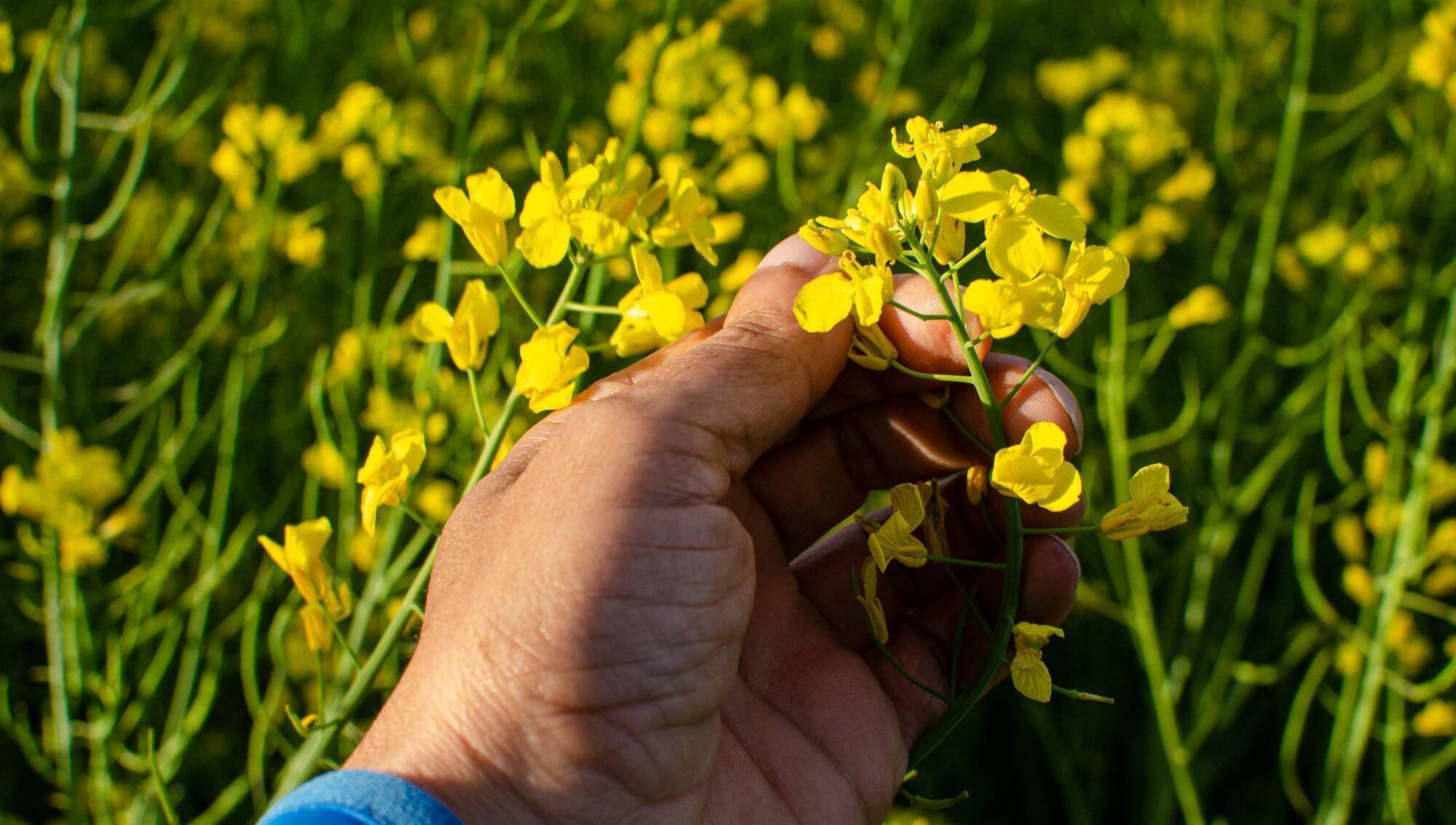
The new project will run over three years and include on-farm trials.
A £2.5m (€2.9m), three-year project bringing the first precision-bred oilseed rape onto commercial farms in Europe has been launched.
The project: ‘Light Leaf Spot Enhancing Resistance And reducing Susceptibility with Editing’ brings together farmers, plant breeders, crop scientists and agronomists to tackle light leaf spot, using precision breeding alongside new disease-management tools.
Light leaf spot has become the number one disease threat to UK oilseed rape, with yield losses estimated to have risen from £94m in 2017 to more than £300m in 2022.
Despite widespread fungicide use, control has become increasingly unreliable as pathogen populations evolve and resistance to azole fungicides spreads. At the same time, currently available varieties struggle to offer strong, durable resistance.
The project aims to change that by delivering oilseed rape varieties with reduced susceptibility to light leaf spot by utilising precision-breeding techniques that accelerate the introduction of beneficial traits without introducing foreign DNA.
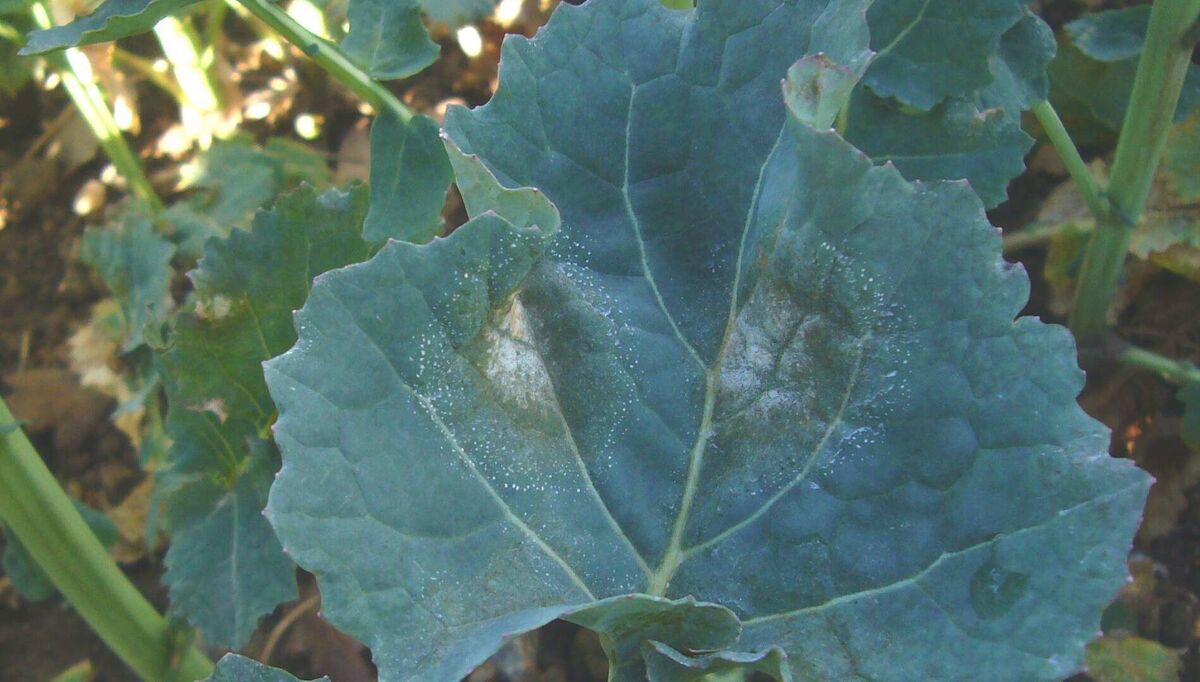
At the heart of the project is a newly identified plant susceptibility gene. By switching off this gene using precision breeding, researchers have shown it is possible to reduce the ability of the light leaf spot pathogen to infect the crop, offering a more durable form of protection than traditional resistance genes that pathogens can quickly overcome.
The project will facilitate farmer-led field trials on commercial farms, supported by real-time disease forecasting and decision-support tools.
“This project is game-changing for farmers,” says project lead Tom Allen-Stevens.
“It will put precision-bred oilseed rape technology onto their farms for the first time across Europe.
"This is combined with risk forecasting and a new decision support tool that will bring growers effective disease control that is truly risk-based and data-driven. That is the reboot the industry needs, and that is what will help reverse the decline in the crop’s planted area.”
Professor of plant pathology at the University of Hertfordshire, Yongju Huang, said: “For airborne diseases like light leaf spot, information on timing of pathogen spore release and virulence in pathogen populations is essential for effective disease control… This project will develop an evidence-based real-time decision support system for farmers to achieve effective disease control and reduce the reliance on chemicals.”
Alongside the new varieties, the project will deliver a farmer-led delivery platform designed to support the adoption of precision-bred crops.
This will include new disease-management tools combining weather data, pathogen monitoring and on-farm trial results to guide fungicide use more accurately, reducing unnecessary applications while protecting yield.
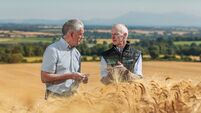
The project will allow farmers play a central role through on-farm trials across England, feeding results directly into a grower-led knowledge exchange network. The approach is designed not only to bring the first precision-bred oilseed rape varieties to commercial farms but also to establish a pipeline for future traits.
This will include resistance to other diseases and pests such as cabbage stem flea beetle, which is widely reported as a major limiting factor for UK oilseed rape growers.