Hazell Mullins: Vet-tested tips to keep your youngstock as safe as calf houses
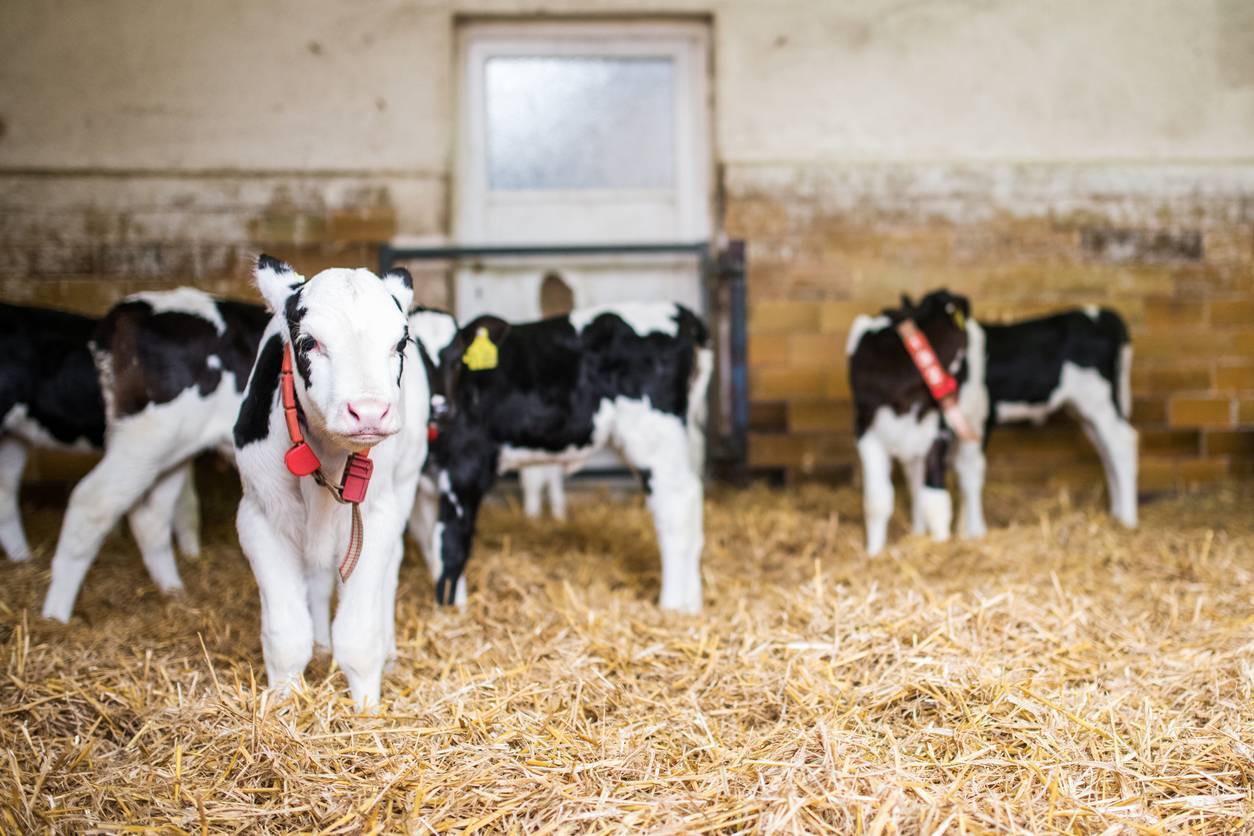
Farm vet Hazell Mullins explains the 'knee test', checking ventilation and the other tools in her box to assess your calf house.

This past week in both work and on the farm has been somewhat “calfinated”.
Indeed, lots of caffeine was drunk also, one of my top tips for spring survival for both vets and farmers is drink lots of good coffee. Remembering it is important to take little breaks when you can during this busy season - it’s not just the calves that need minding.
At home on the farm in Carrignavar, we had two new first arrivals on the farm this week.
I had forgotten the joy that the first calf can bring, but also the pandemonium that follows.
The first cow was 10 days early and we were taken a little by surprise with a last-minute exit from the cubical shed to the calving box.
I wrote about preparing for calving three weeks ago, and I must say, that no matter how prepared you are, it’s only when that first calf arrives safely on the ground, that you think of the few things you may have forgotten - at one point, there was an ‘SOS’ out for an iodine bottle.
However, when calf number two arrived two days later we felt much more ease, and it was second nature to us again.
A friend’s little girl visited our first calf born on the farm who was officially named ‘Erin’ in her honour.
Highfield Veterinary hosted a fantastic calf health workshop for recent graduated vets on a farm in Dublin last week.
John Donlon from Teagasc was the main speaker on the day and kept us all on our toes with a very interactive workshop.
It’s all about getting the basics right when thinking about a calf shed and how small improvements can make a huge difference to calf comfort and subsequently health.
It is important to think about stocking density as its directly linked to infection pressure.
I like to aim for at least two meters squared per calf, which we can easily calculate using the ‘measure’ app on an iPhone – it was news to me that it even existed.
It’s was a simple calculation of multiplying the width by the length of the area the calves are actually present - not including the dead floor space, of course.
We also calculated an air outlet requirement of 0.04m2 per calf and an air inlet of three to four times the outlet requirement.
Then the beehive smoker came out, and the function of the air inlet was assessed, which was a lot more targeted than the traditionally used smoke bombs.
It was a particularly calm day, and the smoke swirled aimlessly around the inlet, not travelling very far into the shed.
The conclusion was that more air outlet space was required in the roof with upstands to help with the positive pressure to draw the air out of the shed.
The added bonus of stock board is that is smooth and easy to clean also. Putting rubber skirting under gates in the passages can also limit scour spread whilst also having the added benefit of reducing draughts.
There is a fine line between fresh air flow and draughts, I find getting down to calf level a great way of assessing draughts, and you should feel air moving though the shed when standing.
Whilst we are down at calf level, it’s a way of assessing bedding density and drainage. If the bedding is wet, it acts as a medium for pathogens, whereas fresh air acts in the opposite way as a natural disinfectant.
The volume of straw is so important for calves as it acts as a thermal insulator.
We use a nesting score of 1-3, with three being the best to quantify the amount of straw needed.
The main indicator of the score is based on the amount of the calf's legs that are visible above the straw.
With a score of 3, you would it should be a struggle to visualise the legs of the calf, and this is our aim.
A calf’s lower critical temperature is approximately 15 degrees at birth, meaning below this temperature, they are using up energy to keep warm. Day by day, this critical temperature decreases by half a degree to reach five degrees by day 21.
In addition to straw, jackets are a relatively new addition to our farm for added calf comfort.
We make sure to invest in jackets that are both breathable and washable at 60 degrees to reduce disease spread.
After the week’s calf-based activities, it’s given me food for thought about the comfort of our own calves, and my mind is already thinking of improvements to make for next spring - but for now, all we can do is our best.
- Hazell Mullins BVM BVS, is a large animal Vet at Highfield Veterinary Group.