Hazell Mullins: 2023 scour prevention starts now
Sick calf

I call this time on our farm the “calm before the storm” - that storm, of course, being the calving season and not another weather warning, which have become too accustomed to since last October.
I find myself looking for pre-calving preparation jobs to do once the cows are looked after for the morning. As a vet, I naturally gravitate to tasks on the farm that help promote animal health and which are plentiful during this pre-calving time.
It’s a time when our preparation skills and attention to detail on-farm can really set us up for a healthy calving season - both for humans and animals!
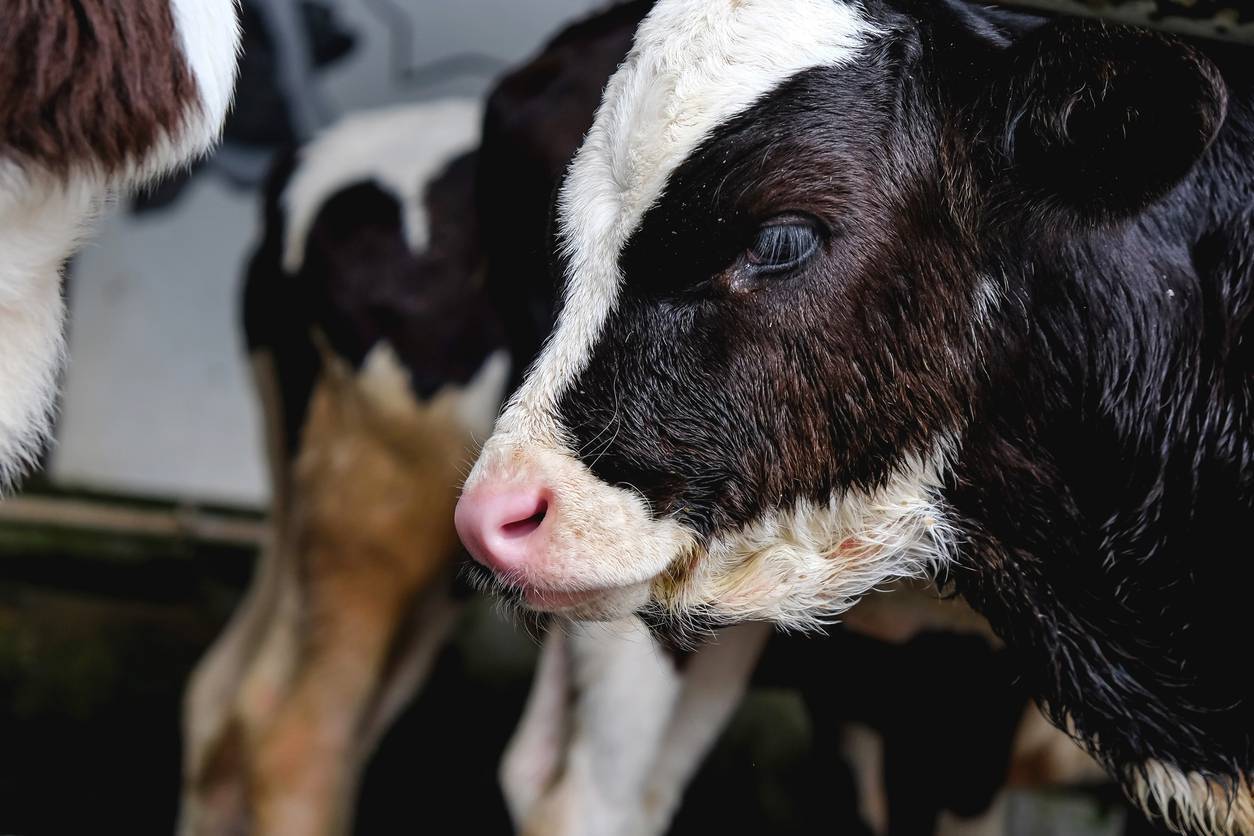
Calf scour is one issue we can certainly try to reduce the incidence of during this pre-calving period.
Scour testing is part of my calf health toolbox, which is vital to tell what pathogen is causing the scour on your farm.
Make sure to remove all organic matter prior to applying the disinfectant. I personally find power-hosing calf houses a very stratifying job - just don’t forget the heavy-duty overalls!
It may sound obvious, but always read the label of any product for the exact mixing concentrations required and also contact time, as this is vital to its efficiency.
Make sure the walls of the calf shed are also disinfected, as pathogens can live in the cracks in the concrete.
I also started on the task of disinfecting the mound of calf feeders and buckets, firstly scrubbing with washing-up liquid and then moving on to a soak in the household staple Milton.
Anyone that knows me would probably say I have a slight shopping addiction, and that’s not confined to clothes but also goes for calving season equipment.
I love nothing more than to browse the shelves in the local farm supply shop to see what can make my life easier and also help promote the health of the calves.
A new purchase of mine this year was a second easy tube feeder for any sick calves. It’s important to have a second batch of feeding equipment for sick calves to prevent the spread of diseases, like scours.
I also bought a new pair of wellies specifically for the calf house that are left on a rack inside the door to reduce the exposure of harmful pathogens originating from adult animals on the farm.
Other items for the shopping list would include a refractometer for colostrum quality measuring, handy colostrum storage bags, spare teats and calf jackets, making sure that are easy to wash between calves and breathable.
This week we also vaccinated the in-calf cows with a scour vaccine against Rota-virus, E-coli and Coronavirus, which allows the cows to produce antibodies which are then transferred in the colostrum to the calf.
Timing is everything with scour vaccines, and must be given in the window of three to 12 weeks before calving. If cows are due to calf after the 12-week point at the time of injection, they need to be injected at a later stage but not less than three weeks before calving.
Batching these late-calving cows is essential to the efficacy of the vaccine and if well worth the extra time and calving date analysis that is required.
Make sure to keep vaccines stored correctly - come straight home after purchasing and place them in the fridge door shelf, if possible, to avoid over-chilling at the back of the fridge.
I am proud to say that our farm the combination of using a scour vaccine and other hygiene preventive measures has dramatically reduced the incidence of scour on the farm.
At the beginning of this month, I attended a webinar hosted by both Dairy Women Ireland and Animal Health Ireland, and it was a super refresher on calf health.
Also, a timely reminder that Animal Health Ireland is still running its 'CalfCare' on-farm events until the end of January - you can check out animalhealthireland.ie for more details!
- Hazell Mullins is a large animal vet at Highfield Veterinary Group.