Karen Walsh: How do we divide land between our two children who don't get along?
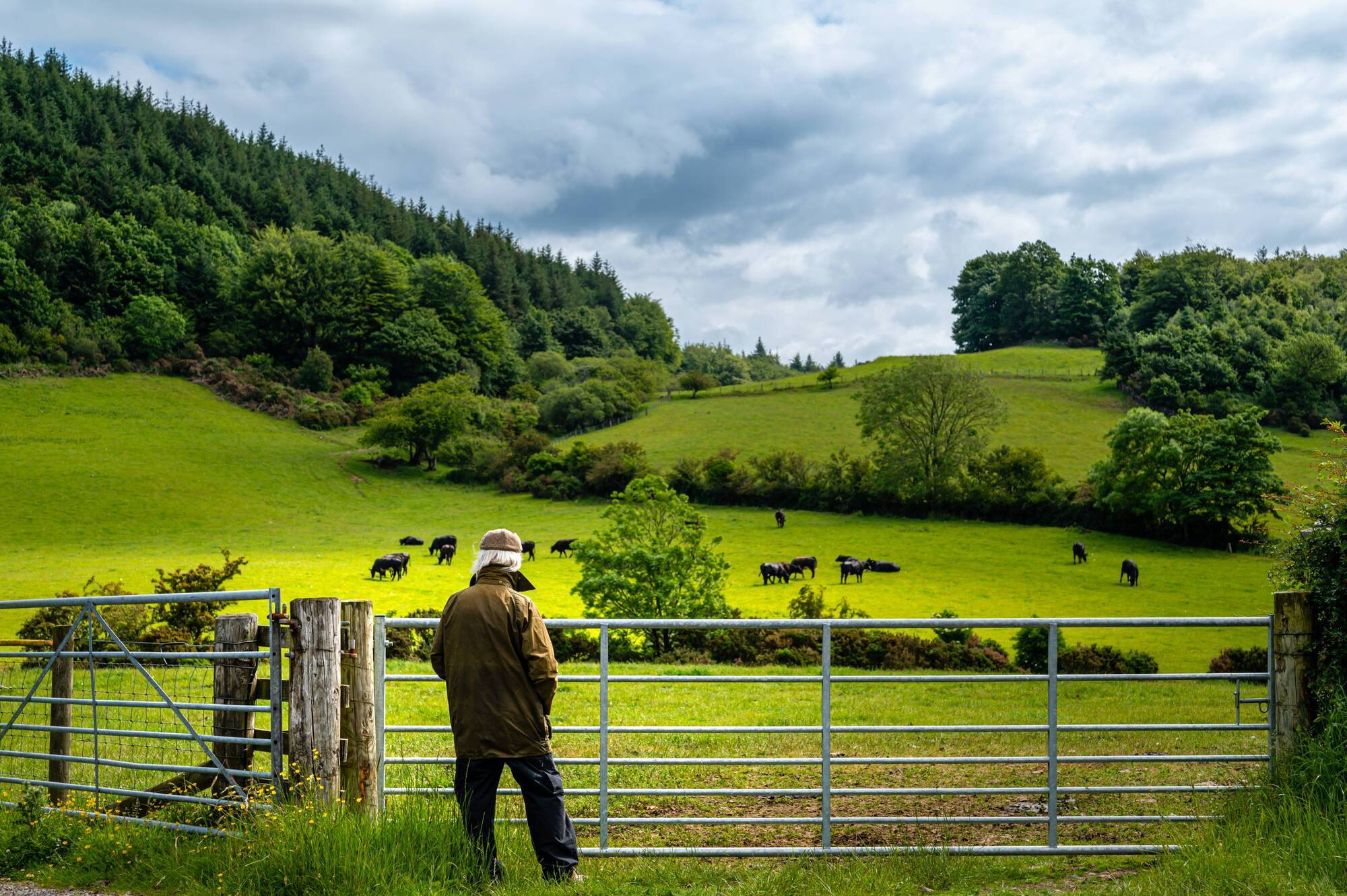
You could place the land on the market for sale or direct in your will that the land be sold and the proceeds divided between them equally.

Dear Readers,
I am sorry to hear this. It is always difficult when family members do not see eye to eye, especially your only two children. When someone owns land with another person or many individuals own it together it can lead to disagreement about what should be done with it, how it should be sold, at what price, or when one person should buy out the other. This is typical when there are multiple owners.
There are a number of options available to you — the most obvious option would be to physically subdivide the land if that is possible, depending on the land, between your two children so that effectively each would own a portion in their own name. There are no hard and fast rules in relation to this type of situation.
It may not be possible to divide land between your two children with an equal value but it might be the best solution to the situation you are in so that each of your children own the lands exclusively and can do with it as they wish for example rent it, sell it, gift it to a child etc.
An engineer would need to be appointed to mark Land Registry-compliant maps together with any appropriate rights of way or rights to water or drainage that may be required for the benefit of relevant land over the other portion of the land.
Obviously, there is another option available in that you could place the land on the market for sale or direct in your will that the land be sold and the proceeds divided between them equally. This may not be what you would like to happen as in you might wish to keep the land in the family but it is an option that you should consider where neither child is interested in farming. Your children could each take their one-half share in the sales proceeds from the sale of the land and do with it as they wish.
You also have the option of placing the land in their names as tenants in common in equal shares but the difficulty is, it does not confirm exclusive right in respect of any part of the co-owned land on them. The difficulty of holding lands in tenants in common is that both of your children would need to agree on what to do with the land ie, rent it, sell it, farm it, etc.
If they disagree, one co-owner can effect a partition or court sale through an application to the court without the need for the consent or agreement from the other co-owner. This allows at least one of the individual owners to petition the court to divide the property and force a sale.
This process is time-consuming and expensive. In many cases, however, family is unable to agree or communicate in any fashion that would allow the matter to proceed uncontested and therefore the partition proceeding is necessary in order to force the sale on behalf of the uncooperative or disagreeable owner.
Ideally, it is best if all parties could agree on what to do with the land but more often than not, the more people who have an interest in particular lands, the more scope there is for disagreement.
- Email: info@walshandpartners.ie - Web: www.walshandpartners.ie
- While every care is taken to ensure accuracy of information contained in this article, solicitor Karen Walsh does not accept responsibility for errors or omissions howsoever arising, and you should seek legal advice in relation to your particular circumstances at the earliest possible time.