What tax changes farmers can expect in the upcoming budget
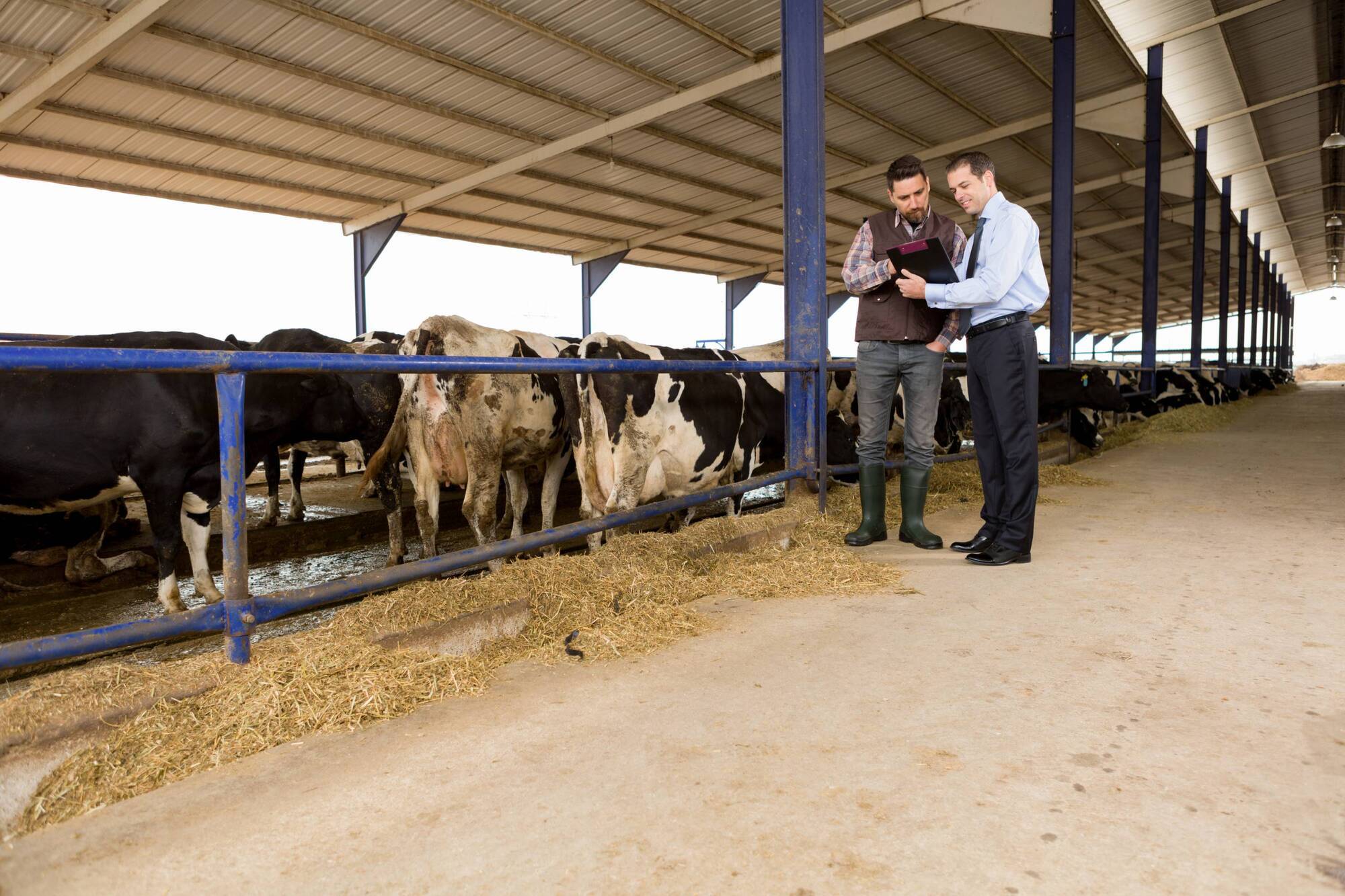
Presently, a farm or farm business worth up to €3.25m can be passed tax-free to a child.
The Tax Strategy Group published its papers last week, which outline a variety of tax policy choices for the Government to chew over in framing the budget choices for 2023.
Singularly, the biggest concession afforded to the farming sector is the capital allowance regime which allows farmers to write off the cost of machinery and farming buildings against their taxable income, with the tax forgone at over €540m for 2019.
However, the second most important tax relief for farmers is the ability to pass on farming businesses with the benefit of agricultural relief or business relief.
Statistics produced by the Revenue Commissioners highlight that the tax forgone from agricultural relief benefited 1,413 farmers, who received gifts or inheritances of land to the tune of €159m in 2019.
The importance of business relief has come into focus much more so in the past decade, as a plethora of farming businesses have incorporated.
The transfer of a farming company cannot benefit from agricultural relief, and as such, business relief is the only show in town for would-be successors to avoid crippling gift/inheritance taxes.
The combination of business relief and agricultural relief together came at a tax cost of €360m for 2019.
The relevance of all of this is that the Tax Strategy Group has presented a number of options for the Department of Finance to consider in the run-up to this year's budget, from increasing the tax take from gift and inheritance tax or alternatively reducing the tax take and broadening or narrowing specific reliefs and exemptions.
Turning to the Tax Strategy Group document, the receipts to the exchequer from capital acquisitions tax have been growing substantially over recent years and are now considerably higher than those achieved in the Celtic Tiger era of 2007. Receipts from inheritances were €481m in 2021 from total CAT receipts of €582m.
Gifts at €95m were the next largest, receipts from discretionary trusts were €5.8m.
As such, the tax take is strong and in an environment where the overall exchequer returns are well ahead of targets, one would expect the Government is not under pressure to significantly augment the existing regime with the purpose of squeezing more tax out of the system.
The Government has, however, made previous commitments to increasing the Group A standard tax-free tax band applicable generally from parents to children from its existing €335,000 to €500,000.
Given the rise in the price of housing, one yardstick that gets trotted out frequently in such discourse is that beneficiaries should be in a position to inherit the family home without an inheritance tax liability.
The average price of a home in Ireland has moved up very close to that tax-free threshold level, adding to the pressure for the Government to actually live up to its commitments.
The report suggests a rise in the tax-free threshold from €335,000 to €400,000 is estimated to have an annual cost to the exchequer of €47m.
On the farming side, reducing the scale of agricultural or business relief would increase the yield from CAT.
Reducing agricultural relief from 90% to 80%, for example, would result in an estimated additional yield of €9m for the full year.
The estimated impact of reducing business relief from 90% to 80% is an additional yield of €11m for the full year.
Presently, a farm or farm business worth up to 3.25m can be passed tax-free to a child — reducing the quantum of relief from 90% to 80% would mean gift or inheritance tax would start to apply in instances where farms or farm businesses have a value in excess of €1.63m and even ahead of that in instances where a child received previous taxable gifts or inheritances from parents, such as a site.
The document acknowledges changes to the quantum of relief could have a negative impact on the development and growth of family businesses, but also presents a counterargument presented by the ESRI that there is strong evidence that inherited family-owned and family-run firms are, on average, very poorly managed (originating from another study), and that the goal of supporting the growth of and succession within family businesses should be weighed against the wider economic costs of discouraging the disposal of business assets to third parties.
The report also makes mention of the Commission on Taxation (2009) recommendations that there is a case on social grounds to support the transfer of smaller businesses and farms to a new generation and that the commission recommended reducing the rate of both reliefs to no more than 75%, with the reduction being subject to an overall monetary limit of €3m.
With increasing environmental pressures on farmers, it is likely the annoyance of farmers to be able to scale up land ownership will build. The overall cap of €3m mentioned in the report makes much sense in that respect to limit investor activity.
The IFA’s suggestion that agricultural relief be available only in instances where usage of the land was for farming activity carried on by either the beneficiary or the prior owner did not make it to into the TSG report but does also carry equal merit in precluding overextended investor behaviour in the land market.
The TSG paper also highlights that uniquely Ireland applies aggregation of lifetime benefits in assessing the tax payable.
This means, for instance, that a beneficiary receiving gifts or inheritances over a series of years must calculate their tax liabilities by reference to the total amounts received in aggregate since December 5, 1991.
The TSG suggest that while this approach is attractive from an equity perspective, it must also be balanced against the administrative and compliance complexities which increase as a consequence.
A reset of the time period over which a person must take account of previous gifts or inheritances seems to make a lot of sense at this time.
Such a reset would allow for a renewed opportunity for the transition of locked-up wealth from older to younger generations which in turn can create increased economic activity and ancillary tax benefits.
We will have to wait until September 27 to see if Finance Minister Paschal Donohoe will take on board any of the options presented.