Planning to import slurry? Make sure to complete a nutrient plan first
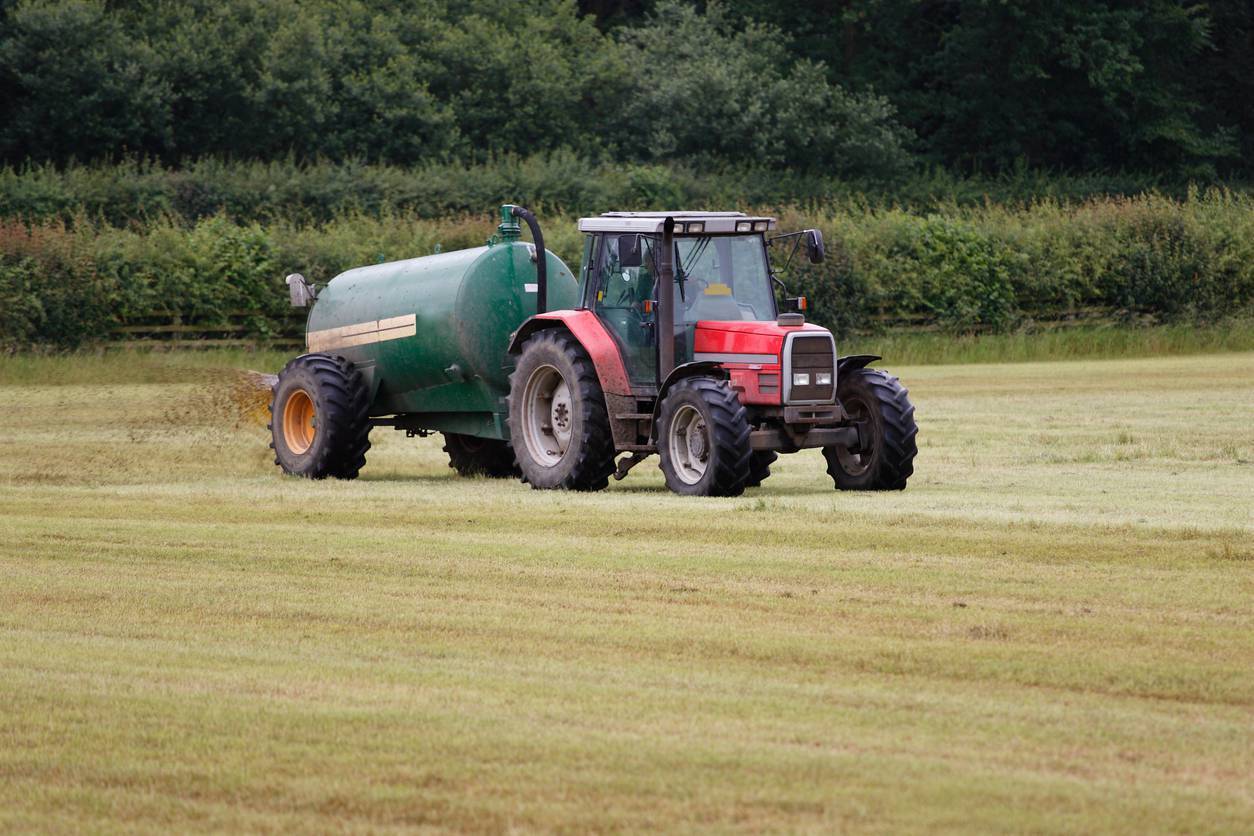
A common misconception is that all farms with little or no livestock can import nutrients, but this is not necessarily the case, a Teagasc adviser has warned.
Farmers interested in importing slurry, in order to minimise fertiliser costs, are advised by Teagasc to complete a nutrient management plan first to assess their nutrient needs against slurry import rules.
Tom Deane, Teagasc advisor in Enniscorthy, Co Wexford, said there had been increased interest in importing of slurry and farmyard manure as a means of reducing fertiliser input costs.
"There is no shortage of intensive farms looking to export slurry and farmyard manure, typically to lower-stocked farms," he said.
"It is important that farmers have an idea of the maximum amounts they can import, in order to avoid potential cross-compliance breaches as well as environmental concerns.
"This applies to the purchases of concentrates, fertiliser, as well as organic manure imported to the holding in each calendar year."
Mr Deane explained Teagasc's NMP online tool could help with budgeting.
"Information relating to soil sample results, concentrate usage, stock numbers, area being farmed as well as crops, etc, are put into the tool, and it generates a report with the recommended and maximum amounts that can be applied to each field and crop type," he said.
"Fertiliser usage globally has been increasing by about 4% annually. This, along with increased gas prices as well as transportation costs and the war in Ukraine, has led to record prices being paid in 2022.
"Ground limestone is excellent value, due to its cost-to-benefit ratio of €4-€7 for every €1 invested. With a pH lower than 6.3, utilisation of fertilisers applied, as well as nutrients within the soil, is sub-optimal.
"Cattle slurry is valued at €56 per thousand gallons and farmyard manure €19 per tonne. Where this saving is realised is in the reduction in chemical fertiliser required. A nutrient plan will outline the quantities that can be imported onto each holding as well as quantities to be applied in each field.
"A common misconception is that all farms with little or no livestock can import nutrients, but this is not necessarily the case, depending upon stocking rate and fertiliser N and P purchased within the calendar year.
Mr Deane said low-emission slurry spreading was to be encouraged, due to the lower losses of nitrogen from this system.
"There are currently TAMS grant aids available for low-emission slurry spreading (Less) equipment. However, these are being phased out, as Less becomes mandatory.
"It is currently mandatory for derogation farmers as well as those stocked over 170kg N/Ha. I would encourage farmers considering this to look at placing an order and applying for TAMS grant aid sooner rather than later, as the waiting times on machines ordered is currently six-12 months plus."