Farm Finance: Tackle the root cause of inflation
The ECB is misguided in its assumptions that increasing interest rates will have an impact on reducing inflation rates by reducing demand for food or fuel.
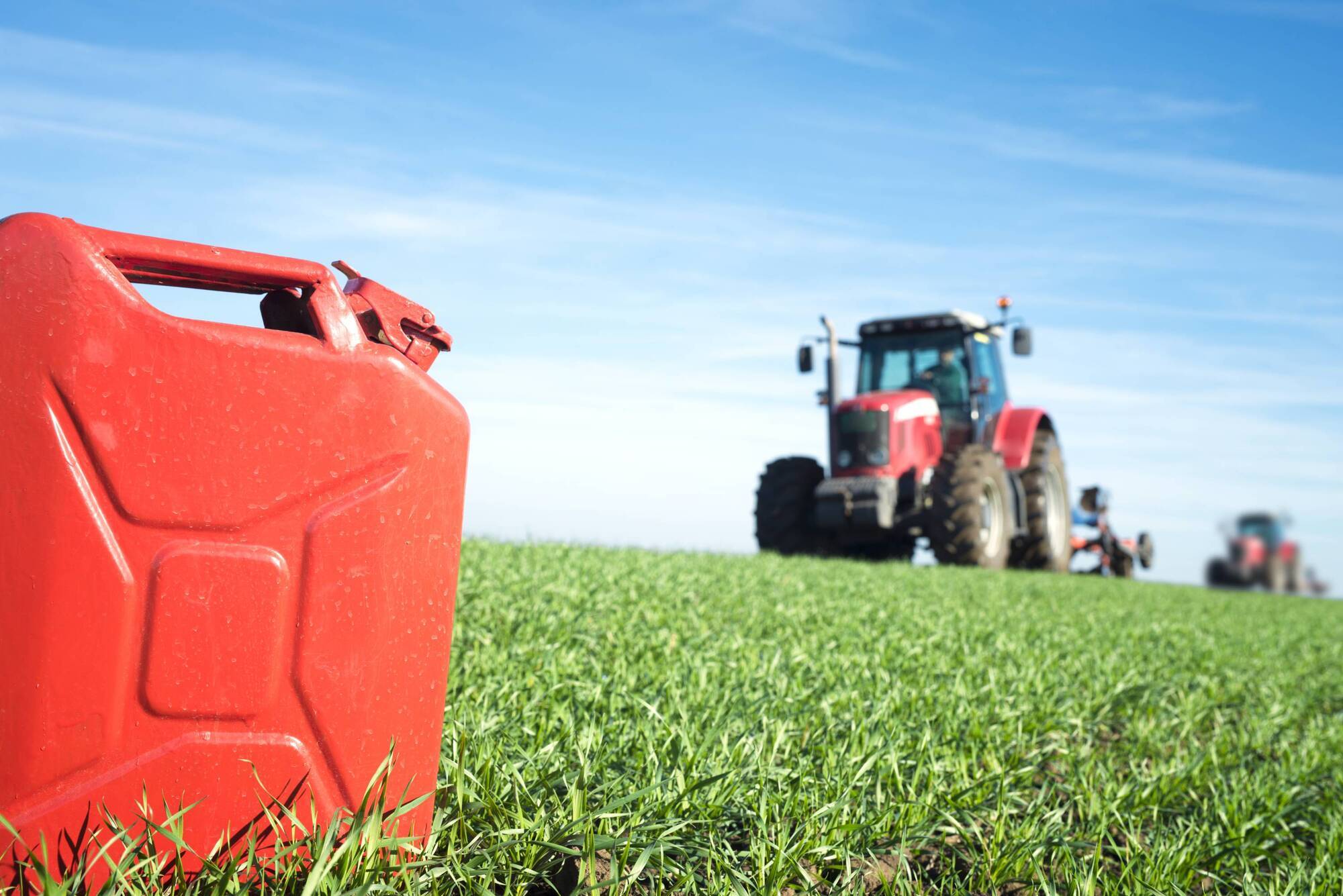
The surge in fuel prices over the past fortnight has yet to feed into the inflation figures, meaning the inflation rate is likely to spike higher. Meanwhile, the medium-term effect of increased fuel prices on production and transport will continue to feed into increased prices for goods over the medium term.
These words formed part of this column in mid-March, when inflation reached a 20-year high, but are even more relevant now than they were three months ago as inflation reaches a 38-year high of 7.8%.
Inflation is good for neither businesses nor consumers; economies work best in stable environments.
Knowing the cost base, the sales price that is acceptable to customers, and by deduction, the expected profits, lead to good business decisions.
When financial institutions are examining business proposals, the capacity of the business to maintain cash flow and profitability as interest rates rise is commonly referred to as ‘stress testing’.
Already, the Governing Council has publicly stated their intention to raise the key ECB interest rates by 25 basis points at its July monetary policy meeting; this translates into lay man’s terms as a.
The Governing Council of the ECB confirmed it will "make sure that inflation returns to its 2% target over the medium term" this is against a backdrop of in 2022 before it is projected to decline to 3.5% in 2023 and 2.1% in 2024.
The other important indicators came in the following statement: “Looking further ahead, the Governing Council expects to raise the key ECB interest rates again in September.
“The calibration of this rate increase will depend on the updated medium-term inflation outlook. If the medium-term inflation outlook persists or deteriorates, a larger increment will be appropriate at the September meeting.
“In line with the Governing Council’s commitment to its 2% medium-term target, the pace at which the Governing Council adjusts its monetary policy will depend on the incoming data and how it assesses inflation to develop in the medium term.”
As such, the tone from the ECB is that there will be a series of rate hikes, starting in July, rising incrementally but in a sustained way and rising at a relatively higher rate should inflation not come into check, in line with their expectations.
Many commentators are expecting over the space of the next two years.
Every one of us has experienced the increase in costs of running a household be it electricity, heating oil, food, diesel, petrol or gas costs.
Household budgets will be stretched even further when interest rate hikes start causing mortgage payments, loan payments and credit card charges to increase.
The economic reality is that demand for fuel (be it heating oil or diesel/petrol for the car) is very price inelastic, and the same can be said for food.
This means that almost regardless of the eye-watering price of fuel, most journeys will still be taken and the quantity of food purchased will remain fairly constant.
The ECB is misguided in its assumptions that increasing interest rates will have an impact on reducing inflation rates by reducing demand for food or fuel. The inflation experienced in fuel is almost entirely outside the control of ordinary consumers.
As farmers, in common with our EU counterparts, we are collectively concerned about the cost and availability of fertiliser for 2023.
Knowing that current gas prices are at hugely inflated levels compared to historic positions and knowing that fertiliser production is significantly curtailed, and that the capacity to import fertiliser from east of the EU will be non-existent, these factors are creating an environment where farmers are slow to put their business into an exposed position of being over-reliant on fertiliser and bought-in feed. We see this first hand in the milk market.
The EU Milk Market Observatory shows milk production down 1% for the first three months of this year despite record sales prices.
Read More
Similarly, at home in Ireland, milk production for April 2022 continues to track behind 2021 levels according to data published by the CSO.
If the EU wants to seriously tackle inflation without throwing EU countries into recession, interest rate hikes must be tempered whilst the underlying causes of inflation, such as high energy costs and the factors causing speculation in the energy market feeding into food inflation, should be addressed.
Just what would happen to food markets if the EU guaranteed fertiliser would be available for €450 per tonne for 2023?
- Kieran Coughlan is a chartered tax adviser, Coughlan Accounting & Taxation Services Ltd