Farmer fury over personalised herd TB risk letters from Department
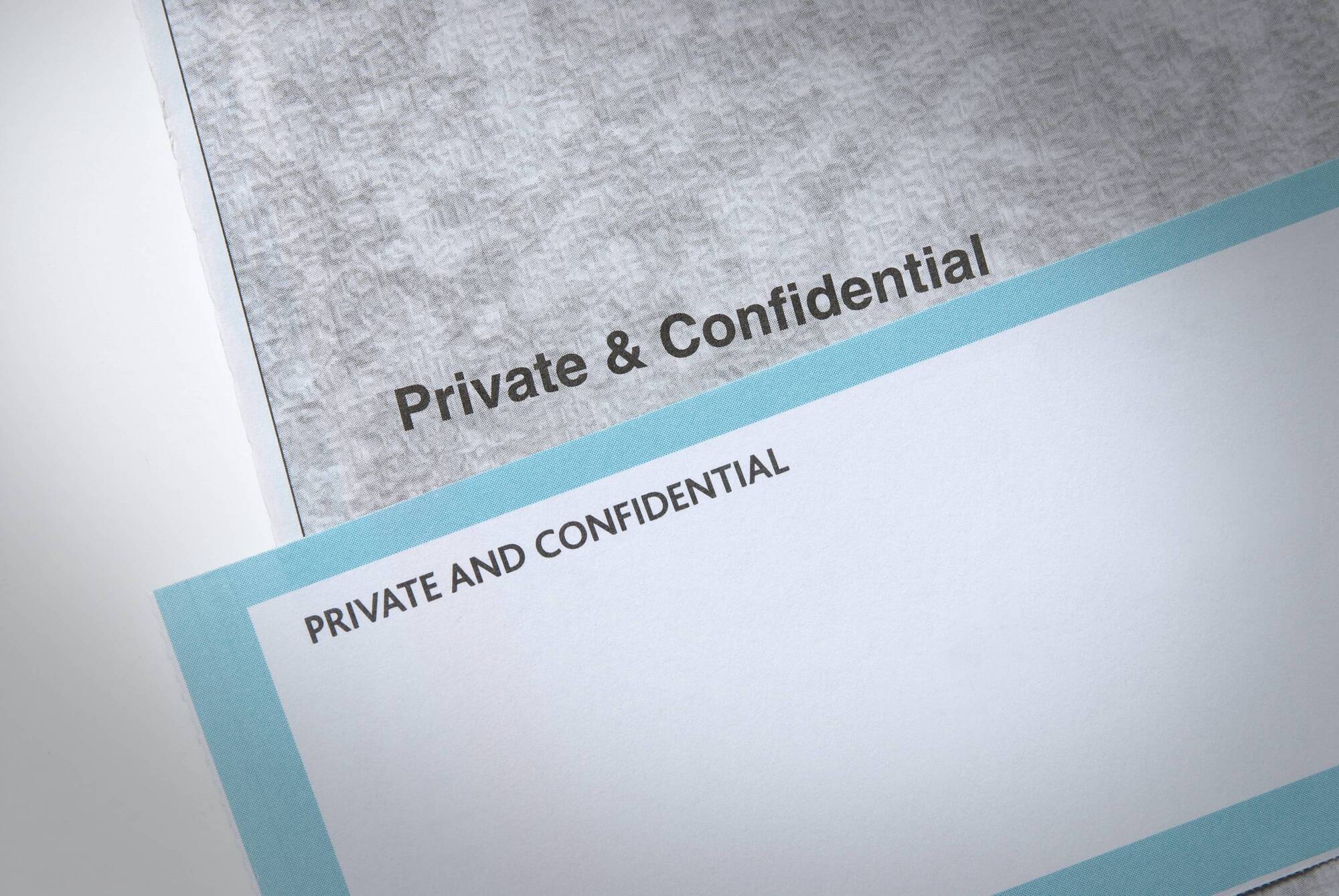
Personalised herd test history reports sent to farmers to help them reduce the risk of bovine TB have enraged IFA and ICSA.
Herd report letters sent to farmers to help them reduce the risk of bovine TB have backfired, with farmers saying they are furious. The reports offer herd-specific advice on how to reduce the risk of TB.
However, IFA Animal Health Chairman Pat Farrell said the letters are “a ridiculous and weak response” to the dramatic deterioration in TB levels.

He said failure to have meaningful engagement with farmers is one of the failings of the Department in their TB management.
The deterioration in relations between farmers and the Department comes as reduced EU funding for the TB eradication scheme increases the pressure for better results.
It is feared the EU could pull its funding completely in 2021 for bovine TB (bTB) eradication in Ireland, which cost €92 million in 2019.
The 2020 cost is likely to rise, in line with rising incidence of the disease, but the maximum contribution expected from the EU for 2020 is €5.4m, dependent on the Department coming up with a plan for additional, successful eradication measures.
The EU’s contribution has fallen from €12.7m in 2014.
The eradication scheme, in place since the 1950s, has been hit by rising incidence of the disease since 2016.
In 2019, the €92m was covered by €50m from the state, farmers paying €35m, and the EU contributed €7m.
IFA Animal Health Chairman Pat Farrell said the rising bTB level is due to ineffective wildlife control.
He called for identification of all badger setts, followed by capture to reduce the density of badgers until they are no longer a TB threat.
“The programme must also incorporate deer, where associated with breakdowns.”
Mr Farrell called for thorough investigations of all TB outbreaks to determine the source of infection, followed by removal of the source. He said farmers must be fully supported to offset bTB income loss and disturbance.
The IFA Animal Health Chairman said farmers do not accept the “misleading narrative put forward by the Department as to the contributing factors to the current TB situation”, and “our members are rightly questioning why they should continue to fund a programme which continually ignores the impact of TB on our farms, doesn’t provide full and fair financial support, and fails to implement an effective wildlife programme”.
Irish Cattle and Sheep Farmers’ Association’s Animal Health and Welfare chairman Hugh Farrell said issuing TB herd history risk statement and reports to farmers is unacceptable.
He said it will lead to devaluation of herds because farmers can identify the risk category of herds they buy cattle from, although no names are used.
“The Department may well have to answer serious questions around GDPR,” said the ICSA official.
However, the DAFM says herds risk data is used in line with data protection regulations.
Farmers were told in the letters, “If you bring unsold animals back from the mart, you cannot consider your herd a closed herd.”
The ICSA official said, “We have not seen any scientific research to underpin this. Worse, it will be seen as an assault on the mart trade.”
Mr Farrell also queried going back to ten years of TB history.
“It is extremely dubious to suggest that an incidence of TB ten years ago has any relevance to a herd today.”
Over 60% of herds in the country are clear of TB for 10 years or more.
“ICSA is frustrated by the point-blank refusal to take the role of wild deer seriously and the incremental moves towards badger vaccination rather than targeted culling.”
The Department has also commissioned an independent review to ensure farmers get accurate market values for reactor animals; and an independent cost-benefit analysis of the bTB programme to inform development of sustainable funding.
It has continued to fund independent scientific research into inter-species TB transmission; engaged with the ESRI to research behaviours relating to the programme, and rolled out high impact plans in TB problem areas, including Monaghan, Cavan and Clare.
It has sanctioned 16 extra TB eradication appointments at a cost of €1m per annum.