New food industry installations must comply with new requirements to lower environmental impact
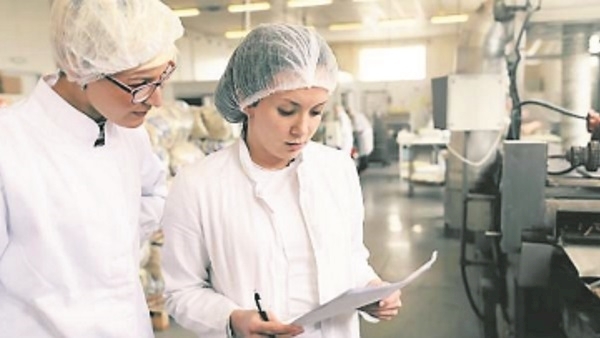
Nearly 2,800 food, drink and milk plants across the EU have been given four years to comply with new standards to lower their environmental impact.
The standards provide national authorities with the technical basis for setting permit conditions for industrial installations.
Their aims include reduction of emissions, noise and odour, waste, and water consumption.
Prevention and reduction of the use of harmful substances, and a requirement for refrigerants without ozone depletion potential and with a low global warming potential, are included.
New installations must comply immediately with the new requirements.
The new standards are part of the EU’s Industrial Emissions Directive framework for regulating about 50,000 installations across the EU.
The European Commission recently adopted these revised Best Available Techniques (BAT) standards for food, drink and milk industries, after the positive vote of the representatives of the EU member states in the Industrial Emissions Directive (IED) Article 75 Committee.
The BAT conclusions for the food, drink and milk industries are the 16th of a series of Commission Implementing Decisions adopted under the IED.
EU sources say the new standards for emissions, monitoring and efficiency will help national authorities to lower the environmental impact of the food, drink and milk sector in the EU, which has around 290,000 companies and more than four million jobs.
They also play an important role in achieving EU environmental policy goals, such as reducing emissions to water and to air, and contribute to the circular economy by increasing resource efficiency.
They include 19 environmental performance levels for energy consumption and 15 levels for waste water discharge for animal feed, brewing, dairies, fruit and vegetables, grain milling, meat processing, oilseed processing and vegetable oil refining, soft drinks and nectar/juice made from processed fruit and vegetables, starch production, and sugar manufacturing.
The European Integrated Pollution Prevention and Control Bureau is currently reviewing or drawing up new standards for other sectors, including the slaughterhouse and animal by-products sector.