Farmers remain the most trusted people in the food chain
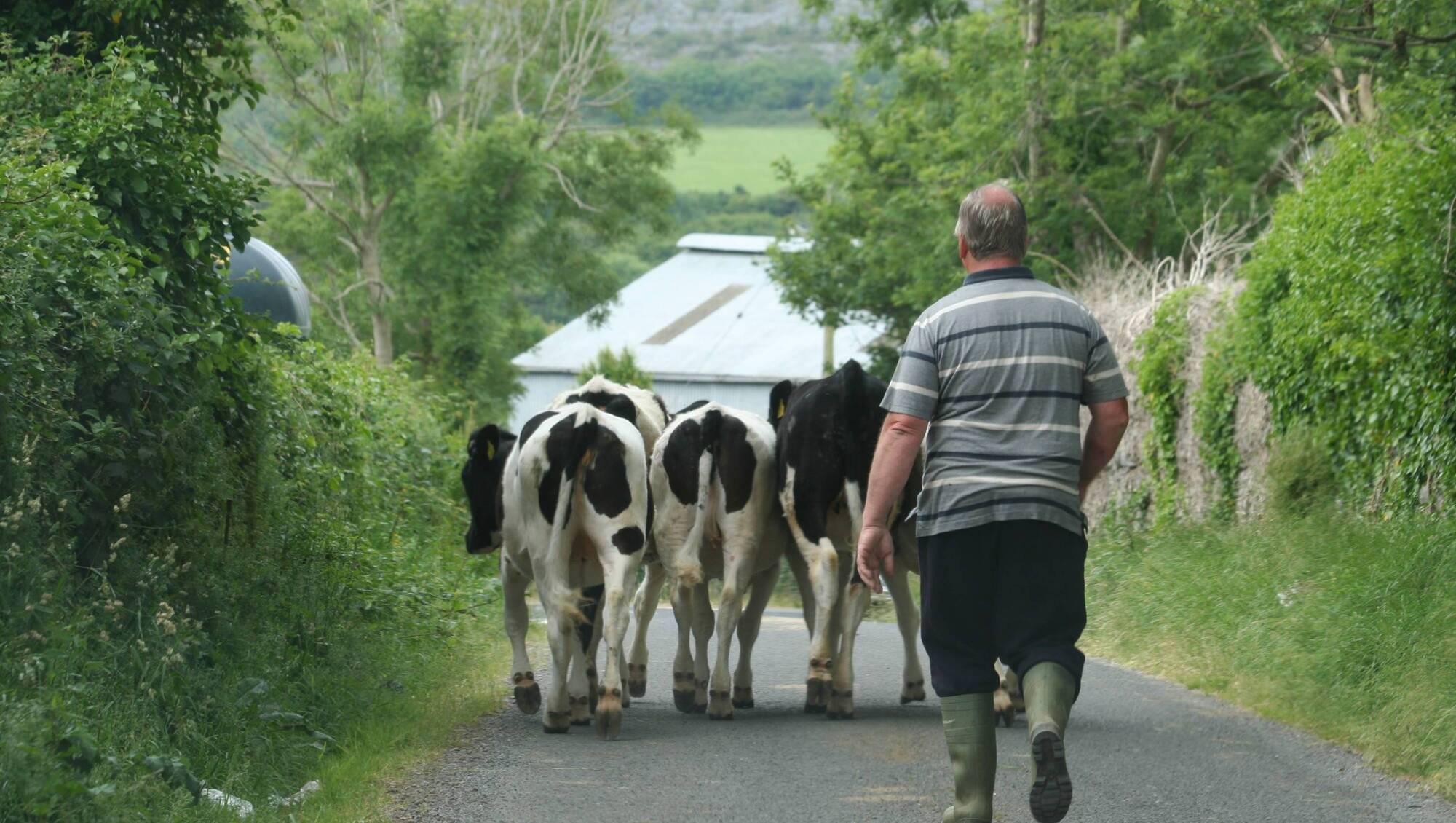
Trust in farmers has been consistent between 65% and 68% in the last five years. File picture
Farmers remain the most trusted people in the food chain, with 68% of Europeans trusting them.
Trust in farmers has been consistent between 65% and 68% in the last five years of the EIT Food’s Consumer Observatory annual TrustTracker survey.
In contrast, only 46% to 49% trust food manufacturers, and 50% to 54% trust retailers.
Only 45% to 48% of consumers put their trust in food system authorities, and only 48% to 53% said they trusted restaurants and caterers, over the past five years.
For the EIT Food TrustTracker study, around 20,000 consumers were surveyed annually across 18 European countries (Belgium, Czechia, Denmark, Finland, France, Germany, Greece, Ireland, Italy, The Netherlands, Poland, Portugal, Romania, Spain, Switzerland, Turkey, Israel and the UK).
The latest results come from a survey conducted in July and August, 2025.
EIT Food, co-funded by the EU, has three aims: a net zero food system, healthier lives through food, and reducing risk, for a fair and resilient food system.
Read More
Trust among consumers is measured because consumers who trust the people and institutions behind the food system are more likely to adopt the ground-breaking innovations which the EU says are needed for a healthier and more sustainable European diet.
The survey in 2025 revealed that only 36% of consumers see the food available to them as sustainable.
The survey uses three trust determinants, and farmers score significantly higher than the overall average, for all three.
The score for farmer “competence” has been 67%–69%, versus a 53% average for all in the food chain.
The score for “care” by farmers is 54–55%, compared to a 44% average.
For “openness”, farmers are at 56–57%, again outperforming the average (44%).
The overall EIT Food Consumer Observatory conclusion on food innovation is that openness to it is growing, but only slowly.
Overall openness to innovative food products increased slightly from 28% in 2024 to 31% in 2025. Younger consumers are the most open to innovation. But willingness to try specific technologies, including precision-fermented dairy, cultivated meat and insects as a source of protein, declined between 2024 and 2025.
The research revealed that health is the primary driver of food choices, while sustainability plays a secondary role. Although many consumers want to adopt healthier and more sustainable diets, affordability pressures and entrenched habits continue to shape what people actually eat.
Among consumers who trust the food system, 38% are open to innovation. Among those with low trust, that figure falls to just 6%.
“In other words, having a great innovation may not be enough. Consumers need to believe in it too”, said the authors of the latest report.