Q&A: The more Europe exports, the more jobs it can create
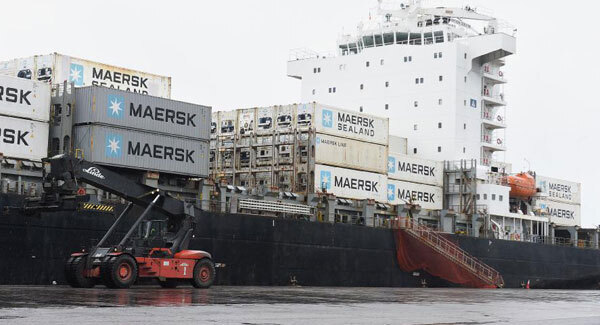
The EU has published texts of the EU-Mercosur trade agreement.
Included is the following questions and answers presentation which will be reproduced here over the coming weeks.
Mercosur is a big market for EU exports, and it was until now the only major trading partner in Latin America with which the EU does not have a preferential trade agreement.
To the four countries, EU firms exported €45 billion of goods (in 2018), and €23 billion of services (in 2017).
Mercosur’s economies are highly protected, and European firms face many trade barriers when exporting there, which makes it hard for them to compete under fair conditions.
These include high import duties, burdensome procedures, and technical regulations and standards which differ from international standards.
So there is huge potential for EU firms to export even more to this large market of over 260 million.
Securing an agreement with the Mercosur countries allows us to extend preferential access to EU exporters still further, and strengthens our political ties with all Latin American countries.
The more Europe exports, the more jobs it can safeguard and create.
The EU’s trade agreement with Mercosur will:
- Remove trade barriers and make it easier for EU firms to sell goods and services to Mercosur, and to invest.
- Help the EU and Mercosur shape global trade rules in line with highest EU standards.
- Send a powerful signal to the world in favour of rules-based trade, and that two of its biggest economic blocs reject protectionism.
- And further integrate value chains between our two regions, thereby helping industries on both sides stay competitive on the global market.
- Project our values via detailed obligations on trade and sustainable development, including climate change and labour.

Mercosur is the world’s fifth largest economy outside the EU.
With a population of over 260 million, its annual output is over €2.2 trillion.
EU firms export over €45bn in goods and €23bn in services to Mercosur.
More than 855,000 jobs in the EU relate to exports to Brazil alone. Over 60,000 EU companies are already exporting there.
EU companies are also major investors in Mercosur, and Mercosur companies are increasingly investing in the EU. Companies from Mercosur countries employ more than 30,000 people in the EU.
Yet, both exporters and potential investors face significant barriers to trading in this important market. EU firms could increase exports to and invest more in Mercosur, if it were easier to do so.
Over 20% of Mercosur’s trade is with the EU, making it the region’s most important trading partner.
The EU is also the largest foreign investor in the region.
The Mercosur market is large, but highly protected.
European firms often find it difficult to export there, due to:
- high Mercosur tariffs on most products, such as chemicals, pharmaceuticals, machinery, textiles, cars, information and communications technology (ICT) equipment, chocolate, whisky and other spirits.
- The cost of meeting
- Mercosur’s rules and regulations, which often differ from international standards.
- Unnecessarily complex procedures to prove that EU products meet Mercosur’s technical requirements or standards for food safety or animal and plant health.
- Limited access for EU businesses and an unequal playing field in key service
- Industries such as financial services, postal and courier services, telecommunications, and transport. preference given to domestic firms and goods over foreign firms and goods in government contracts.
- Lack of easy access to information on how to do business in Mercosur countries. This hits smaller companies especially hard.
- The EU wants the trade agreement with Mercosur to tackle unnecessary and discriminatory obstacles to European exports, so that European firms can sell more goods and services to Mercosur.