Oliver Moore: Clear alternatives to glyphosate
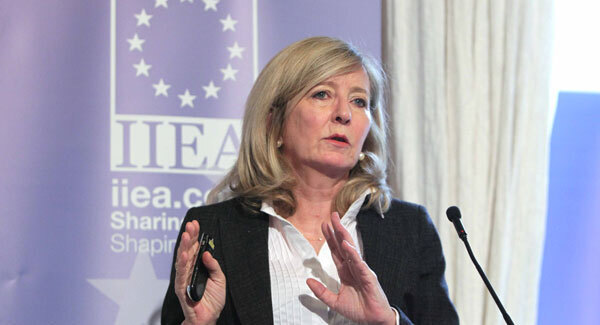
Last week, I spoke at an event in Brussels on a European Citizens Initiative (ECI) to ban glyphosate.
Oliver Moore: Clear alternatives to glyphosate

An ECI is an invitation to the European Commission to propose legislation. One million signatures are required, and they must come from at least seven of the 28 states.

There are already over 650,000 for this Greenpeace initiative, which aims to not only ban glyphosate, but to reform the approvals process at EU level and to phase out pesticides.

Fellow speakers were: Franziska Achterberg (EU food policy director Greenpeace); Michael Fleuh (head of unit of the pesticides and biocides unit, DG Health and Food Safety); Graeme Taylor (director of public affairs, the European Crop Protection Association) and Oana Neagu (director COPA-COGECA).

For a full outline of what the others said, see arc2020.eu, which I edit. Here are my main points:

Glyphosate is non-selective — it kills all plants. It also kills bacteria, algae and fungi, as it’s antimicrobial. We need bacteria, algae and fungi working together for optimal soil health.

According to UK charity Buglife, peer-reviewed publications revealed significant negative impacts in at least 15 taxonomic groups, from ground beetles to earthworms to spiders. It also found six freshwater ecosystems negatively impacted.

Indeed a recent ECHA — European Chemicals Agency — opinion said glyphosate is “toxic to aquatic life with long lasting effects”. Biodiversity loss is happening 1,000-10,000 times faster than natural extinction rate, according to the World Wildlife Fund, a rate not seen since the dinosaur extinctions.

Regulatory procedures do not serve the citizen well. There is a lack of long-term studies looking at sub-lethal effects due to repeated exposure. Research into co-formulants (other ingredients in Roundup) is rare, but worrying.

There are synergies within and between products, so the exposure of farmers and nature to an array of pesticides and co-formulants is dizzying — yet understudied. Indeed almost half the cases of pesticide drift in the largest ever study of same shows “applicator carelessness” as the cause.

A number of biological, physical and mechanical techniques of dealing with weeds both exist and need better R&D supports via CAP.

These include appropriate crop rotations, stale bed techniques, mulching, avoiding bare soil in plantings, shallow ploughing, use of rotary hoe later in season, thermal treatment and a range of biological controls, including the introduction of predators

The EU’s methodological approach for approval means significant peer-reviewed findings are diluted by industry-funded private studies not of the same standard.

Ombudsman Emily O’Reilly has described the EFSA approvals processes as “maladministration” as approval was given to substances “before it gets all of the data necessary to support that decision”.

Rather than an immediate ban, a 7-10 year phase out of glyphosate, beginning with IPM (integrated pest management) would be sensible. In IPM, pesticides and herbicides are still a last resort. This transitioning towards agroecology would only progress if and when evidence suggested it was working.

Seven to ten years: Research suggests this would be needed for the functional biodiversity of agroecological systems to optimise. That’s above and below ground ecology working for farming, from bees to bacteria. The yield gap would shorten in this 7-10 year period, as the soil quality improves in the agroecological system.

Farmers would need compensation for any yield lost in the interim by CAP supports — and that’s what “public goods for public money” means. Better soil, more biodiversity, climate change resilience are public goods.

Farmer control over costs would increase as fewer external inputs are used

Transitioning to agroecology has the potential to create more rural, diversified employment as the Falkenberg report — presented at the Cork 2 Rural Development event — points out. This would help reverse the rural and farming exodus.

More in this section

Farming

Newsletter

Stay ahead of the season. Sign up for insights, expert advice and stories shaping Irish agriculture.

Cookie Policy Privacy Policy Brand Safety FAQ Help Contact Us Terms and Conditions

© Examiner Echo Group Limited