Kieran Coughlan: Sugar tax is a not-so-obvious boost for the Irish dairy industry in the budget
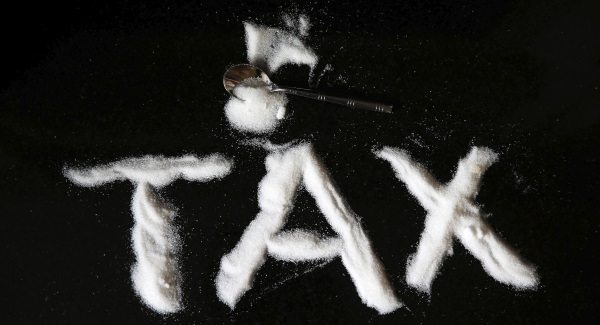
In his budget speech last week, Minister Michael Noonon suggested that the new tax will be introduced effective from April 2018, to coincide with the introduction of a similar tax by our UK neighbours.
The UK is expected to introduce a two-tiered regime, with a higher charge for drinks with a sugar content of more than 8%, and a lesser charge for drinks between 5% and 8%, with the charges expected to be around 24p and 18p per litre respectively.
The expected levy to be imposed by Ireland was not revealed.
In the UK, there are indications that the flavoured milk industry may get a pass.
Because they contain calcium and other nutrients that are vital for a healthy diet, drinks with a high milk content will be exempt from the levy, even where such drink also contain added sugars.
Hopefully, a sensible approach will likewise be taken here.
In the meantime, a consultation process is underway, between now and January 3, 2017, to allow industry stakeholders to make submissions on how the new tax is to be administered and structured.
Researchers have shifted away from the blanket anti-fat movement of the 1990s, with dieticians now realising how “good” fats, such as those in butter, can have a positive impact on our health, by reducing cholesterol.
The cover story of Time magazine, on June 23, 2014 declared that scientists got it wrong, and we should eat butter.
Sugar, on the other hand, is getting a raft of bad press, being linked to diabetes, cancer, obesity, heart disease, dental problems and fatty liver disease.
So, if the war on fats is over, the war on sugar has just begun.
From an Irish agri-industry perspective, this offence on sugar offers us a unique opportunity to push our healthy offerings to the forefront.
Milk is perhaps the world’s most original super food, and is hugely under-rated by consumers. Milk is the antithesis of sugary drinks.
“Safefood”, the body charged with promoting awareness of food safety and nutrition, recommends water and milk as being the two best choices for drinks during the day.
Studies have linked milk and dairy consumption with a reduced risk for cardiovascular disease.
Consuming milk can reduce high levels of bad cholesterol in the blood, and increase levels of good cholesterol.
Persons who consume milk and dairy foods are likely to be slimmer than those who do not, thanks to the conjugated linoleic acids found in milk.
Meanwhile, high milk consumption has been linked with reduced incidence of certain cancers.
Milk also contains natural minerals, vitamins and good fats.
In addition to milk, our dairy industry has been branching out of late into the “health drinks” markets, with big players such as Carbery with products like Optipep and Kinetica.
Also in the market is Glanbia with its products such as Optimum Nutrition, ThinkThin, and other brands.
Apart from the sports nutrition offerings, there is an increasing number of variants of the traditional milk offering, such as high protein milk, fortified milk, and lower fat options.
An interesting product called Lifeway Low Fat Kefir milk, produced by Clona Dairies in West Cork, was unveiled at the Ploughing Championships.
It’s best described as a cross between a smoothie and a yogurt drink‘, with the benefit of 10 added cultures.
Offerings such as these give the Irish agri-food market a real opportunity to grab a share of the convenience drink market.
The addition of a sugar tax will undoubtedly hurt those within the sector, but maybe more important than the application of tax itself, the strong message against sugar-laced drinks might cause consumers to change habits and move toward milk as a healthy option.








