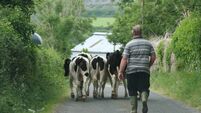
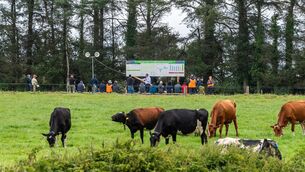
Farmer and beast looking over the gate for grazing to start
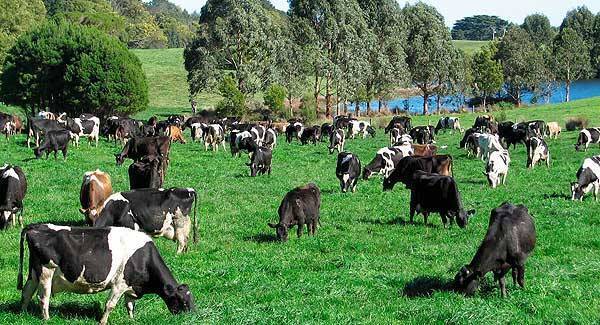
Both farmer and beast are looking out over the gate at this stage, longing for grazing to get going properly.

Farmer and beast looking over the gate for grazing to start

Fresh calved suckler cows will be turned out to grass in the coming weeks, weather permitting.

There is plenty of grass on most farms and it is just a matter of when the conditions will allow cattle to be turned out.


It is a critical time in their production cycle, because increasing grass intake quickly for both cow and calf will improve performance and reduce stress.

At turn out, the most important things to monitor are grass intake and rumen fill. Poor intakes of grass should be supplemented with forages or concentrates.

Now that you have calved the cow, your attention must shift to getting her back in calf.

Most suckler cows will lose some body condition after calving, but this needs to be controlled in order to produce enough quality milk for the calf while also helping her to go back in calf quickly.

Grass quality and supply will determine if you need to supplement cows with additional forage or concentrates.

If you need to supplement suckler cows on grass, then it may be easier to keep them in until there is sufficient grass. Attempting to supplement sucklers outdoors creates a lot of work and could cause damage in paddocks.

Tetany

Suckler cows going down with tetany is very common every spring. Grass is deficient in magnesium and it is worth noting that cows are generally deficient in magnesium well before they go down with tetany.

A magnesium deficiency may result in poor saliva production and subsequently poorer digestion of feed, and lower production levels. Magnesium is a major mineral essential for performance in cattle.

There are many ways to supply sufficient magnesium to cows, some more effective than others!

* High Mag Lick Buckets: probably the most common method of magnesium feeding to suckler cows, and works very well if buckets are always accessible. Some will use a high-mag feed block to supplement grass and prevent tetany.

* Magnesium in water troughs: a popular method, but it may not be as effective in wet weather, when cows drink less from troughs.

* Meal Feeding: some may feed a dairy meal to sucklers during times of tetany risk, particularly if grass is in short supply.

* Dusting paddocks with magnesium: may work very well for some, but I am not convinced that it is the most effective method.

Be sure that you are using the most effective supplementation for your herd before you depend on any single method of tetany protection. Whichever method you choose, stick rigidly to it. The cost of tetany prevention is insignificant compared to losing cows.

Dry Sucklers

As there is plenty of grass around, some may consider turning out dry cows before calving.

This can be risky sbecause it is difficult to control cow condition at grass. It also brings risks of milk fever and held cleanings in older cows, due to high-potassium grass.

It really is a better idea to keep cows housed until calved.

Calf Scour

Getting cows and calf to grass will help reduce the disease risk in calves.

There are a lot of cases of calf scour around the country. The field is a much healthier environment for new born suckler calves, if the weather permits

More in this section

Farming

Newsletter

Stay ahead of the season. Sign up for insights, expert advice and stories shaping Irish agriculture.

Cookie Policy Privacy Policy Brand Safety FAQ Help Contact Us Terms and Conditions

© Examiner Echo Group Limited