Poaching problems as weather hits cow grazing
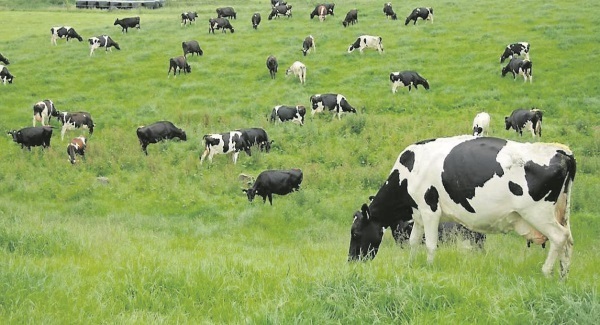
Unseasonal weather has made early grazing difficult for dairy farmers.
Poaching problems as weather hits cow grazing

At the Shinagh demonstration dairy farm in Bandon, Co Cork the management team said cows were getting grass day and night, but there have been days when ground was poached beyond their preferred limits, due to very wet conditions.

This led to cows staying in for the following days, in order to allow ground to firm up and to keep poaching to an acceptable level.

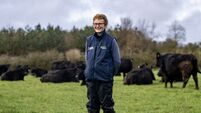
Shinagh staff say it is essential to let the cows out with an appetite and take them back in once they stop grazing, in order to minimise poaching damage.

This means that the cows have to run out of silage during the night, if they are going out after the morning milking.

On wet mornings, they are left standing in the collecting yard until conditions improve, before being allowed out to the paddock.

Shinagh staff applied 34 units of urea per acre on the entire farm including the high grass covers.

Their milk test last week was 4.64% fat, 3.69% protein, 4.86% lactose, 153,000 SCC and 18,000 TBC, with yield at about 20 litres per cow per day, for 3.5 kgs of a 14% coarse ration with minerals and calmag fed to milkers per day, as part of a grass budget plan not to take the farm under 400kg/ha by late March.

Weekly updates are on the www.shinaghdairy.ie  website.

Dairygold Co-op and Teagasc have advised suppliers to graze cows on-off at every opportunity, to meet grazed area targets and encourage regrowth.

In order to start the second rotation by the first week of April, 60% should be grazed by March 17, and 100% by April 7 (these dates can be a week or two later on heavy ground).

Suppliers have been alerted to watch for early warning signs of underfeeding, such as early lactation herd protein falling below 3.1%, or the herd butterfat to protein ratio going above 1.4 to 1 (for example, butterfat of 4.5% and protein of 3.15% - which could indicate onset of ketosis, with the high butterfat coming from the body fat the cow is losing.

Suppliers are advised that first rotation spring grass in drier weather can be 18-19% dry matter, but may be as low as 12% in continuous rain.

x

More in this section

Farming

Newsletter

Keep up-to-date with all the latest developments in Farming with our weekly newsletter.

Cookie Policy Privacy Policy Brand Safety FAQ Help Contact Us Terms and Conditions

© Examiner Echo Group Limited