Joe Sheehy: 93% of cows should show heat in 40 days
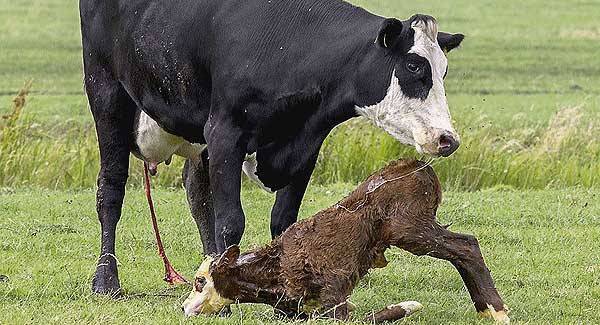
If cows are properly fed and free of problems, 93% should show heat within 40 days of calving.
Joe Sheehy: 93% of cows should show heat in 40 days

Check records regularly and give particular attention to animals within 18 to 21 days of previous heat or service. The strategic use of tail paint colours or other aids will help simplify heat detection. Good observation of cows early in the morning, at mid day and late evening is essential.

Stock bulls can become intermittently infertile in the breeding season, especially if they get lame or suffer any illness. So check bull fertility at the beginning of the season, and keep a close eye on him during the season, check if cows are repeating.

Vasectomised bulls with chin balls are being increasingly used for heat detection, especially in large herds. At least two of these are necessary per 100 cows. Make sure chin balls are full of paint. Vasectomised bulls are generally more active, and are safer in the first year. It is better and safer to change these animals every year, these bulls can become dangerous later. All bulls should be tested free of BVD and other contagious diseases.

There are other aids to heat detection on the market, including some computerised systems which are giving fairly good results.

Difficult calving and twins can reduce fertility as much as 50%, especially without proper veterinary follow-up. Lame and sick cows will not only not show heat, but generally will not cycle. Diseases like ketosis, milk fever, digestive upsets, will have the same effect.

Ensure your herd has a clean bill of health from your vet. Ensure all vaccinations are completed. Don’t wait until serious problems arise. If you have any doubt about disease problems, get your milk tested through your co-op’s herd health service.

Proper nutrition is vitally important for a good breeding performance. Plenty good grass should be the basis, plus supplementary feeding as necessary. Cows which lose less than a quarter of a condition score between calving and breeding are 50% more likely to be in-calf after six weeks of breeding than cows which lost over half a condition score. Therefore, do everything possible to avoid loss of condition in the run up to and during the breeding season.

Records

Record keeping is an essential element of a good breeding programme. Carry a pocket notebook to record everything that is happening on the farm. This applies particularly to factors effecting breeding such as heats, condition score, cows off form or passing dirt, grass supply etc.

Information in the notebook regarding breeding such as calving dates, pre-service heats, service heats and bulls used should be transferred to a wall chart where it can be conveniently checked. Wall charts are available from breeding societies. Some farmers use a computerised system but even with that, a well kept wall chart staring at you several times a day is very useful. Data on the wall charts can be analysed during the year to check breeding performance.

Cows not showing heat, and calved 30 to 40 days, may need veterinary examination or a wash out.

More in this section

Farming

Newsletter

Stay ahead of the season. Sign up for insights, expert advice and stories shaping Irish agriculture.

Cookie Policy Privacy Policy Brand Safety FAQ Help Contact Us Terms and Conditions

© Examiner Echo Group Limited