Department issues PIs next door notices
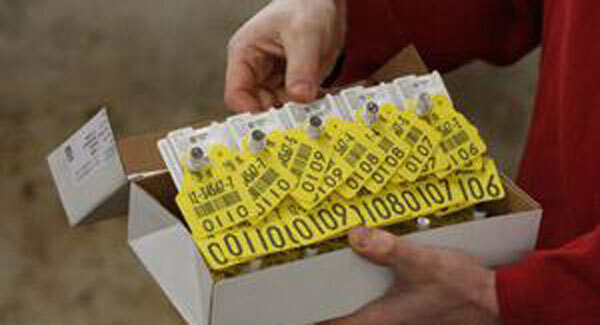
The Department is invoking Section 10 of the Animal Health and Welfare Act 2013, which provides that it may publish that an animal is affected with a disease, and the location of the holding where the infected animal is kept.
According to Animal Health Ireland, it is vital that all possible steps are taken to prevent the exposure of pregnant cattle to BVD virus, creating further PIs to be born in 2016.
In the breeding season, persistently infected calves are created if the calf of a non-immune dam becomes infected with the virus between approximately 30 and 120 days of pregnancy.
The infection can come from PI calves retained on farms, within their own farm and on neighbouring farms, and will retard progress of the national BVD eradication programme.
The objective of the Department of Agriculture in alerting herdowners whose neighbours still have retained PI animals is to allow farmers to review their biosecurity generally and to take measures to protect their herds, including ensuring that boundaries are adequate to prevent nose-to-nose contact; and grazing (particularly of breeding animals) is managed so as to minimise the likelihood of contact.
The Department urges farmers who have not yet disposed of PI calves to do so immediately.
Otherwise, movement of animals from these herds may be restricted by the Department.
Re-tests should be done three weeks after the initial test, during which time the calf should be isolated (if necessary, with the dam, which should also be tested).
Financial supports are provided by the Department for removal of PI animals, of €90 for suckler calves within seven weeks of the initial test (€140 within five weeks), and €50-90 for dairy calves.
.