Tech: Dutch researchers use resistant gene to help potato protect itself against blight
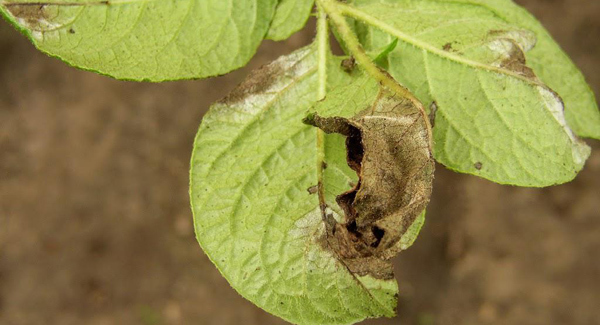
A resistance gene that enhances resistance has been identified in a South American wild relative of cultivated potatoes by the scientists from Wageningen University the Sainsbury Laboratory.
Wageningen University breeding research expert Vivianne Vleeshouwers said: “We identified a gene responsible for a totally new line of defence in wild relatives of potato. We hope this will help us to tackle late blight.”
The gene targets elicitin, a conserved protein with a key biological function, making it less likely that the pathogen will evolve to evade resistance.
Infamous for triggering the Irish famine, Phytophthora infestans, the cause of the world wide devastating potato late blight disease, is still a major threat to crops worldwide.
After a 10-year search, the scientists found a gene of the type they were looking for, which triggers cell death at the site of infection, a powerful plant defence mechanism that restricts the progress of the pathogen.
Transfer of the gene into cultivated potato made it more resistant to several strains of blight. The researchers said these proteins hardly change in time and during species diversification because their role is crucial and their composition has been optimised during earlier evolution.