Dairy can learn volatility lessons from efficient pig sector
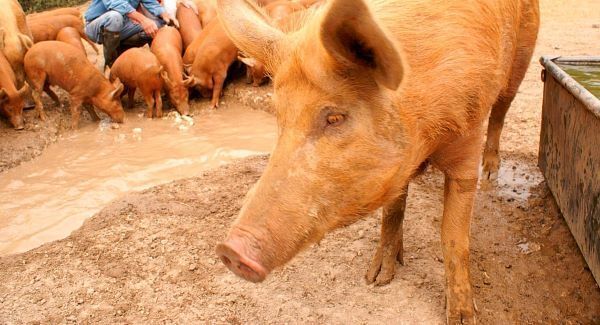
Dairy farmers can learn from the measures the pig sector has used to survive market volatility, says AIB.
In its submission to the Oireachtas joint committee on agriculture, the bank praised pig farmers for controlling feed costs, and the cash buffer they set aside in good years to support them in lean years.
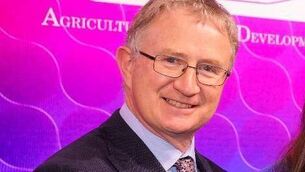
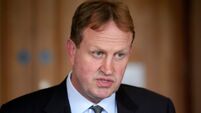
“The pig farming sector has long been exposed to the vagaries of the world market. It receives no market support and experiences a high level of income volatility exacerbated in recent years by feed price fluctuations,” said Ken Burke, AIB’s head of business banking.
“Pig farmers have responded to this volatility by improving production efficiencies on an ongoing basis. We consider volatility to be the new norm and for farmers, managing farm cashflow is now key and requires a planned approach to allow the business withstand both the peaks and troughs of the cycle,” said Mr Burke.
AIB says dairy farmers now face similar challenges. The bank’s Dairy Sector Outlook Report shows 30% of dairy farmers saw milk price volatility as a key challenge in the next five years.
The average milk price for 2014 was about 38 cent per litre, the second highest annual milk price ever paid to Irish farmers. The 2015 milk price is forecast to be on average 26c to 28c per litre. In 2009, the milk price averaged 23c. As EU crisis funds won’t kick in until the price falls to 21c, dairy farmers will be required to manage their own cashflow.
The bank has written in its own quarterly farming newsletter, Agri Matters, and other trade publications about managing farm cashflow through the cycle and planning for income volatility.
“We have begun a programme of proactive engagement with the sector to encourage dairy farmers to make early contact with their bank,” said Ken Burke.
“We are asking affected customers to estimate, as best they can, the likely deficit in their 2015 annual cashflow. Experience has shown us there is no one universal solution at a time like this; instead, there are a number of support measures which we can tailor depending upon the individual circumstances.”