Rising feed and fertiliser costs impact average farm incomes
Teagasc published its preliminary National Farm Survey for 2013 last week.
Rising feed and fertiliser costs impact average farm incomes

The farm survey provides an invaluable insight into what’s happening on the ground across Ireland’s varying farm enterprises.

One of the stand out points from the survey is the rising feed and fertiliser costs arising from the harsh spring leading to the importation of fodder and higher meal usage, with costs rising by 23% on farms last year in the case of meal and by a massive 55% in the case of purchases of hay, straw, silage and other fodder.

For dairy farmers, the higher costs of meal and feed were offset by higher milk prices, up 23% to an average nearing 40 c per litre compared to 32c per litre in 2012.

Dairy family farm income powered ahead to a respectable €64,371 on average in 2013, up over 31% compared to 2012. Over three quarters of dairy farmers had incomes greater than €30,000 per annum. Against the backdrop of a removal of milk quotas, the figures offer a real enticement for farmers currently engaged in other grass based farming enterprises, in the case of cattle rearing farms less than one in seven of these units achieved farm income of greater than €20,000 per annum.

Overall farm incomes remained relatively static, but looking deeper, dairying excelled while other enterprises fell behind. Similar to dairy farmers, cattle farmers also incurred heavy costs associated with additional feed and fertiliser as the battled last year’s record long winter season however unlike dairy farmers, beef farmers were not rewarded with higher output prices and these extra costs eroded profits substantially leaving cattle rearing farms with 22% less income than the previous year.

The fall-off in the number of cattle farmers still receiving REPS payments is compounding the reduction in farm income. The survey points out that cattle farmers are, when single farm payment is excluded, effectively losing money.

Other recent statistics suggest that farmers are waking up to this new reality and many are actively changing farm enterprise in order to preserve their single farm payments intact as a basic level of farm income — the change in enterprise activity is reflected in the higher than average killout of beef cows and the reduction in births to the suckler herd.

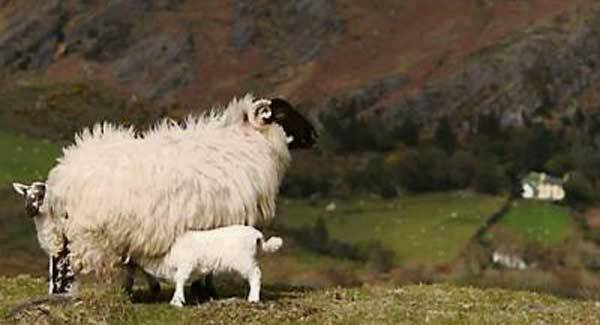
Similarly there is a marked shift away bull beef enterprises with young stock previously earmarked for this type of enterprise receiving very poor demand at marts. Back to the survey, similar to cattle rearing, sheep farmers also suffered substantially in 2013 with farm incomes dropping from €18,243 on average to just €11,160.

The drop in the sheep herd was in this instance a contributing factor to the lowering of farm incomes. The figures for sheep and beef farmers are becoming so paltry it could be said that these farmers are living at a subsistence level.

On tillage farms, the record yields achieved in 2013 were not enough to maintain farm income at 2012 levels.

The record prices in 2012, despite lower yields in that year, actually resulted in farm income of €37,151 on specialist tillage farms in 2012, this had dropped to 29,907 for 2013.

The average size of the tillage farms surveyed was 62 hectares (approx 150 acres), meaning that the average farm income per hectare was 482 per hectare (approx 195 per acre of owned land), straying from the survey momentarily, based on these figures the recent hike in conacre prices are surely not based on any measure of financial appraisal?.

The farm survey offers a wake-up call to all farmers to examine their own individual enterprises — it offers an opportunity to compare your own results with those of your peers — the survey shows the trends of volatility in weather and income, but also the trends of a reducing sheep and suckler herd and the undermining of beef farming industry coinciding with the expiry of REPS.

Many farmers who bear witness first hand to these trends are now left at a cross roads. Are they to continue their current system of farming at all costs (pun intended)? Is it time to exit farming if they can’t afford to change enterprise?

Should they change to “farming from the armchair” at least securing the single farm payment for oneself?

The farm survey highlights that absolute potential for dairying to transform farm incomes, given the massive differential in the profits achievable per acre, reading between the lines of this survey it is a case that other enterprises will simply not be able to compete on the open market.

Chartered tax adviser Kieran Coughlan, Belgooly, Co Cork (086-8678296)

More in this section

Farming

Newsletter

Stay ahead of the season. Sign up for insights, expert advice and stories shaping Irish agriculture.

Cookie Policy Privacy Policy Brand Safety FAQ Help Contact Us Terms and Conditions

© Examiner Echo Group Limited